
Choosing the Right Pump: Types, Benefits, and Limitations
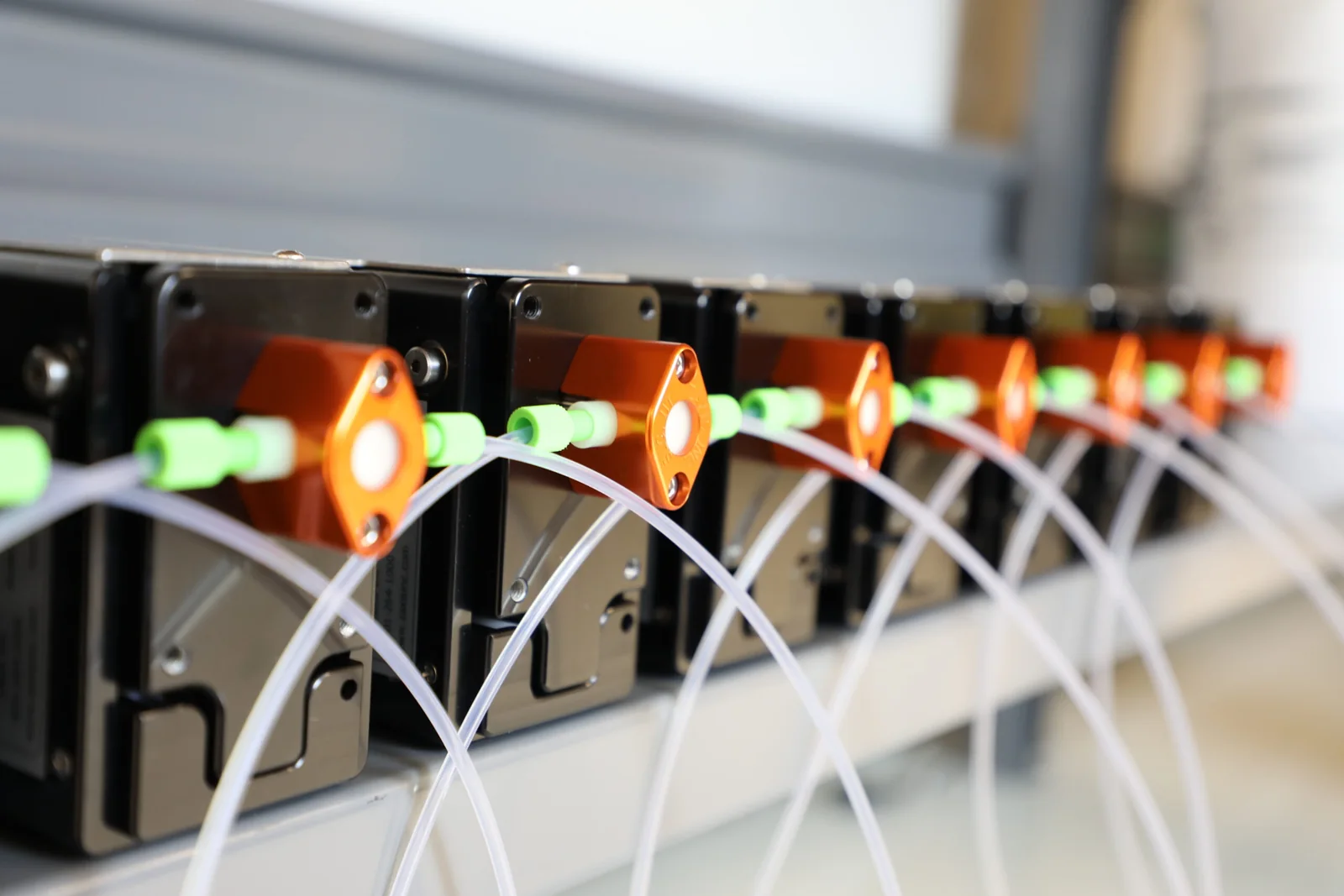
Pumps play a vital role in a wide variety of fluid handling applications—from chemical processing and water treatment to medical devices and food production. Selecting the right type of pump can directly impact efficiency, precision, and long-term maintenance. Below, we explore several common types of pumps, their advantages, and their limitations to help you make the most informed decision for your system.
Valveless Piston Pumps / Rotating & Reciprocating Pumps
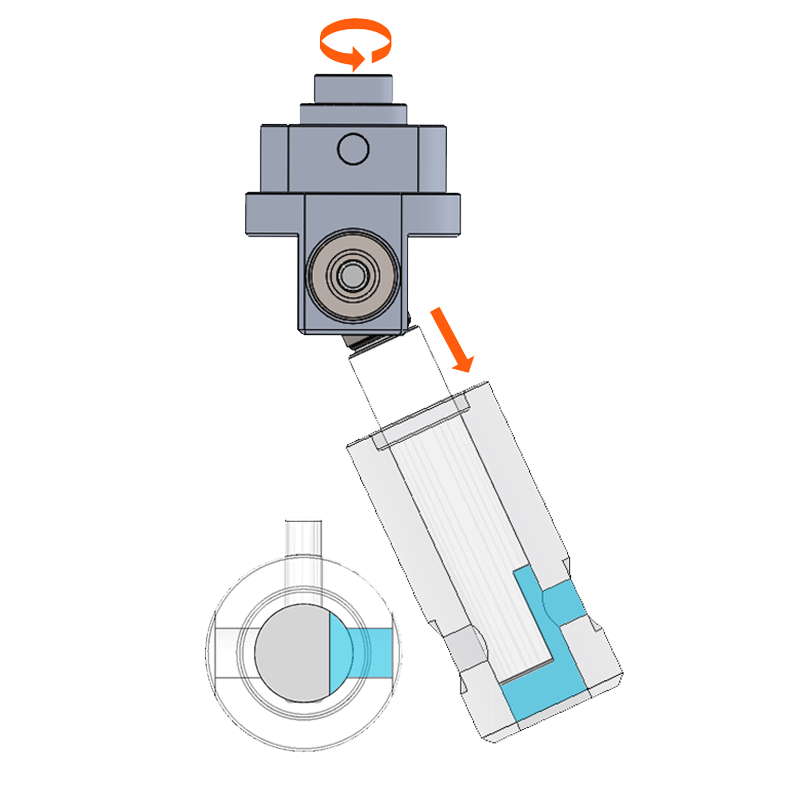
Starting off strong, valveless piston pumps are the pumps that Zaxis specializes in. These advanced pumps combine pumping and valving functions in a single, precision-moving part—eliminating many traditional wear components.
How They Work:A ceramic piston rotates and reciprocates inside a matched ceramic liner, providing both displacement and directional control without valves or packing. Tight clearances allow capillary action to act as a seal, removing the need for traditional sealing mechanisms.
 Advantages:
- Only one moving part—inherently reliable
- No valves or packing, minimizing maintenance
- Can self-prime up to 15 feet, even dry
- Dimensionally stable ceramic components ensure long service life
- High precision metering with factory-calibrated flow ranges
- The process fluid also acts as the seal and lubricant, which may require compatibility checks
- Flush gland is required for air-sensitive fluids
- Flow may be pulsed, depending on configuration
These pumps are ideal for applications requiring high accuracy, low maintenance, and compatibility with air-sensitive or high-purity fluids—such as in medical diagnostics, inkjet printing, or analytical instrumentation.
Packed Plunger and Piston Pumps
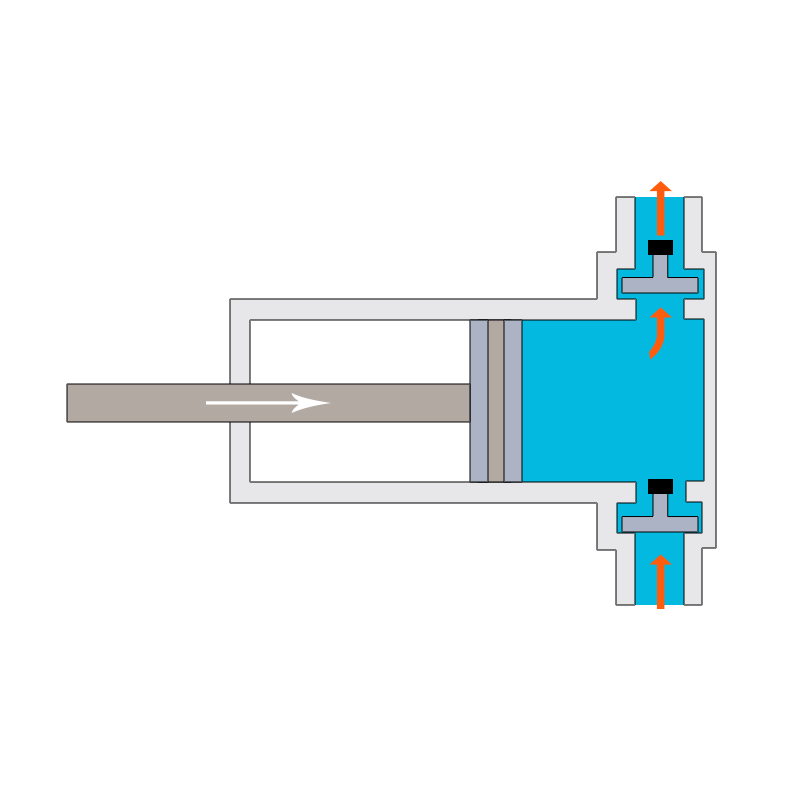
These are traditional reciprocating pumps that use a plunger or piston to push fluid through check valves.
How They Work:A piston or plunger moves back and forth inside a chamber, creating pressure that opens inlet and outlet check valves to move fluid in one direction.
 Advantages:
- Adjustable flow based on stroke length and frequency
- High precision in metering applications
- Self-priming, making them easy to start without pre-filling
- Requires frequent maintenance of check valves and packing seals
- All moving parts are in contact with the fluid, which may lead to wear or contamination
These are ideal for industrial dosing systems where precision and adjustability are key.
Diaphragm Pumps
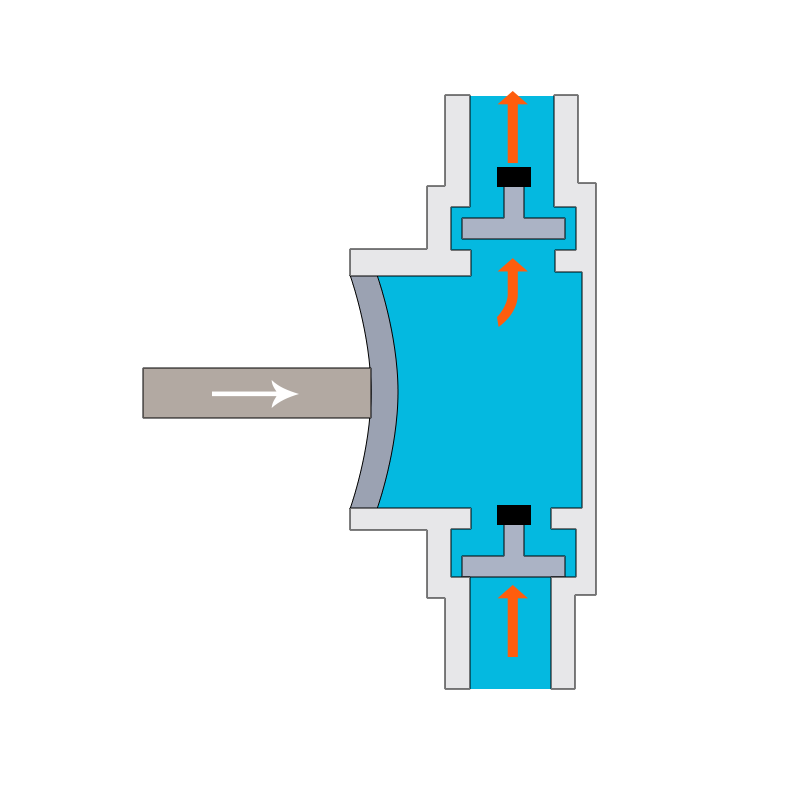
Diaphragm pumps use a flexible membrane to move fluids, also relying on check valves to control flow direction.
How They Work:A diaphragm is pushed and pulled by a mechanical, hydraulic, or pneumatic drive, displacing fluid in a sealed chamber.
 Advantages:
- Adjustable flow rates
- Gas-tight operation prevents leaks of hazardous or volatile substances
- Chemically inert flow path—diaphragm materials can handle aggressive media
- Can run dry without damage
- Routine maintenance of diaphragms and valves
- Typically less precise than piston pumps
- Pulsed flow
- Less effective with high-viscosity fluids
Diaphragm pumps are ideal for chemical handling, environmental sampling, and pharmaceutical transfer applications.
Gear Pumps
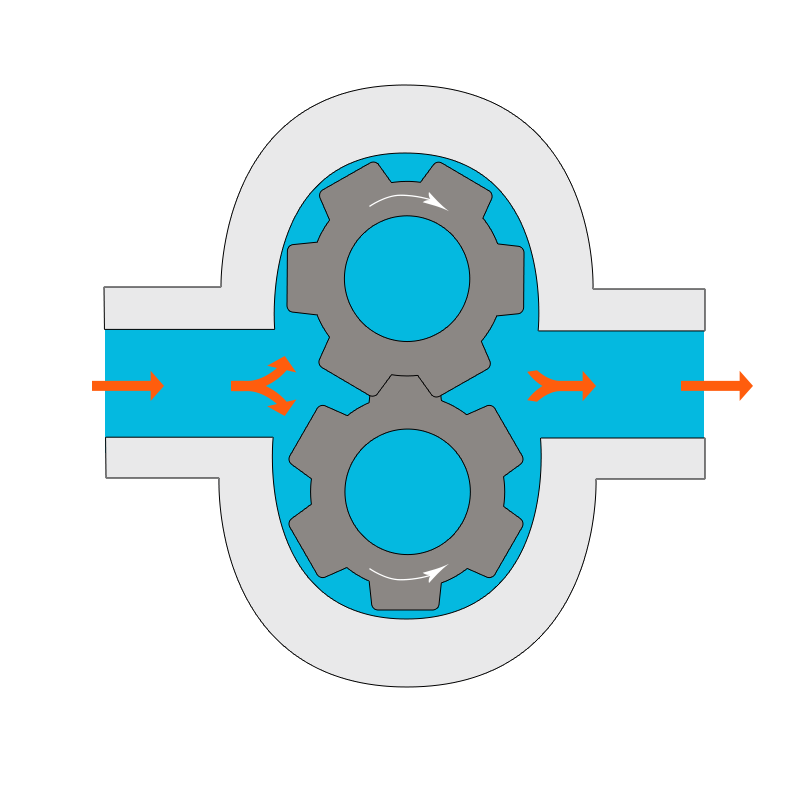
Gear pumps use rotating gears to displace fluid between their teeth, providing a smooth and continuous flow.
How They Work:As the gears rotate, fluid is trapped between gear teeth and the casing and carried from the inlet to the outlet side.
 Advantages:
- Pulseless, steady flow
- Can operate at high pressures (up to 300 psi)
- Magnetically coupled models eliminate the need for shaft seals, reducing leakage risks
- Limited self-priming capabilities
- Particulate contamination can damage gear surfaces
- Less accurate for precision metering
These pumps are ideal for lubrication systems, fuel transfer, and hydraulic applications.
Peristaltic Pumps
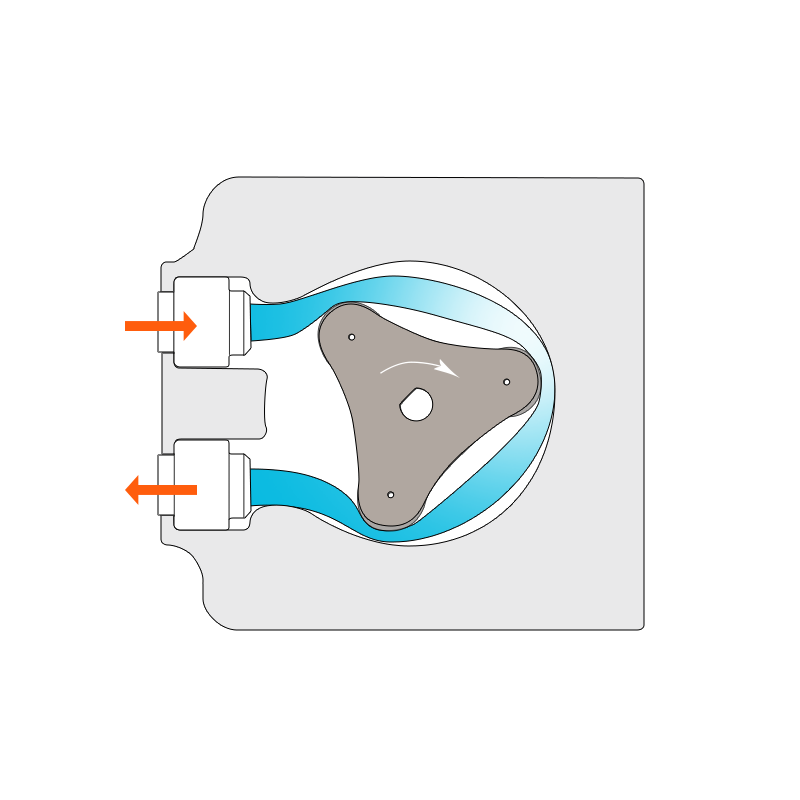
These pumps move fluid by compressing flexible tubing with rollers, much like squeezing toothpaste from a tube.
How They Work:As rollers move along a flexible tube, they push fluid forward. The tube then returns to its original shape, drawing in more fluid.
 Advantages:
- Handles viscous, abrasive, and contaminated fluids
- Low shear force, ideal for sensitive biological fluids
- Can self-prime and run dry without damage
- Minimal maintenance and easy to clean
- Frequent tubing replacement due to wear
- Pulsed flow pattern
- Larger footprint for comparable output
- Less accurate in precise metering
Peristaltic pumps are ideal for biotech, food processing, and wastewater treatment.
Final Thoughts
Each type of pump has its unique advantages and drawbacks. The ideal pump for your application depends on multiple factors: fluid properties, desired flow characteristics, pressure requirements, maintenance expectations, and available space. Understanding how these pumps function, and what they’re best suited for, can significantly enhance system performance and longevity.
Whether you’re designing a new system or troubleshooting an existing one, selecting the right pump is a decision that pays off in both precision and reliability.
Related posts
Talk with a leak testing specialist
Discuss the right test approach for your part and production requirements.
Request a QuoteExplore precision dispensing applications to connect pump selection with reagent, adhesive, automated-system and battery-dosing requirements.