
Water treatment
Water treatment, conditioning and analysis kits use repeatable dispensing for wastewater and chemical mixtures. Extra-large-flow configurations can withstand corrosive or abrasive treatment chemicals and particulates.


Positive Displacement Pumps
Positive-displacement eVmP pumps provide electronically adjustable metering for environmental monitoring, treatment and chemical-feed production.
Environmental manufacturing and field-support processes may require dosing under abrasive, corrosive or variable conditions. The eVmP platform combines ceramic pump components with a digitally controlled, valveless positive-displacement design.
Environmental programs meter chemicals for water conditioning, water and wastewater analysis, adulticide and larvicide products, seed coating, sewage overflow monitoring and soil composition testing as application contexts.
Request for QuoteWater treatment, conditioning and analysis kits need repeatable dispensing for chemical mixtures. Environmental processes can also involve water-treatment chemicals and particulates.
Seed-coating operations meter coating agents that can include pesticides, fungicides, fertilizers and release agents. Accurate dosage supports a controlled coating process.
Water treatment, conditioning and analysis kits use repeatable dispensing for wastewater and chemical mixtures. Extra-large-flow configurations can withstand corrosive or abrasive treatment chemicals and particulates.
Seed coating doses pesticides, fungicides, fertilizers and release agents after treatment. Accurate metering controls the amount applied to each production run.
Sewage overflow monitoring and soil composition testing use controlled chemical dosing in environmental programs. Adulticide and larvicide production also relies on metered chemical additives.
The valveless layout has no external supply or discharge valves, while CIP capability and batch or recipe changeover keep environmental pump work moving.
M, V and VS10 configurations offer stated ranges from microliter dispensing through high-flow metering.
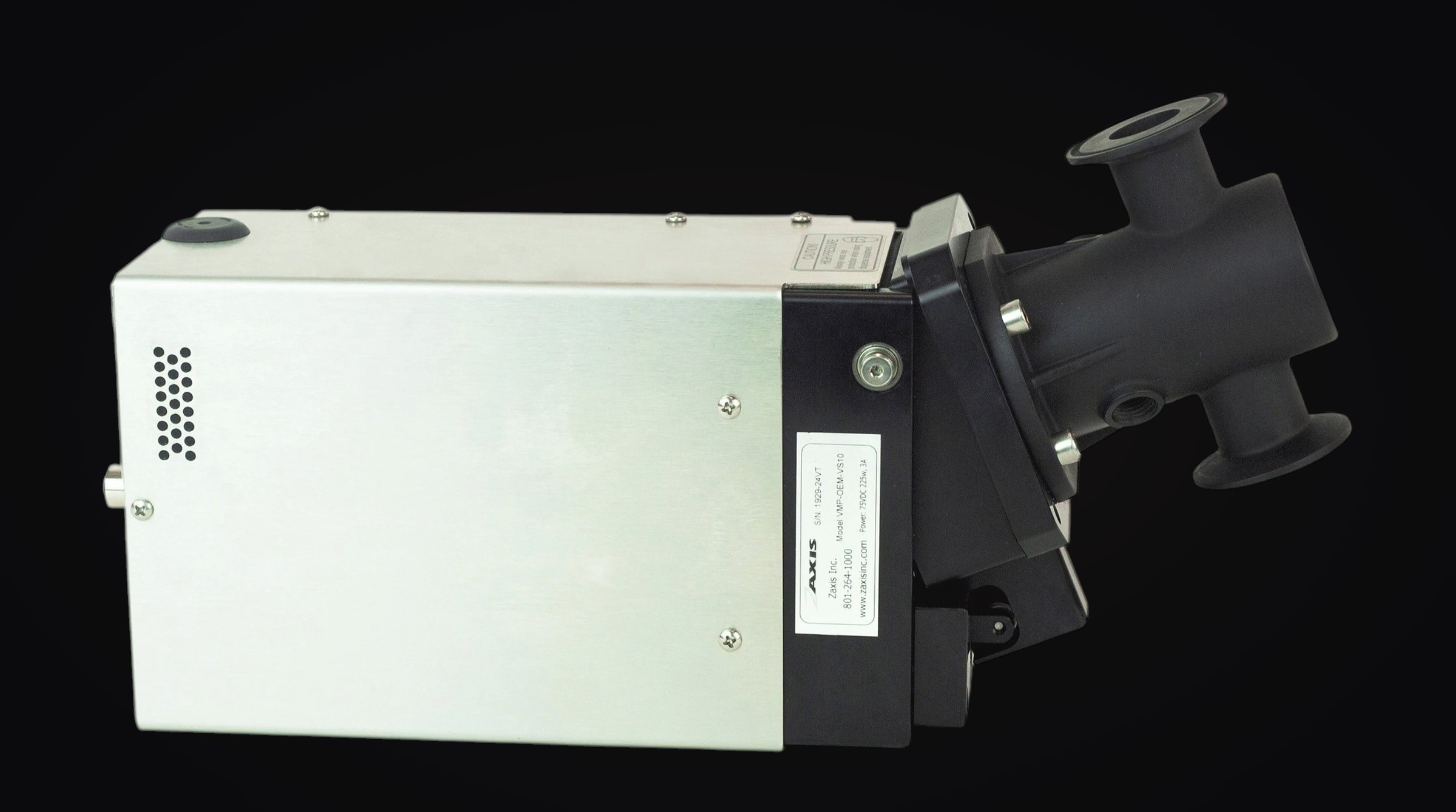
Environmental manufacturing and field work can involve abrasive or corrosive conditions, water and wastewater analysis, reagent kits, adulticides, larvicides, fertilizer pellets, sewage overflow monitoring and soil composition testing.
Patented valveless eVmP systems use diamond-hard ceramic internals, CIP capability and automatic product, batch or recipe changeover without disassembly or manual adjustment. Their positive-displacement design provides accuracy within 0.5%, based on the application, for chemical-feed work where dosage matters.
Adulticide and larvicide production uses chemical additives for critical pest-control products. The pump selection depends on production volume, chemical composition and the intended dose, because inaccurate dosing can affect workers, end users and the environment.
Water treatment, conditioning and analysis kits require repeatable chemical dispensing, whether wastewater is being treated or mixtures are dispensed on a manufacturing line. Extra-large-flow configurations can reduce maintenance and energy waste, improve HVAC efficiency, and withstand corrosive or abrasive water-treatment chemicals and particulates.
Seed coating doses pesticides, fungicides, fertilizers, release agents and other substances after treatment. Careful measurement helps apply the coating agents accurately for growth and production.
Environmental dosing can be configured around production volume, chemical composition and required dose. Ceramic components and valveless flow paths help manage particulates, corrosive chemicals and cleaning changeovers while keeping water-treatment, pest-control and seed-coating processes moving.
Environmental treatment duties often meter chemicals for pH and mineral control. A configuration review should capture the chemical, the required dose, the inlet supply and the downstream pressure so that the selected pump is assessed in its actual installation. Where fluid movement changes quickly, piping and valves deserve the same attention as the pump head.
Chemical processing and water treatment are common applications for precision metering. Before a project is released, confirm whether the system needs a continuous feed or a repeated programmed dose, then observe the actual pressure behavior at the discharge. That information helps distinguish a selection based on process evidence from one based only on a nominal pump description. Corrosive and abrasive materials make wetted-component review particularly important. The final arrangement should be evaluated for the line’s maintenance and controls requirements.
Start with the chemical, flow requirement and installation conditions, then select the pump range and drive.
Small chemical additions can require a controlled micro-scale dispense. Select a range that matches the actual feed quantity.
Electronic adjustment can change the delivered volume without a mechanical volume adjustment.
View M-Series for low-volume feeds →Milliliter metering fits many chemical processing and water-treatment duties. Fluid compatibility belongs in the configuration review.
Positive displacement moves a known volume each cycle, helping maintain repeatability as system conditions change.
View V-Series for milliliter processes →Viscous or abrasive materials may demand a higher-torque arrangement. The servo-driven option provides a different configuration for those applications.
Review inlet conditions and discharge resistance before setting the operating point.
View VS10-Series for resistant fluids →Metering pumps are used where a process needs a measured addition rather than uncontrolled transfer. Positive-displacement designs physically move a known amount of fluid per cycle.
A valveless construction removes external valves from the pumping path. That approach can reduce maintenance considerations associated with valves for appropriate fluids.
Chemical compatibility, desired volume and process controls establish the practical configuration.
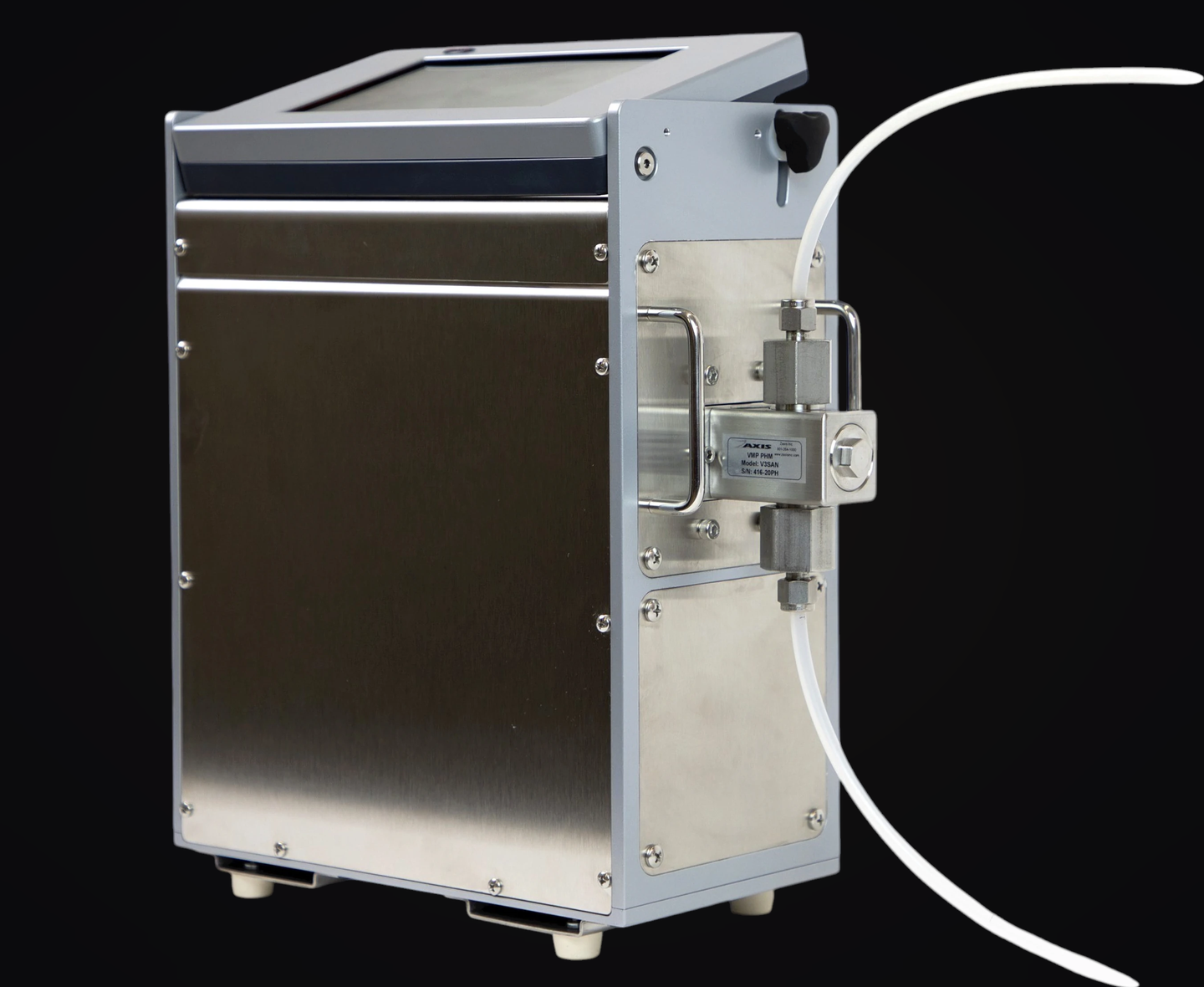
Water hammer is a pressure surge that can occur when a fluid moving through a system is forced to stop or change direction quickly. Piping layout, valve behavior and operating changes can all matter.
Cavitation occurs when vapor bubbles form and collapse within the pump. It can damage internal components and affect service life.
Assess inlet conditions, viscosity and system pressure before a pump is put into duty.
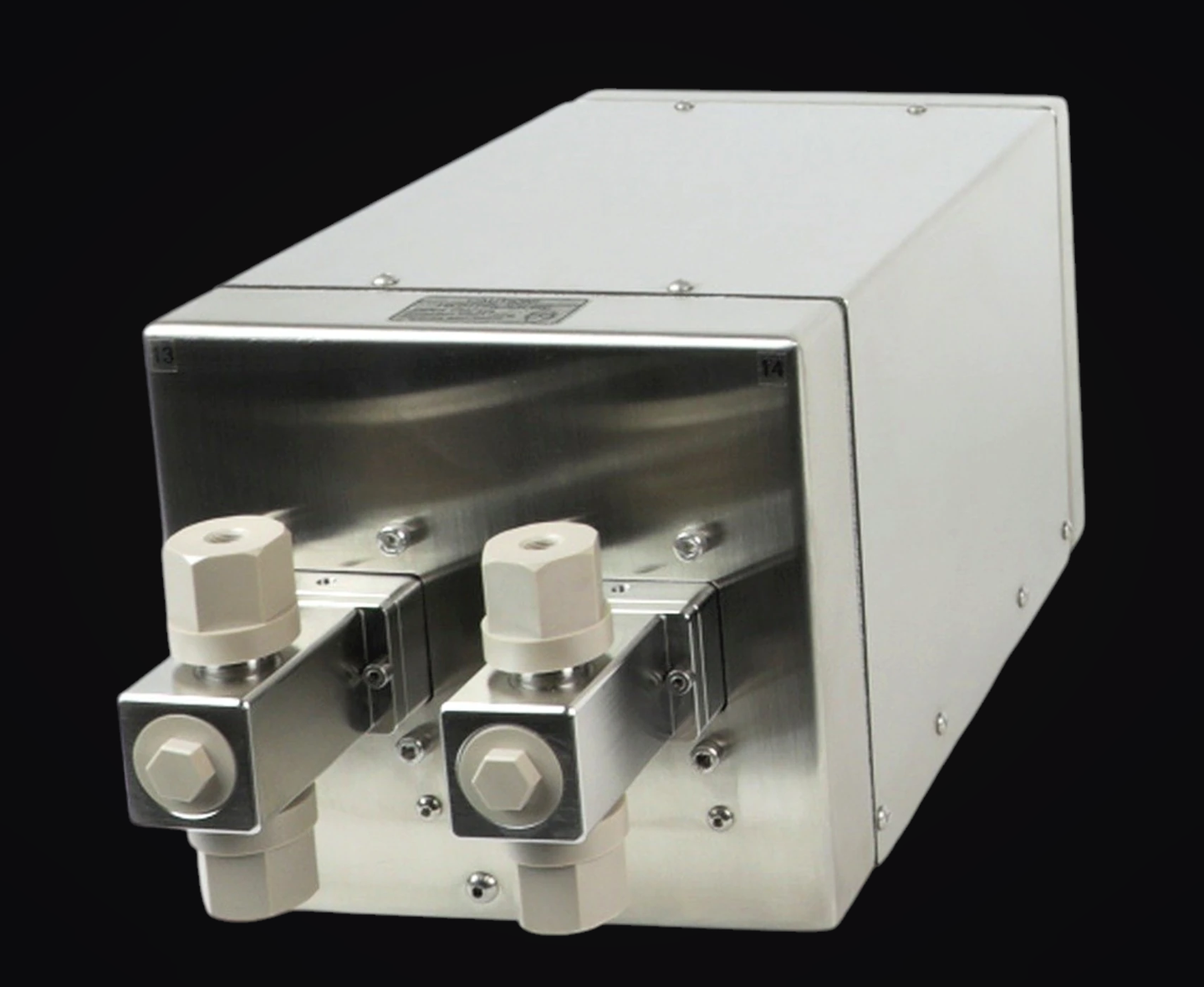
Pump selection begins with what the process must move and how the system behaves. Fluid viscosity, pressure conditions and the required accuracy are key distinctions between pump types.
Dynamic pumps can vary in flow behavior as pressure or viscosity changes. Positive-displacement pumps link volume to internal displacement.
The right choice must also account for maintenance, controls and the application’s operating environment.
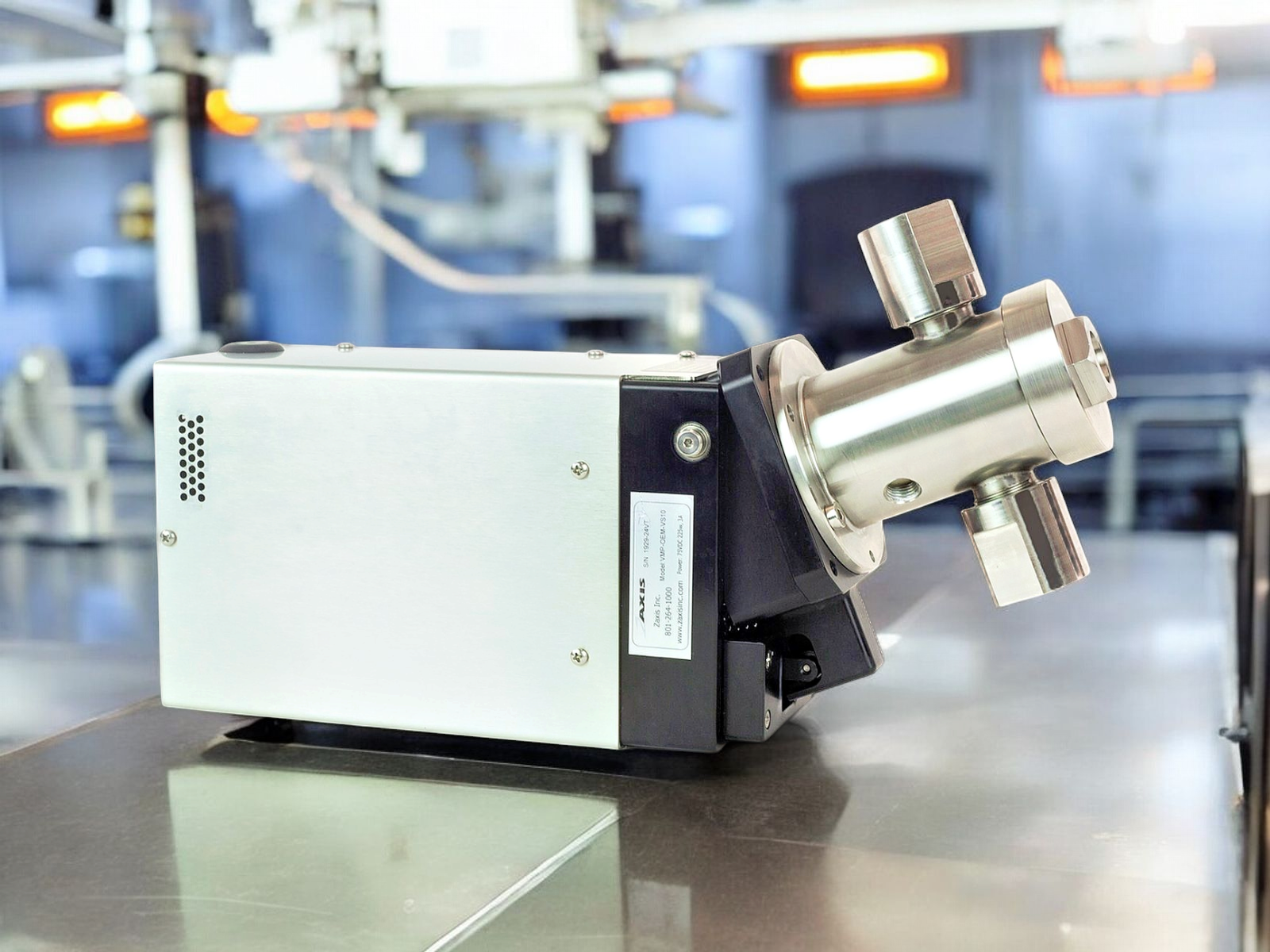
Water treatment, seed coating, sewage monitoring and soil testing are typical environmental applications.
Ceramic internals and available wetted-path materials handle harsh chemicals and particulates.
Available controls include RS485, 24VDC digital I/O, Ethernet IP and Ethernet TCP/IP. Digital I/O and network control: Ethernet IP, Ethernet TCP/IP, RS485 or 24VDC I/O.
The eVmP is a valveless pump with no external supply or discharge valves.
Electronic adjustment and CIP capability reduce the need for manual adjustments or disassembly.

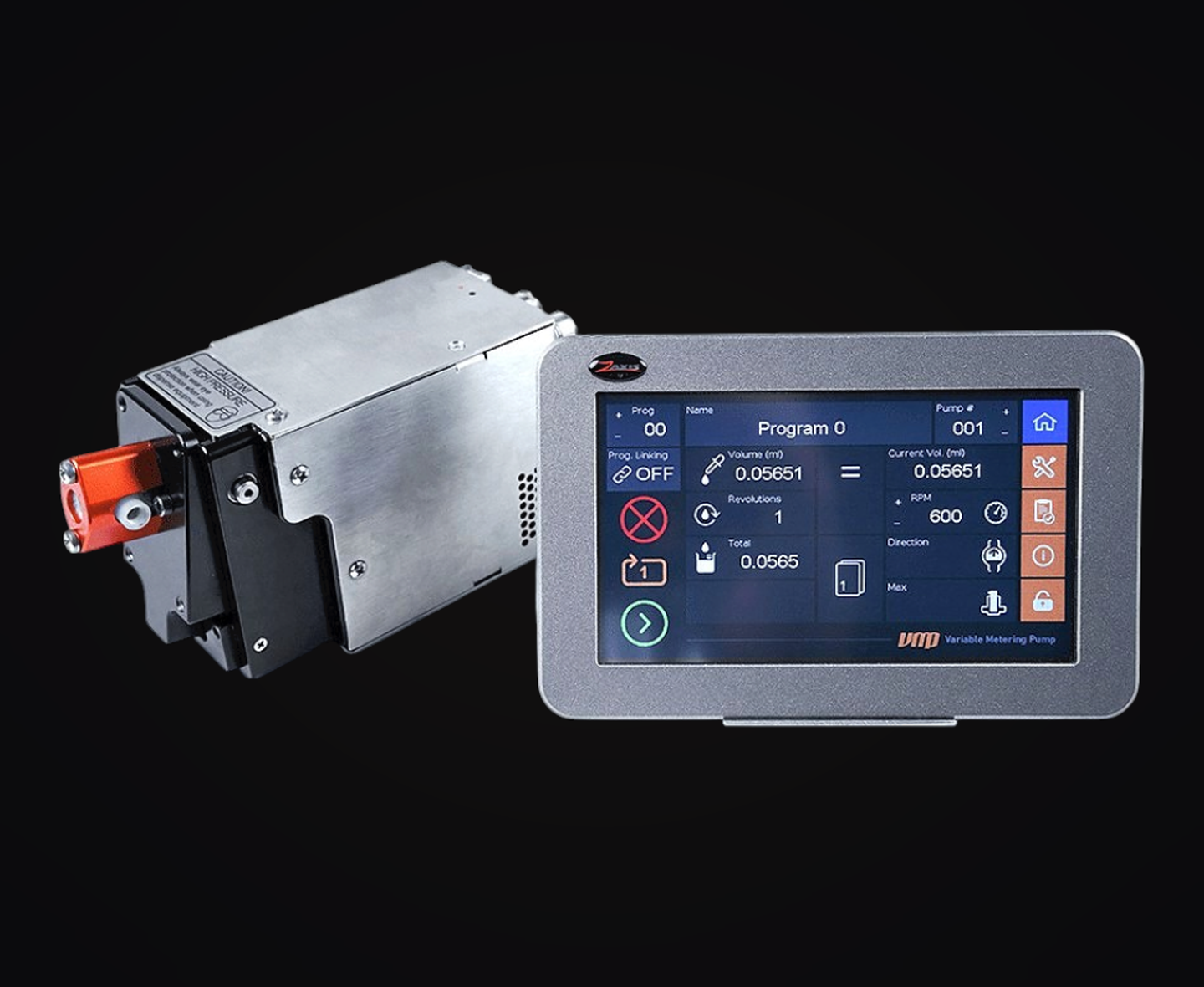 eVmP M-SeriesMicroliter metering from 2.5–100 µL per revolution.
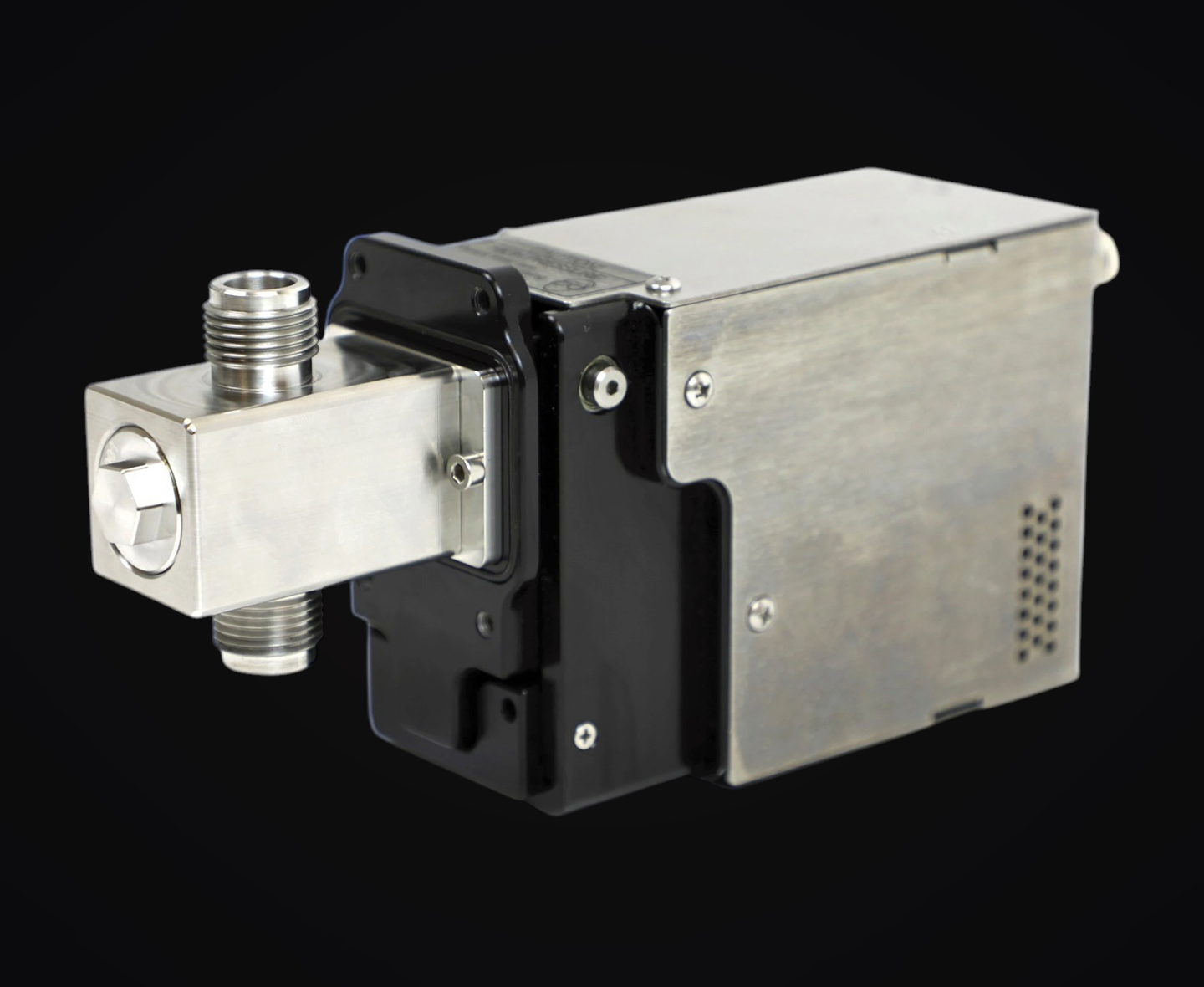 eVmP V-SeriesMilliliter metering up to 1,920 mL/min on the VS drive.
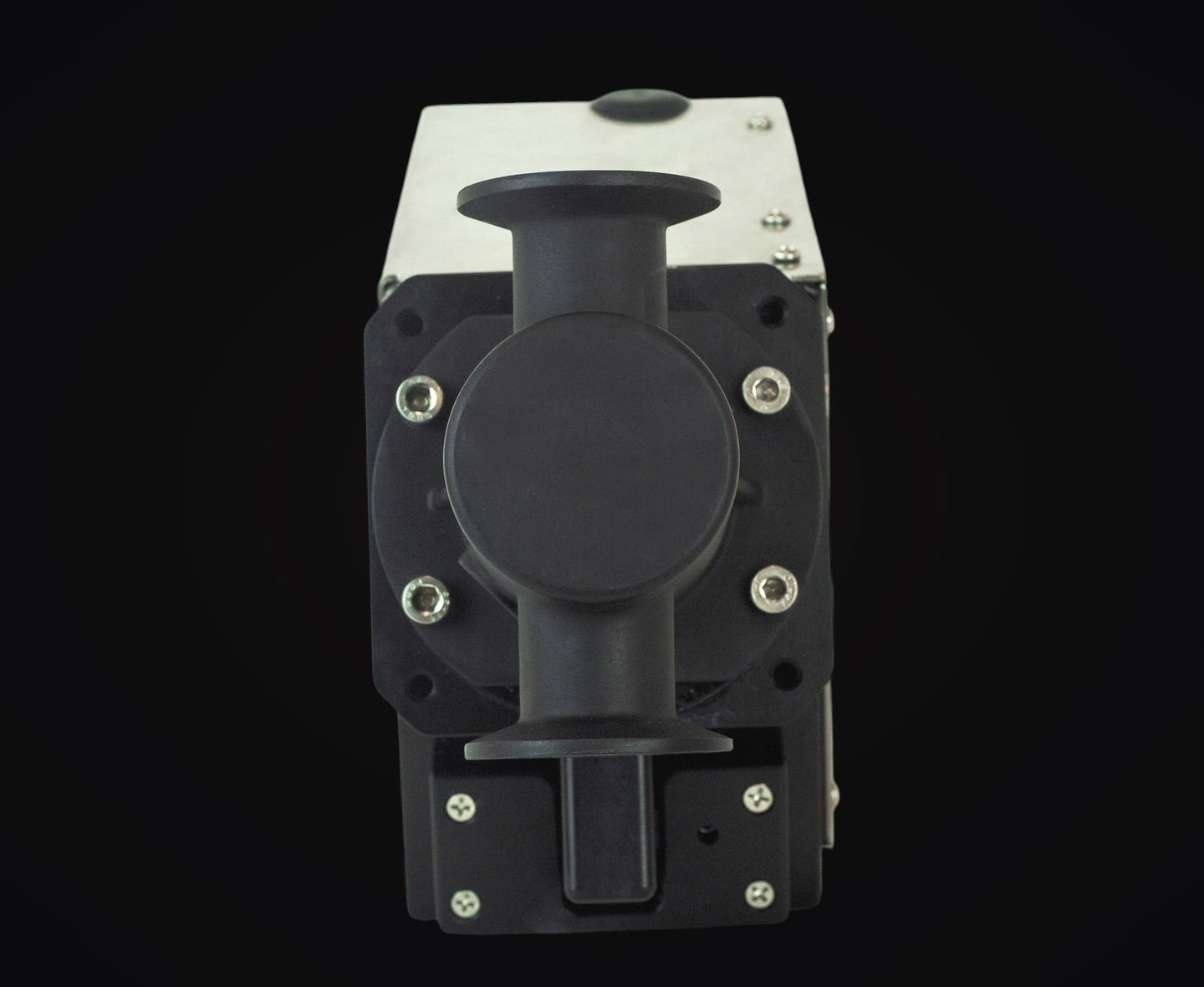 eVmP VS10-SeriesNearly 10 mL per stroke and up to 10 L/min.
