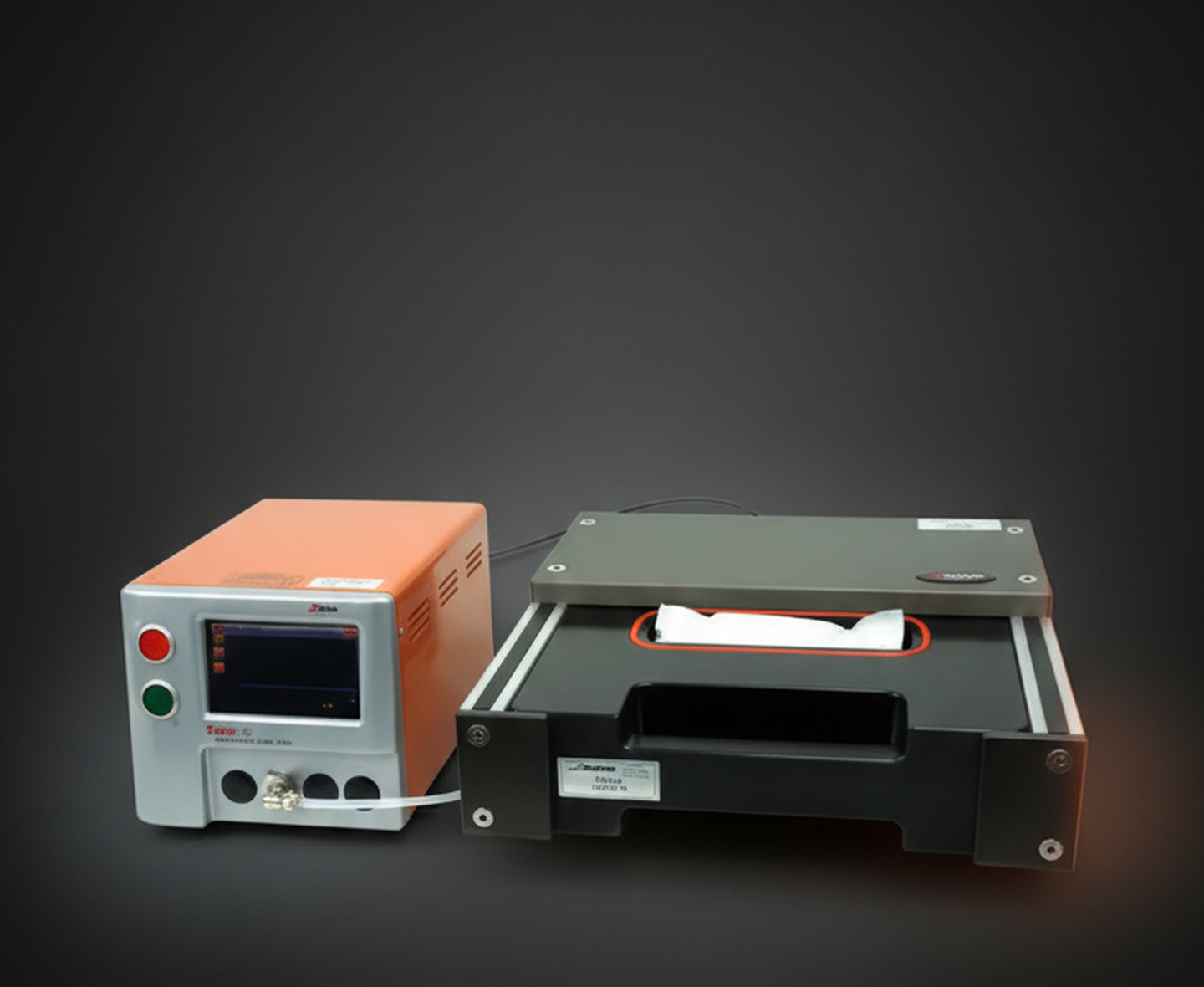
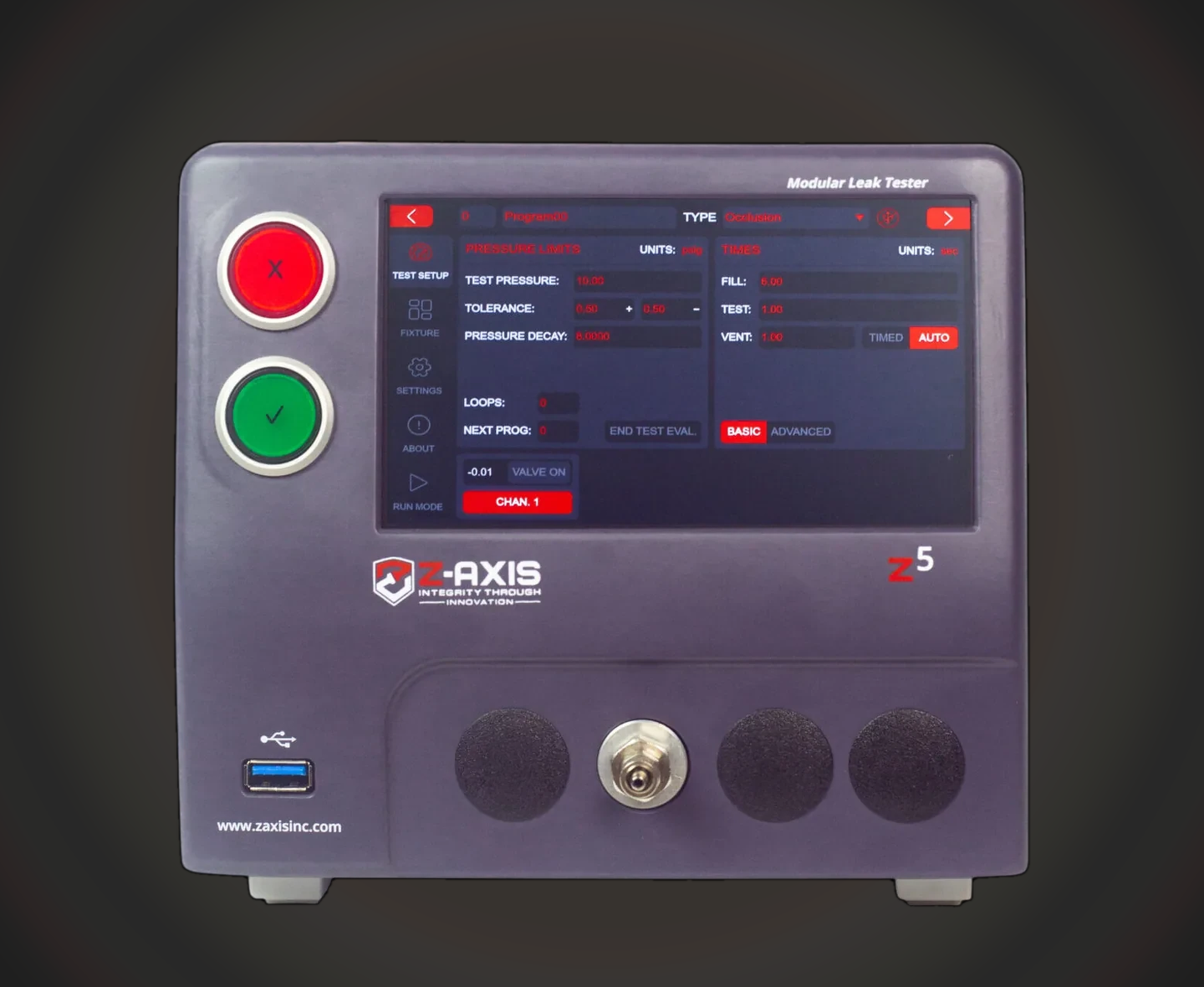
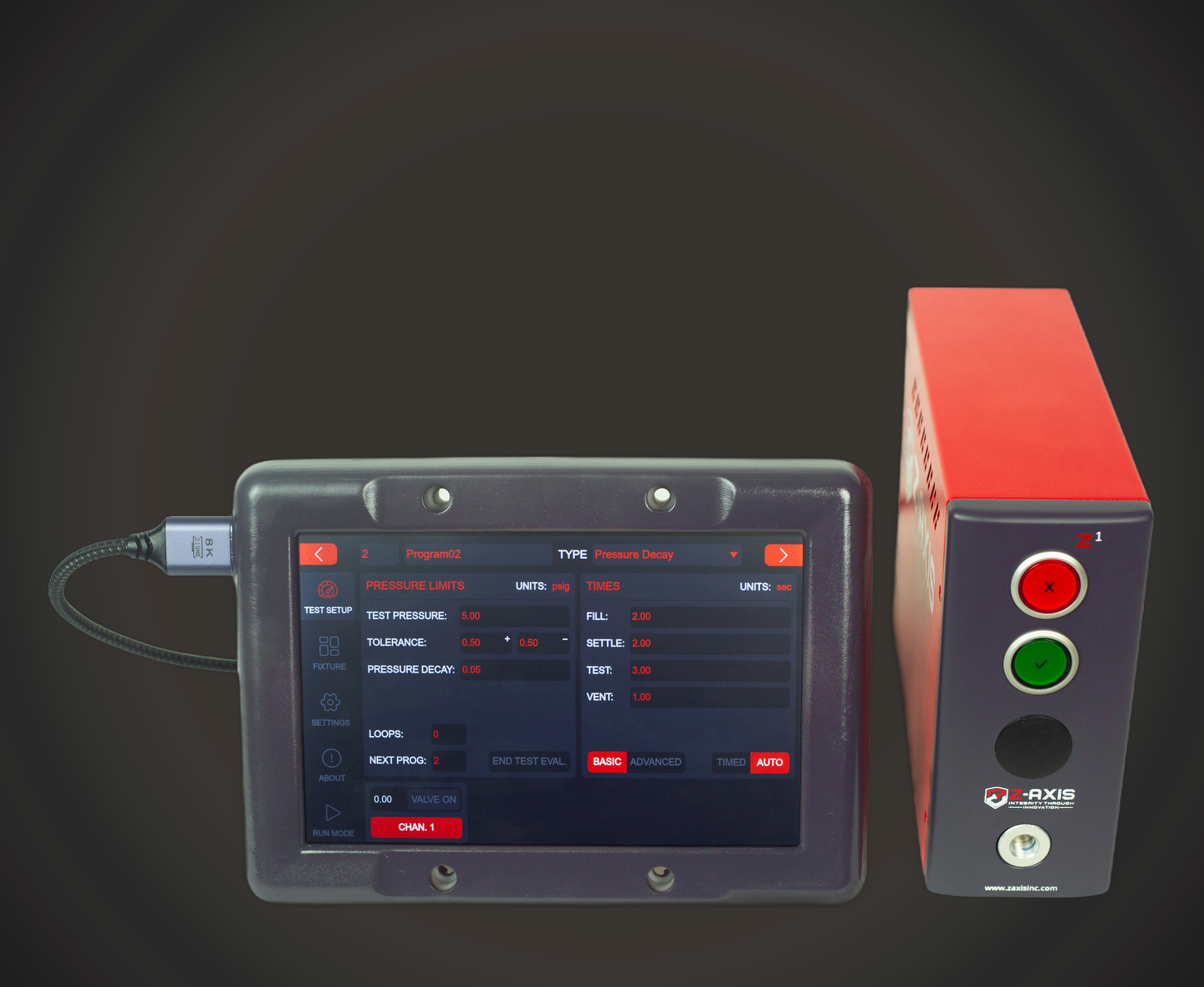
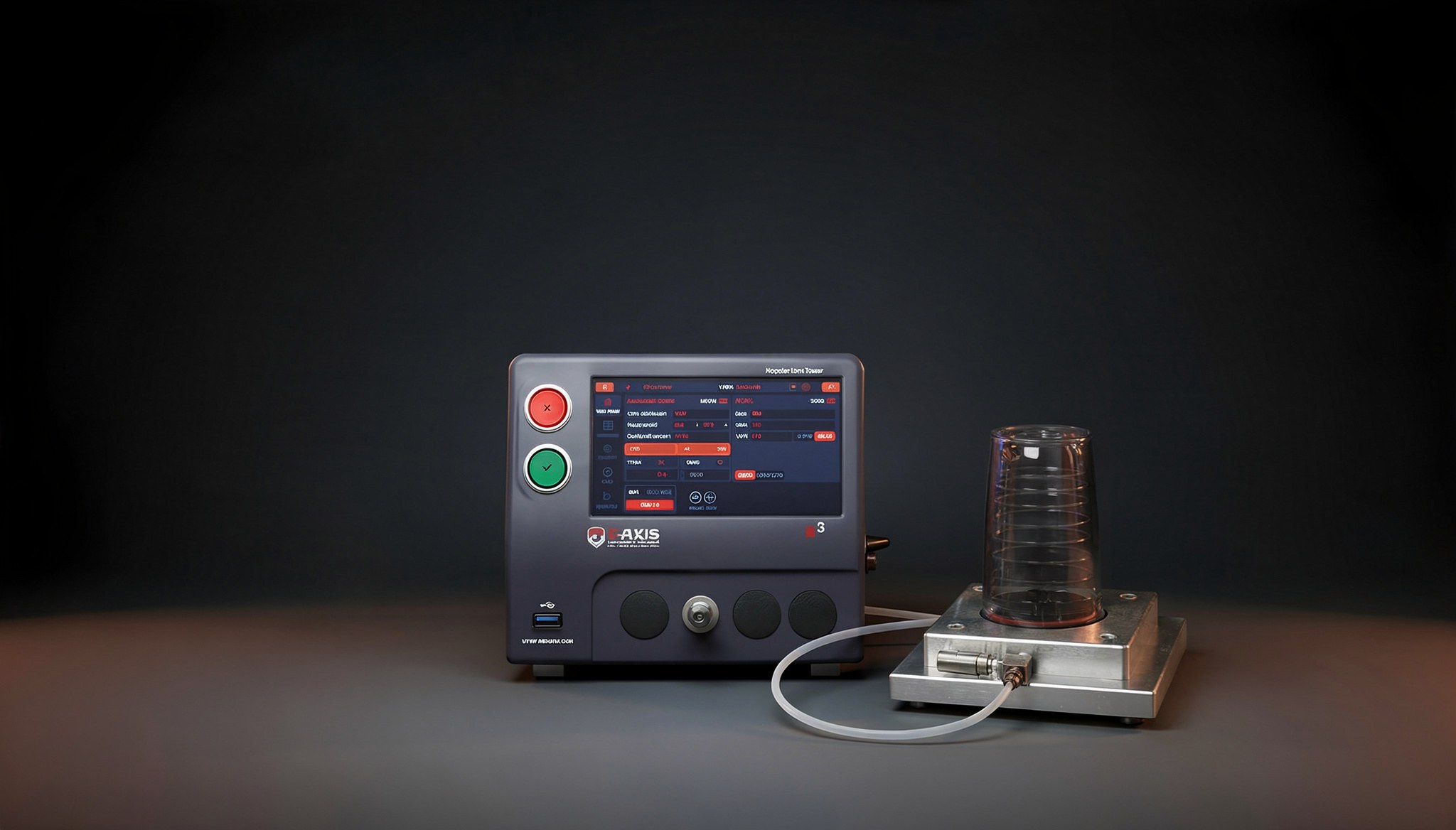
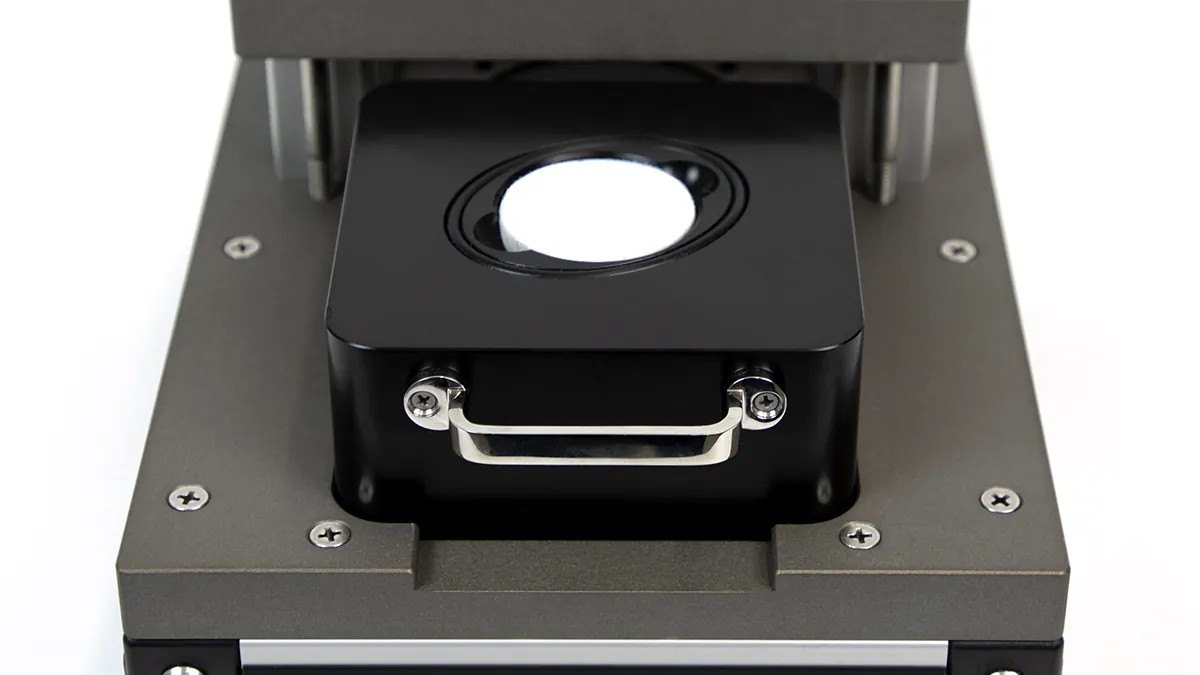
Zaxis 7i tester with a flexible package sealed in a fixture

Industry Solutions

Packaging Leak Testing

Packaging leak testing helps teams protect package integrity, product quality and customer trust.

Every business needs to securely protect its products. Packaging leak testing is a crucial step toward maintaining package integrity for consumer goods, pharmaceutical and food products.

Even seemingly miniscule package flaws can lead to contamination. Detecting leaks helps safeguard product deliveries and gives teams a way to prevent packaging problems before products reach customers.

Impermeable packaging helps maintain product shelf life while supporting customer satisfaction, brand loyalty and customer retention. Leak testing is more than meeting industry compliance standards: it demonstrates a commitment to high-quality products.

Zaxis can help teams select leak testing solutions that support high safety and quality standards, from a bench fixture to automated high-volume fill-form-seal operation.

Request for Quote

What gets tested

Packaging must protect products from contamination and other issues through storage, shipping and delivery. Packaging leak testing helps teams detect package flaws before those flaws put product quality at risk.

A packaging program can move from a bench fixture into automated high-volume fill-form-seal operation. Automated operation can increase output while reducing opportunities for user error.

The required test depends on the packaging type and product details. Sealed packages can be assessed with a fixture or chamber without relying on a traditional direct connection.

Packaging leak prevention is more than another quality-control measure during manufacturing. It can give a business a competitive edge that protects brand reputation and helps save money. Everyone wants products to reach customers in top-notch condition, and that requires due diligence throughout the packaging process.

Businesses can align packaging processes with market and consumer demands by understanding product longevity, cost savings, customer loyalty, operational efficiency and sustainability. Zaxis specialists can help when a team needs support with packaging leak-testing solutions.

•Sealed packages•Flexible packages•Fill-form-seal packages•Food packaging•Pharmaceutical packaging•Consumer-goods packages

Methods used

Choosing the method

Use the package construction, available access and line cadence to choose a non-destructive method that distinguishes a gross seal failure from the required fine-leak limit.

Chamber testing

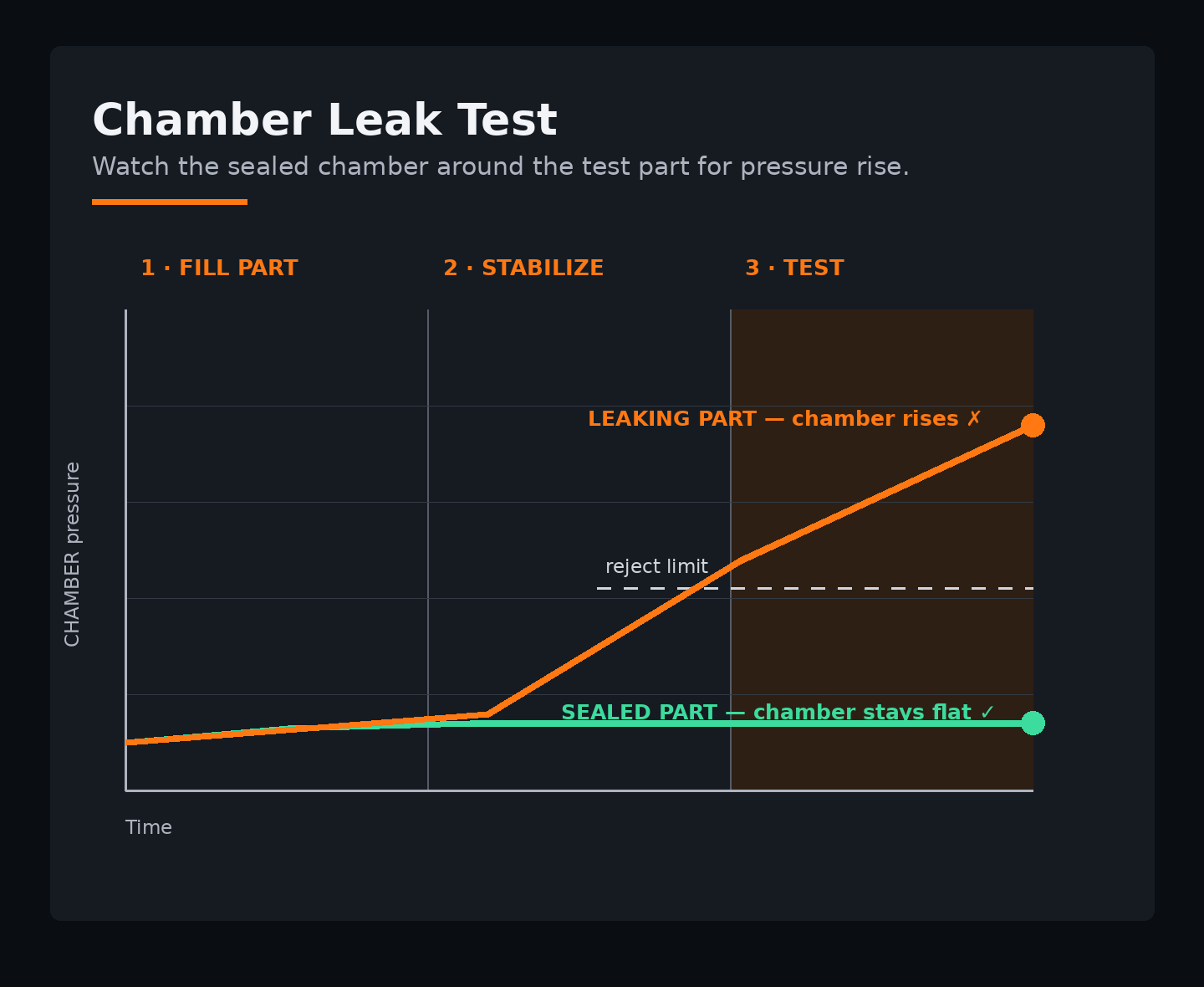
Chamber testing is the answer for food trays, pharmaceutical vials and other sealed packages with no port to pressurize. The package sits in a custom nest inside the chamber, a metered volume of air is released around it, and a leaking package lets air inside so the equalized pressure lands below the expected range.

One cycle screens gross failures, gross leaks and fine leaks, and a single fixture accepts different nests so one station can cover several package formats.

Chamber testing explained →

Vacuum decay

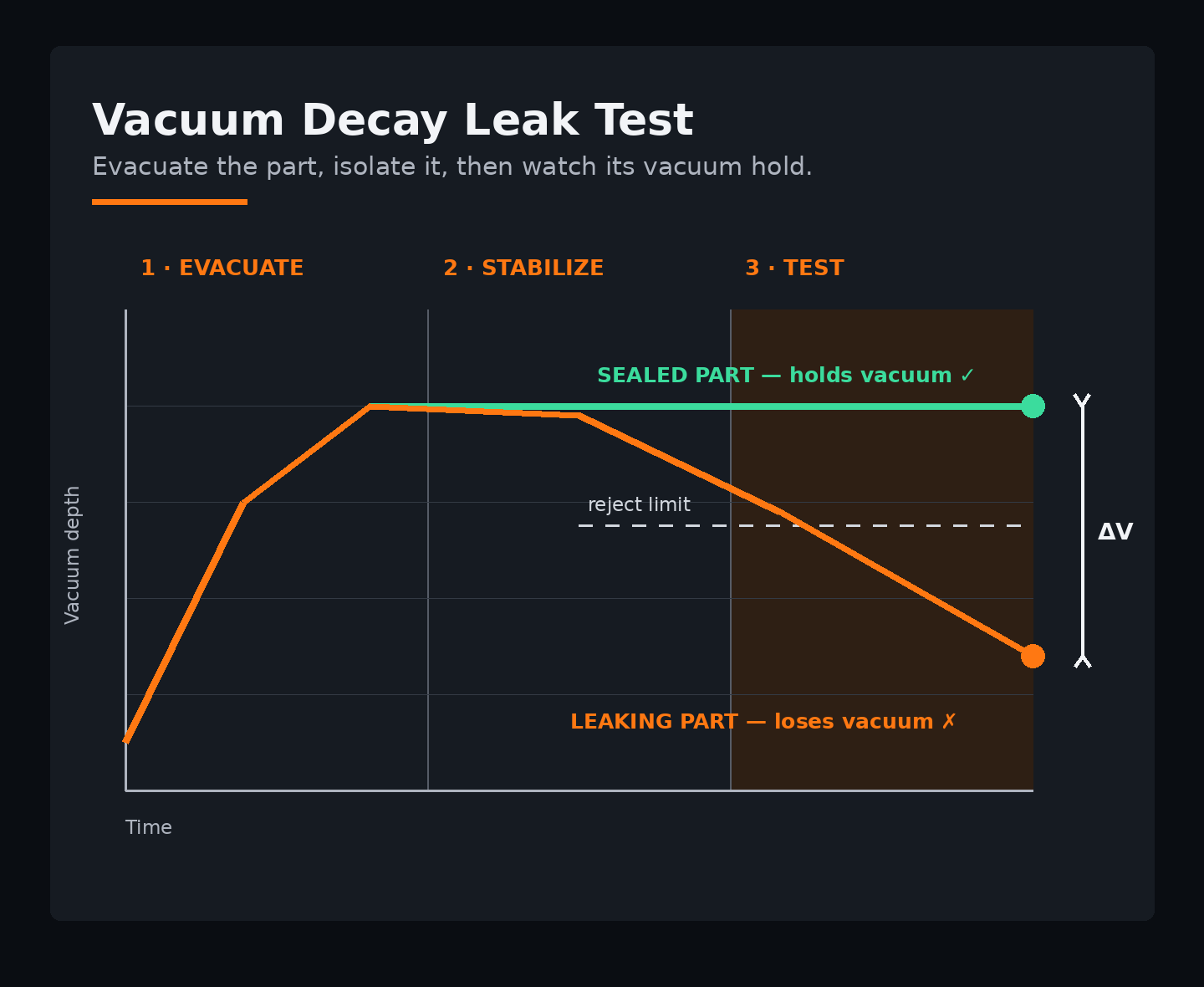
Vacuum decay evaluates packaging and sealed containers by drawing a vacuum and measuring the pressure change against a defined acceptance limit. Zaxis testers resolve pressure to 0.00001 PSI, so the same pass/fail decision repeats from package to package.

It replaces dunk inspection with pressure-versus-time data and fits automated packaging lines without slowing them.

Vacuum decay explained →

Differential pressure

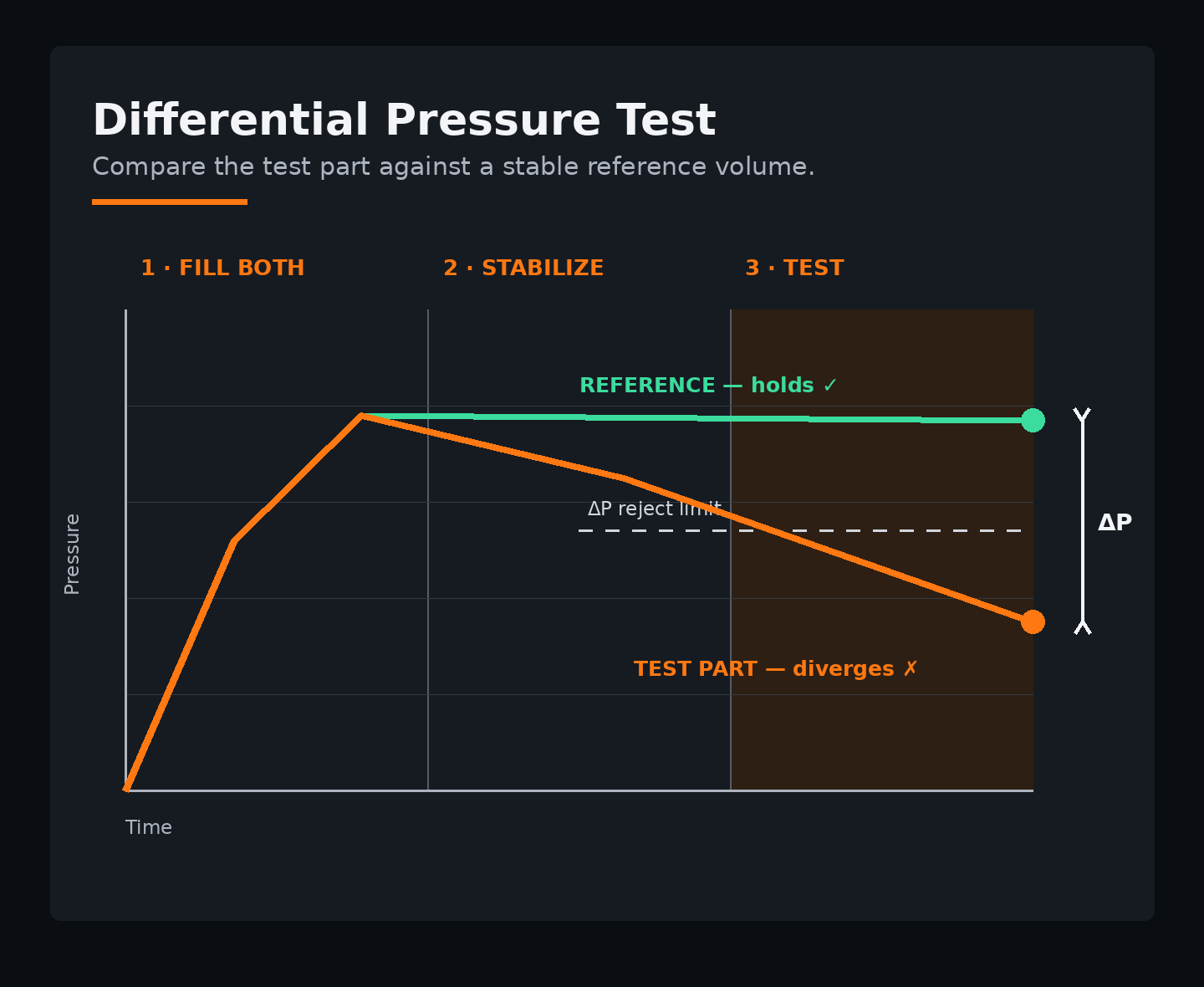
Differential pressure decay fills the package and an equal reference volume to the same test pressure, isolates both, and reads the change between them on a differential transducer.

Large-volume packages with low leak limits benefit most: matched volumes cancel temperature-driven drift that would otherwise look like a leak.

Differential pressure explained →

Recognizing packaging leak causes

Recognizing packaging leaks is a crucial quality-control step. To prevent leaks, teams first need to understand the common causes that can affect package integrity.

Seal contaminants such as foreign particles or residues can prevent proper seals from forming. Without packaging leak testing, those seal problems can be difficult to detect until it is too late.

Material defects can create leak pathways that detrimentally affect products. Imperfections in packaging materials can undermine the protection a package is intended to provide.

Handling errors during storage or transport can create punctures or tears that ruin products. Machinery malfunctions, including pressure or heat inconsistencies while sealing packages, can create weak seals and leak risks.

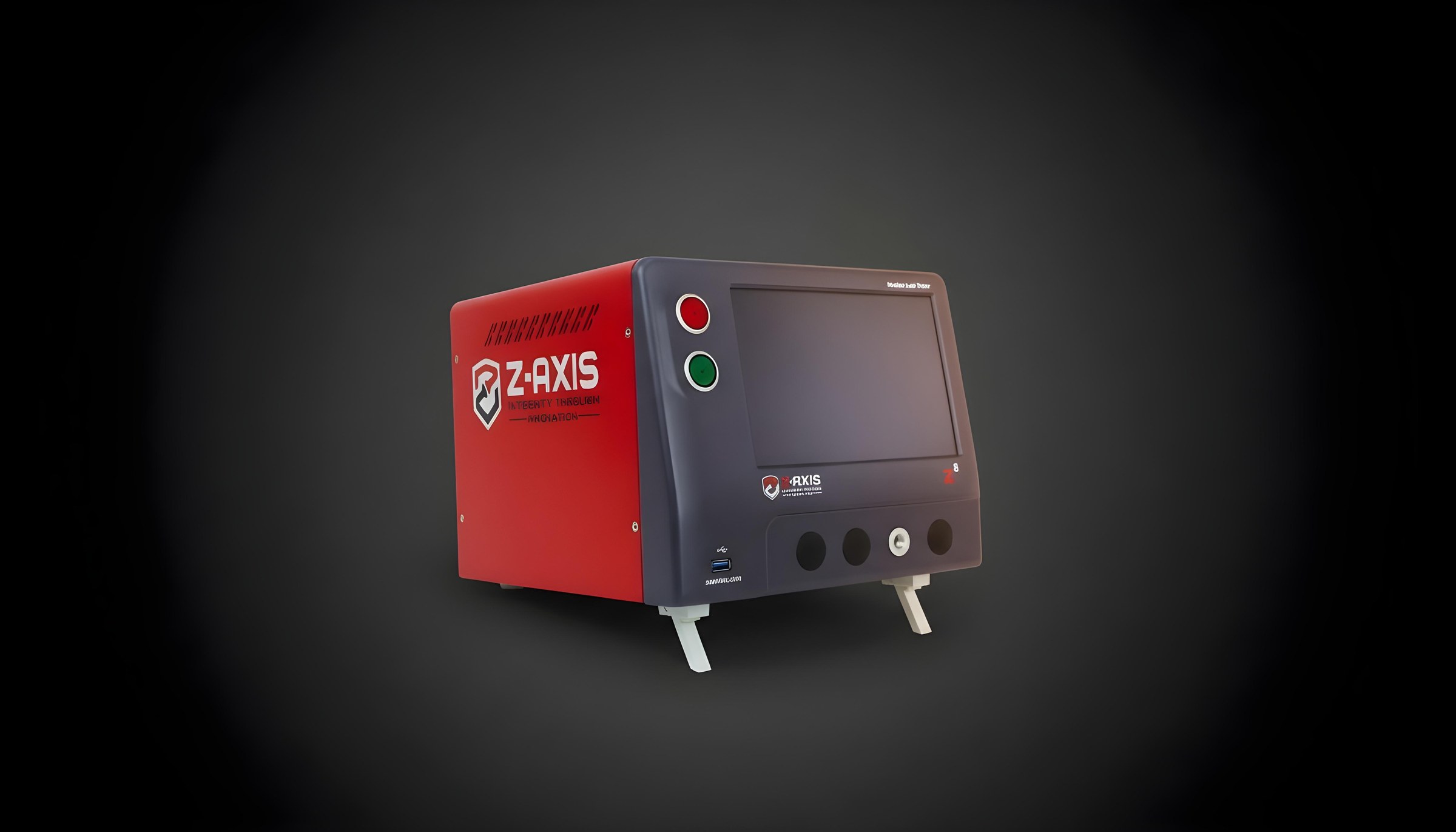
Zaxis Z8 air leak tester

In depth: sealed packages and packaging lines

Using metered-volume fill to screen sealed packages

A chamber test evaluates packaging with no opening for direct fill. The system charges a reference volume, isolates it, then introduces that measured air into the package chamber. A sound package reaches the expected test pressure; a gross leak changes total volume and reaches a lower value.

The difference between good and gross-leaking pressure results becomes the fill tolerance. A unit outside that tolerance fails as a gross leak; a package that passes can continue through conventional pressure-decay steps for a finer check.

Test pressure needs a one-time adjustment with a known-good package. Reference volume and free space around the product affect the final setting, so teams should sample parts before choosing production plus/minus limits.

Differential-pressure graph for sealed-package screening

Sizing the reference volume and package chamber

Reference-volume capacity affects how visible the difference is between a good package and a gross failure. An oversized reference volume can make the pressure change too small to measure well after air enters the chamber.

Smaller reference volumes and less unused space around the package increase the difference between good and bad units. For smaller cavities, reducing reference volume and increasing reference pressure can preserve a meaningful response.

The relationship follows P1 × V1 = P2 × V2: initial charge and reference volume determine resulting equalized pressure. A close-fitting package nest improves sensitivity and cycle time, not only part handling. The fixture should also secure the package so handling does not introduce a separate source of pressure movement during the cycle.

Chamber test graph for package reference-volume sizing

Balancing speed and repeatability on a packaging line

Vacuum decay observes a measured change under vacuum against a defined pass/fail limit. It is non-destructive, repeatable and suitable for automated lines, avoiding inconsistency from visual examination.

Differential pressure decay uses equal test and reference volumes. Both are filled to the specified pressure and isolated; after stabilization, a differential transducer measures their relative change for the selected duration.

For large volumes with low leak rates, paired volumes can reduce the effect of temperature fluctuations. The tradeoff is additional pneumatic and sensing hardware plus time to fill both volumes. Teams should weigh that investment against the package volume, target leak rate and required cycle time before choosing the test approach.

Vacuum-decay graph for repeatable packaging-line testing

Applications in this industry

Zaxis Z5 leak tester with a sealed chamber fixture for packages

Perishable food packaging

Perishable items can spoil when exposed to contaminants, air or other packaging mishaps. Effective leak testing and prevention maintain product quality, prolong shelf life and can help food businesses minimize the use of additional preservatives.

Automated leak-test cells on a production floor

Fill-form-seal production lines

A packaging test can start with a single package on a bench fixture and scale to automated fill-form-seal production in the thousands, where automated operation raises output and cuts user error. Testing and prevention are more efficient than corrective measures after a leak is found, reducing downtime and streamlining the line.

Drawer-style fixture used for packaging leak testing

Pharmaceutical and consumer-goods packages

Sealed packages with no accessible opening are tested in a custom-fit chamber with vacuum decay or pressure decay, non-destructively. Consistent quality, safety and freshness keep customers relying on the brand, and fewer damaged goods mean fewer recalls, returns and spoiled products.

Packaging Leak Testing FAQ

Why should packaging teams test for seal contaminants?

Foreign particles or residues can prevent proper seals from forming. Testing helps catch a seal problem before contaminated or compromised packages reach customers.

How can material defects affect sealed packaging?

Imperfections in packaging materials can create leak pathways that detrimentally impact products. A package-integrity test provides a way to identify a failed seal or package before delivery.

What packaging damage can happen during storage and transport?

Mishandling can create punctures or tears that often ruin products. Testing supports a quality-control process focused on packages that must remain intact through storage, transport and delivery.

Can sealing machinery inconsistencies cause package leaks?

Yes. Pressure or heat inconsistencies while sealing packages can create weak seals that pose leak risks. A repeatable leak-test process can help identify the resulting package problem.

How does package integrity help reduce recalls and returns?

Packaging leak prevention can minimize damaged goods and inadvertent expenses associated with recalls and returns. It also helps protect product quality before shipping.

Why does packaging leak prevention matter for perishable products?

Perishable items can spoil when exposed to contaminants, air or other packaging mishaps. Maintaining product quality and prolonging shelf life are key benefits of effective testing and prevention.

How can automated packaging tests improve an operation?

Automated operation can increase output and reduce user error as a process moves from a bench fixture into high-volume fill-form-seal operation.

How does packaging leak testing support sustainability efforts?

Minimizing packaging failures can reduce excess materials and spoiled products. That lowers ecological impact while helping a business meet consumer expectations for eco-friendliness.

What is metered-volume fill in a packaging chamber test?

A reference volume fills the chamber; a gross leak reaches lower pressure than a good package.

Why should a package chamber fit closely around the product?

Less free space makes pressure differences easier to measure and can shorten the cycle.

Ready to Ensure Product Integrity ?

Request for Quote

For pharmaceutical and medical package applications, see Pharmaceutical & Medical Packaging Leak Testing for CCI context, method scope and validation ownership.

Review the package-method scope explainers for ASTM F2095 and ASTM F2338.