
Life-science equipment
Life-science OEM equipment can integrate eVmP dispensing for hydrogels and pharmaceutical fluids. Configurable pump heads, drives and wetted paths adapt the system to the machine.


Positive Displacement Pumps
eVmP systems give OEM equipment builders electronically adjustable positive-displacement metering with configurable heads, drives and interfaces.
OEM equipment can require fluid metering that adapts to product recipes, volumes and mechanical integration. The eVmP system uses electronic adjustment rather than a manually adjusted dosing setting.
Zaxis describes the eVmP as a rotating and reciprocating valveless pump with one moving part designed for millions of maintenance-free cycles.
Request for QuoteOEM applications include medical devices, life-science work, pharmaceutical facilities, automotive manufacturing, environmental components and electronics.
The platform can be configured with different pump head types and sizes, pump drives, flow rates and wetted-path materials.
Life-science OEM equipment can integrate eVmP dispensing for hydrogels and pharmaceutical fluids. Configurable pump heads, drives and wetted paths adapt the system to the machine.
Automation machinery can use electronic adjustment between recipes and batches without a manual dosing setting. The detachable Touch Screen Interface supports programming, teach and control.
OEM systems span automotive, environmental, electronics and pharmaceutical production equipment. M-Series, V-Series and VS10-Series models cover volume and flow ranges stated for each configuration.
The detachable Touch Screen Interface supports programming, immediate teach and control. Digital integration options include Ethernet IP, Ethernet TCP/IP, RS485 and 24VDC I/O.
M-Series, V-Series and VS10-Series products provide volume and flow ranges for different OEM requirements for different OEM requirements.
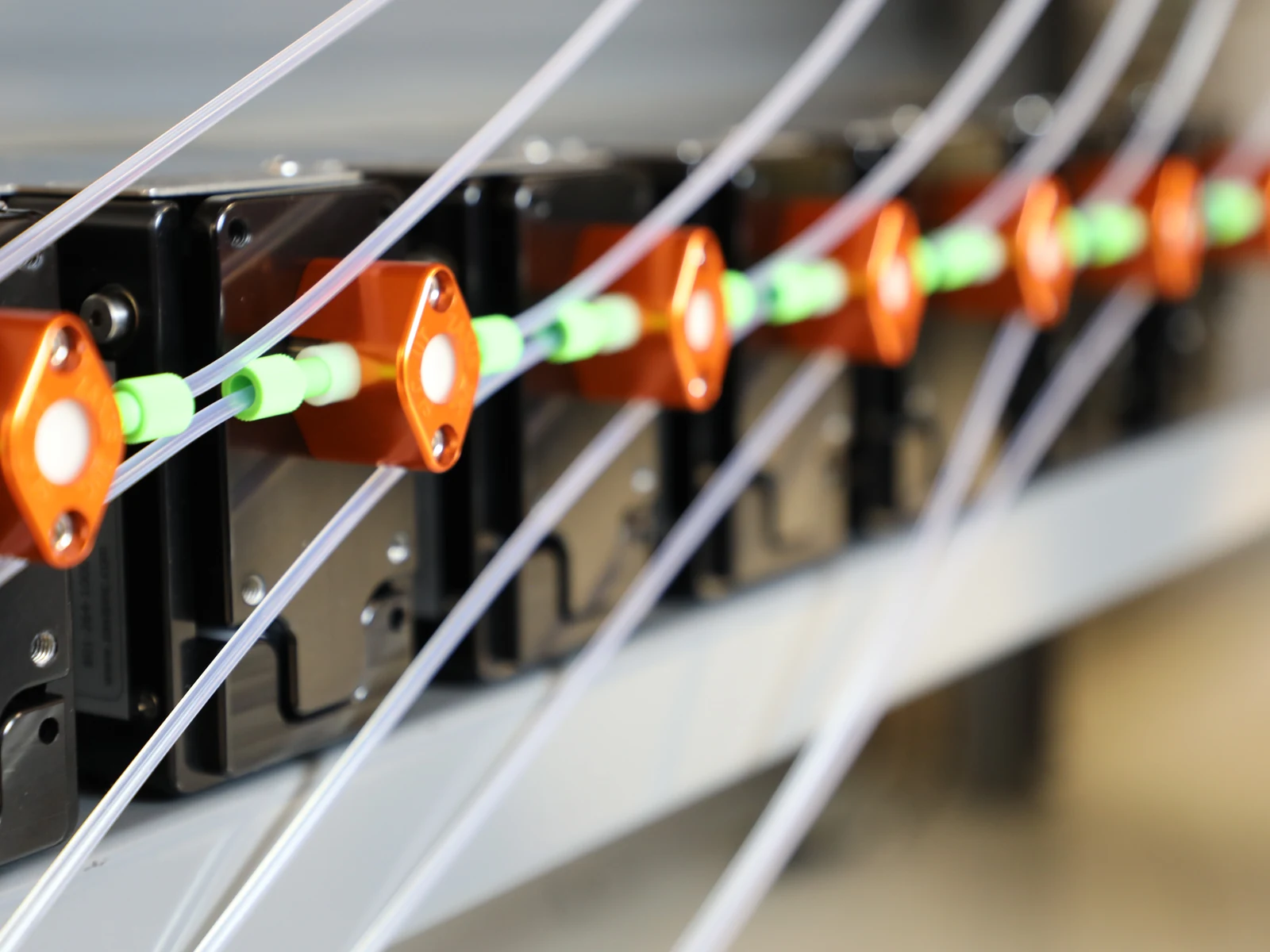
Patented eVmP systems provide electronically adjustable, valveless metering for OEM production lines. A rotating and reciprocating design with one moving part is designed for millions of maintenance-free cycles with drift-free precision, while programmable adjustment reduces human error between recipes and batches.
Configurations can combine pump-head types and sizes, drives, flow rates and wetted-path materials for hydrogels, pharmaceuticals, automotive lubrication systems and other equipment. They provide 100% positive displacement, 1% accuracy and a 0.5% coefficient of variation, based on the application. Zaxis builds OEM pumps in the USA and follows ISO 9001:2015, REACH and RoHS practices.
An OEM pump integration can include a pump head, drive, enclosure and the selected communication method within one station. The automation cell may also contain conveyance, motion hardware and a PLC. Establishing responsibilities for those interfaces early helps a builder evaluate the dispensing sequence as a complete machine operation.
Machine builders often need flexibility because a customer can change a fluid, product format or required dose. An electronically adjustable metering system can support those changes through its controls, while the equipment designer remains responsible for validating the entire machine sequence. A positive-displacement pump moves a controlled amount of material per cycle. The relevant OEM decision is how that action works with fixtures, software, safety functions and the customer’s process.
The eVmP concept combines precision stepper-motor control and integrated electronics with a valveless pump design. For a machine builder, the useful question is whether its volume adjustment, drive behavior and communications align with the station requirements. That review should occur before the mechanical layout is frozen. It allows the OEM to account for service access, fluid supply and the intended customer operating procedure.
Before an OEM station enters service, the builder can verify pump settings against the required material and the receiving fixture. The commissioning record should include the programmed volume, direction, speed and any selected acceleration or deceleration settings. This practical check complements the design review by confirming that the connected equipment performs the intended dispensing sequence. It also creates a clear basis for operator training and service planning.
Configure the pump around the machine sequence, required dose, controls and the fluid that the OEM equipment will handle.
A microliter configuration can serve OEM equipment that needs a small repeatable dose. The required shot size is the first selection input.
Electronic adjustment changes volume and flow rate through programmed pump control.
View M-Series for compact dosing →A milliliter series provides a wider option for machine builders integrating a controlled dispense. The selected head should be proven with the intended material.
Valveless ceramic pumping components are designed for repeated metering cycles.
View V-Series for integrated equipment →When a fluid creates more resistance, a servo-driven option can provide greater torque. That choice depends on the complete system, not just a nominal viscosity.
Integrators should include the nozzle, tubing, inlet and automation sequence in the application review.
View VS10-Series for higher resistance →Automated dispensing systems need a pump that can participate in a machine sequence while preserving a controlled fluid quantity. The machine builder must coordinate its software, mechanics and material handling.
Electronic adjustment makes it possible to change a pump setting without manual volume repositioning. That flexibility can support equipment designed for more than one product format.
An OEM integration should define the required communication, controls and safety behavior before production deployment.
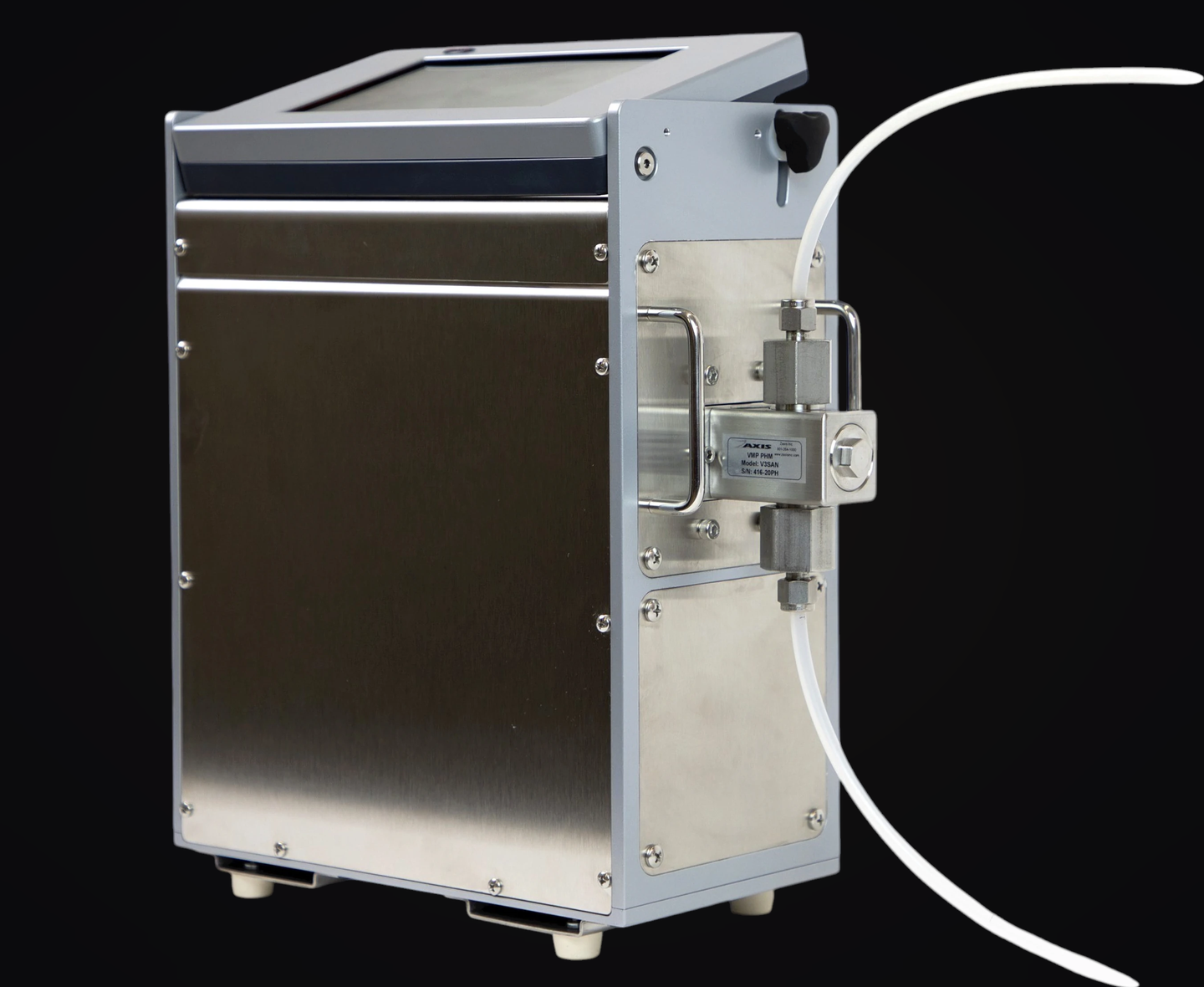
A dynamically adjustable reciprocating fluid dispenser uses electronic control to vary the metered quantity. This design direction supports changes in dose without the same manual adjustment approach.
The reciprocating action belongs to a positive-displacement principle: internal motion determines the fluid volume moved during a cycle.
Integration work must still validate the fluid, fittings and sequence used on the finished machine.
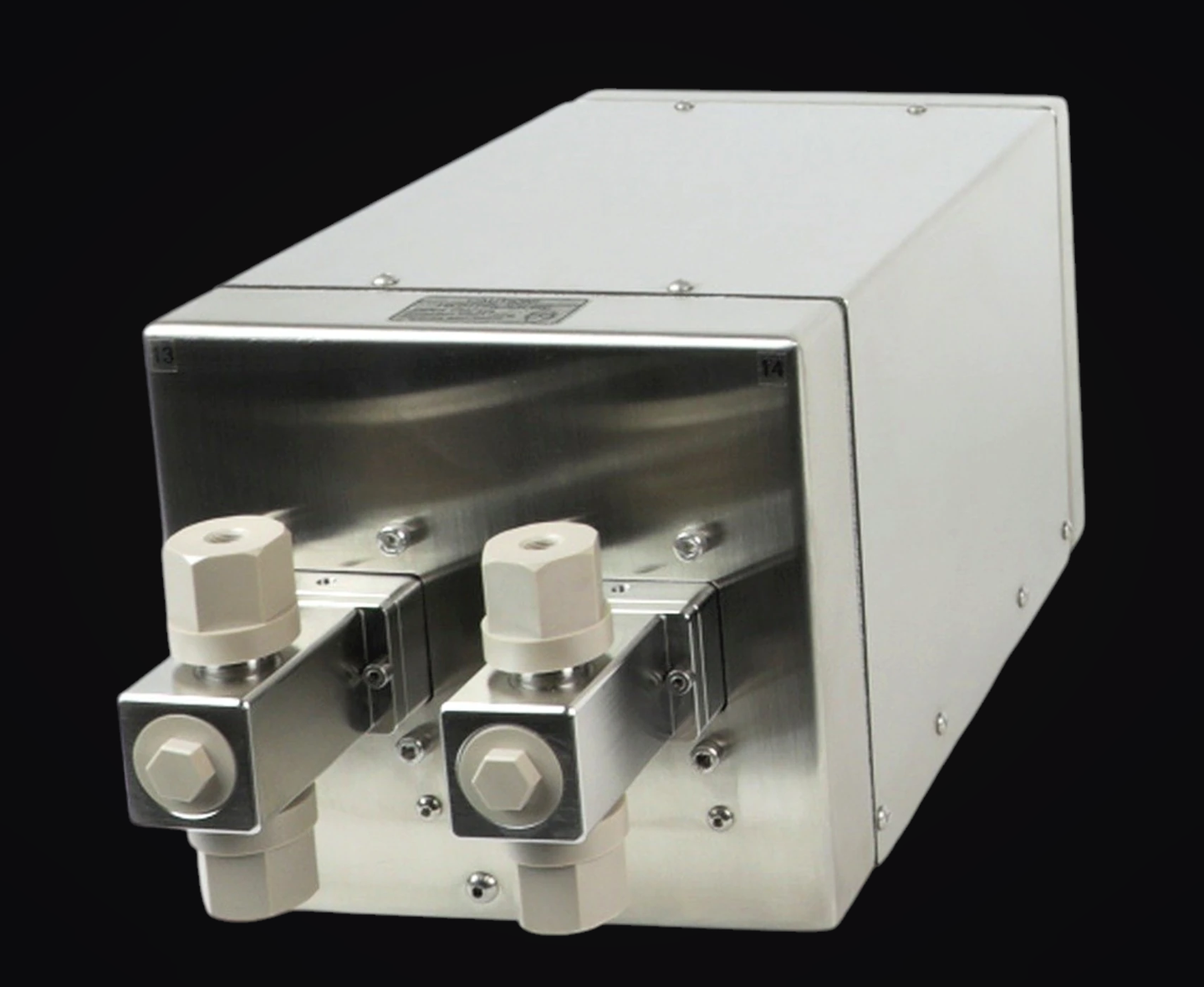
Automation projects benefit from early definition of the process requirement, available footprint and required interfaces. A component chosen without those constraints can create avoidable integration work.
The pumping system is one part of a larger station that can include a PLC, conveyance and motion equipment. Controls should be selected to suit the whole cell.
Electronic variable metering pump technology can be incorporated where the OEM requires adjustable dispensing.
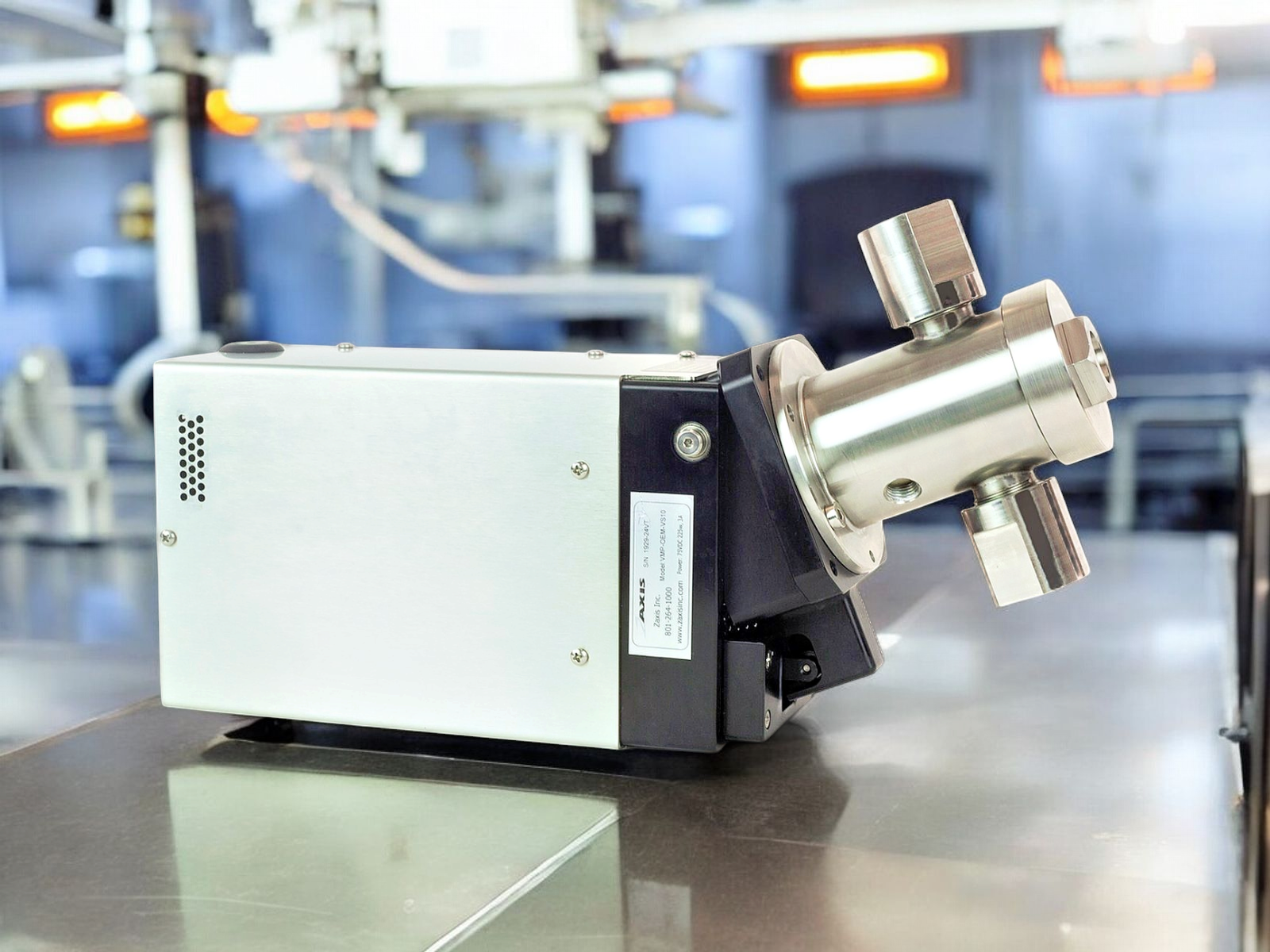
The OEM page names pump-head types and sizes, drives, flow rates and wetted-path materials.
TSi is the detachable Touch Screen Interface for programming, teach and control.
The system is electronically adjustable, reducing manual adjustment between recipes and batches.
The eVmP has one moving part, rated for millions of maintenance-free cycles.
Zaxis offers M-Series, V-Series, VS10-Series and enclosure configurations.

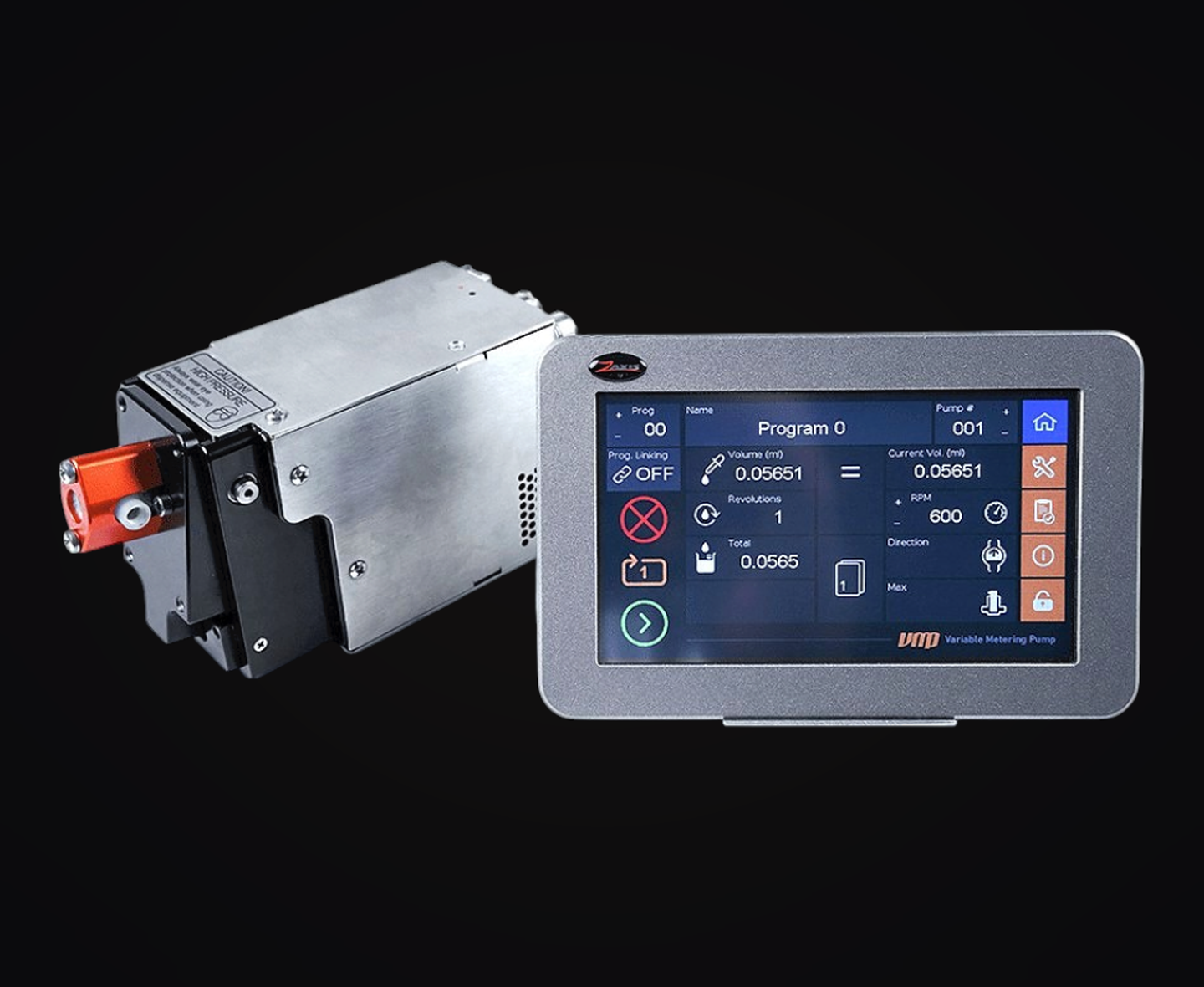 eVmP M-SeriesMicroliter metering from 2.5–100 µL per revolution.
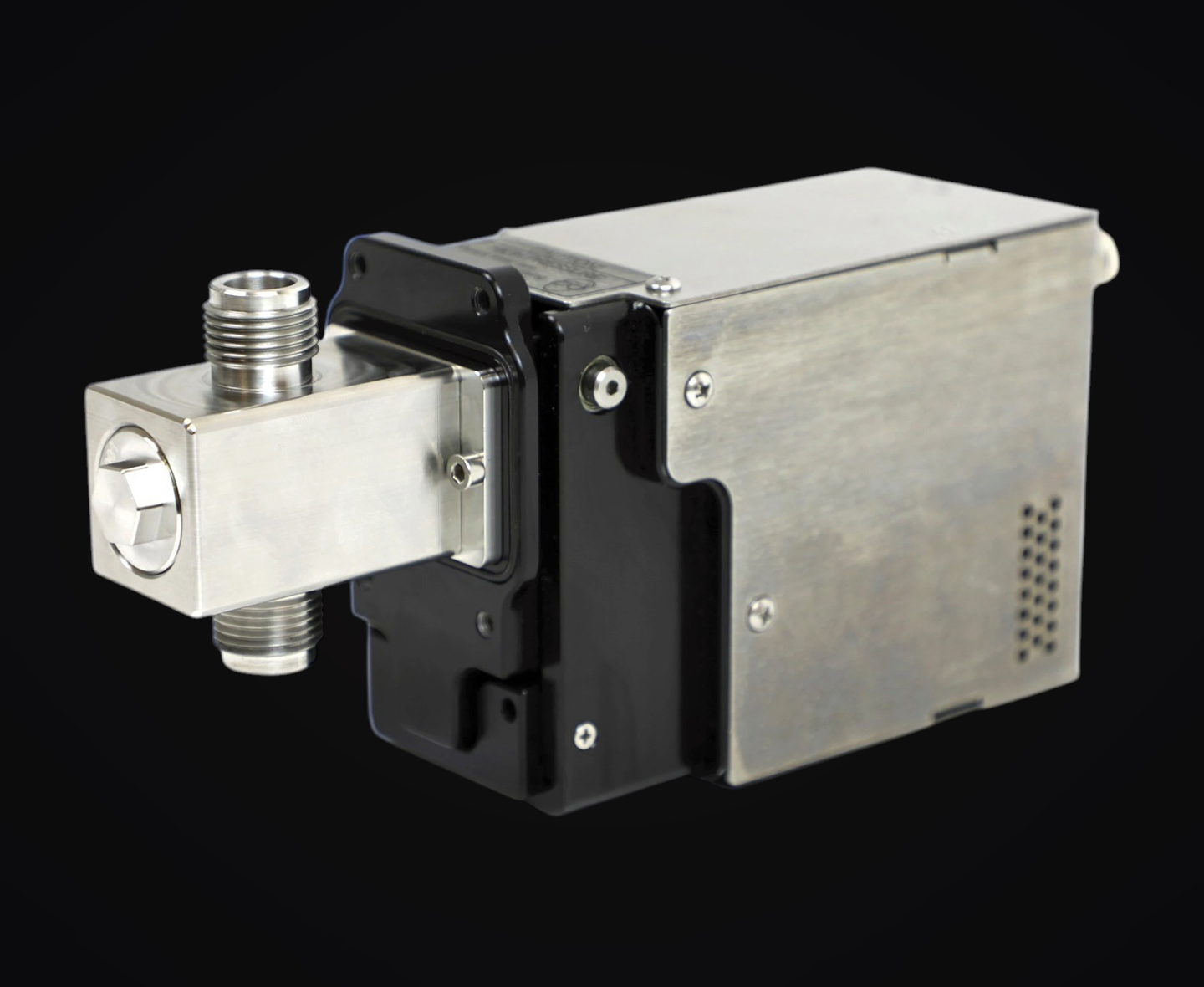 eVmP V-SeriesMilliliter metering up to 1,920 mL/min on the VS drive.
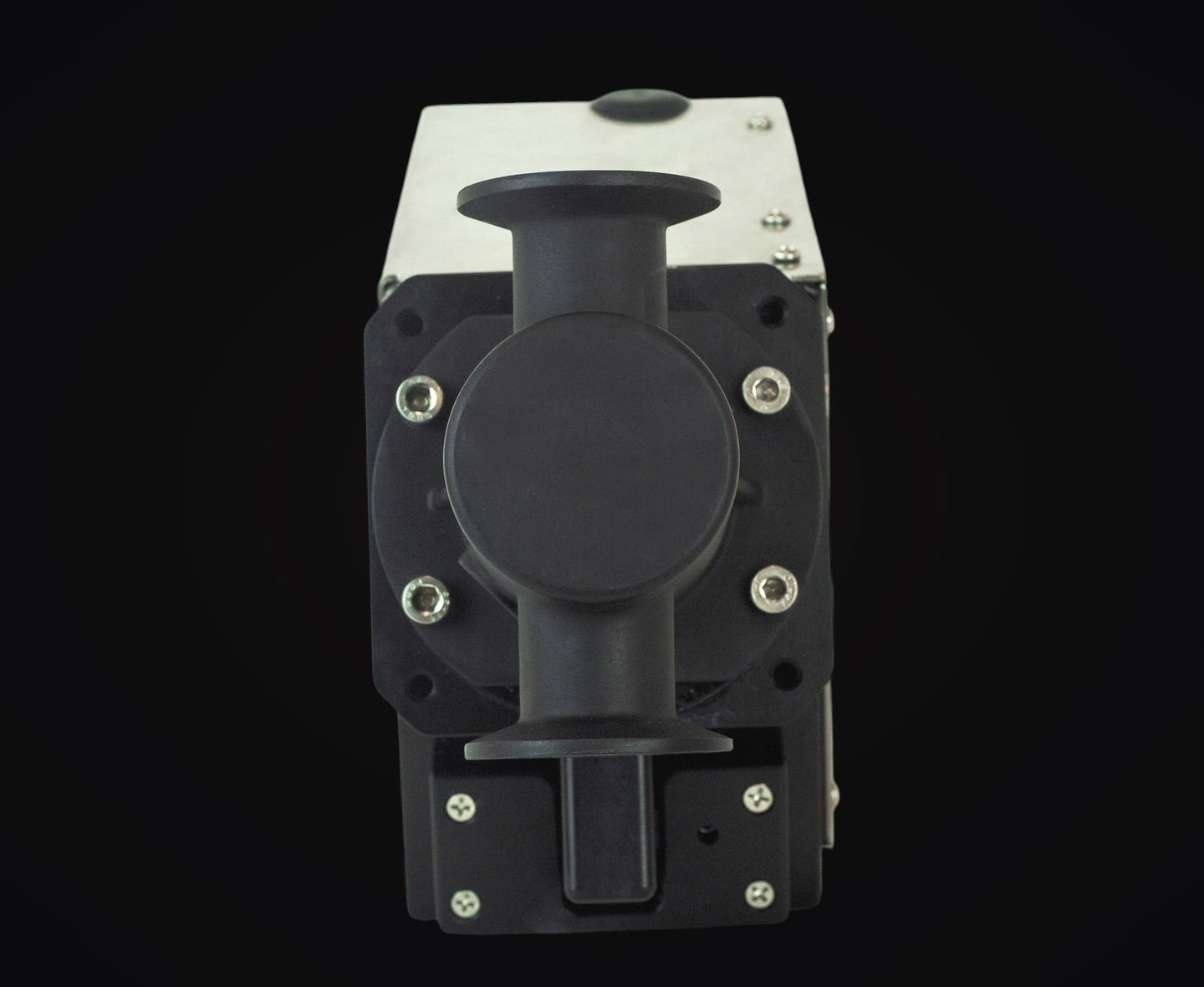 eVmP VS10-SeriesNearly 10 mL per stroke and up to 10 L/min.
