Automotive brake disc and component for leak testing

Industry Solutions

Automotive Leak Testing

Automotive production uses air leak testing to catch faulty components before they ship.

Automotive assemblies contain interconnected components that must work together safely and efficiently.

Zaxis automotive leak testing helps manufacturers identify faulty parts during factory quality control rather than after components reach a customer.

Automotive OEM clients rely on assemblies that perform safely, efficiently and without error. A leak or flaw can compromise performance, increase emissions, decrease fuel efficiency or cause system shutdown.

Zaxis is a USA manufacturer of automotive leak-test equipment. High-speed testers can complete many leak-test cycles in less than a second, allowing factory quality control before parts reach a customer.

Request for Quote

What gets tested

Automotive parts can include fuel, intake, exhaust, powertrain and electrical assemblies.

Zaxis provides production leak-testing solutions for automotive components and can certify equipment to specific IP rating requirements.

Automotive components include fuel tanks, fuel injectors, exhaust manifolds, intake manifolds, engine blocks, cylinder heads, powertrain parts, electrical components, EV batteries, airbags and airbag assemblies.

•Fuel tanks•Fuel injectors•Exhaust manifolds•Intake manifolds•Engine blocks•Cylinder heads•Powertrain components•Electrical components•EV batteries•Airbags and airbag assemblies

Methods used

Choosing the method

Automotive parts must handle changing temperatures, road exposure and functional pressure, so the method and fixture should reflect the assembly being tested.

Pressure decay

Pressure decay checks a sealed automotive component by pressurizing it with gas and monitoring pressure loss. It applies to air springs, fuel-system parts, engine components and other closed assemblies.

Configurable pressure parameters let the test reflect the component rather than a generic bubble observation.

Pressure decay explained →

Vacuum decay

Vacuum decay monitors a component after evacuation and can test air intake manifolds or sealed EV elements. A semi-automated manifold cell completed vacuum decay with poka-yoke functions in under 30 seconds.

The method is non-destructive and suited to assemblies where the sealed volume can be controlled.

Vacuum decay explained →

Mass flow

Mass flow measures gas moving through the component, so it can support automotive parts with a designed flow path. The result is compared with expected flow at the required condition.

It is one option alongside pressure or vacuum decay when the application needs a flow-based measurement.

Mass-flow testing explained →

Automotive manufacturing requirements

Zaxis equipment can be certified to specific IP rating requirements.

Zaxis products complete many leak-test cycles in less than a second.

Automotive air leak tester options include the Zaxis 7i, Isaac HD, iKit and Zaxis PD. Zaxis can certify equipment to specific IP rating requirements.

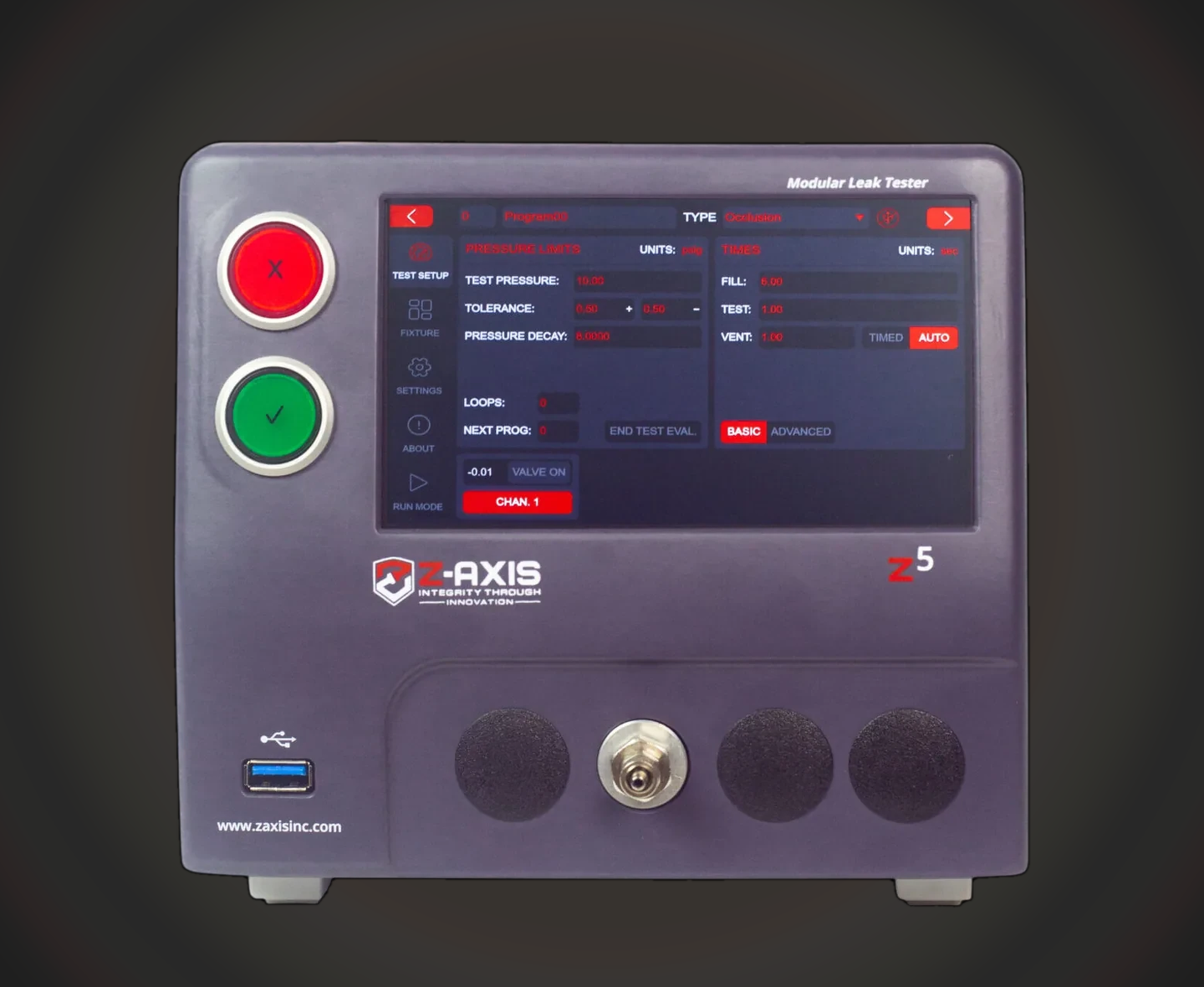
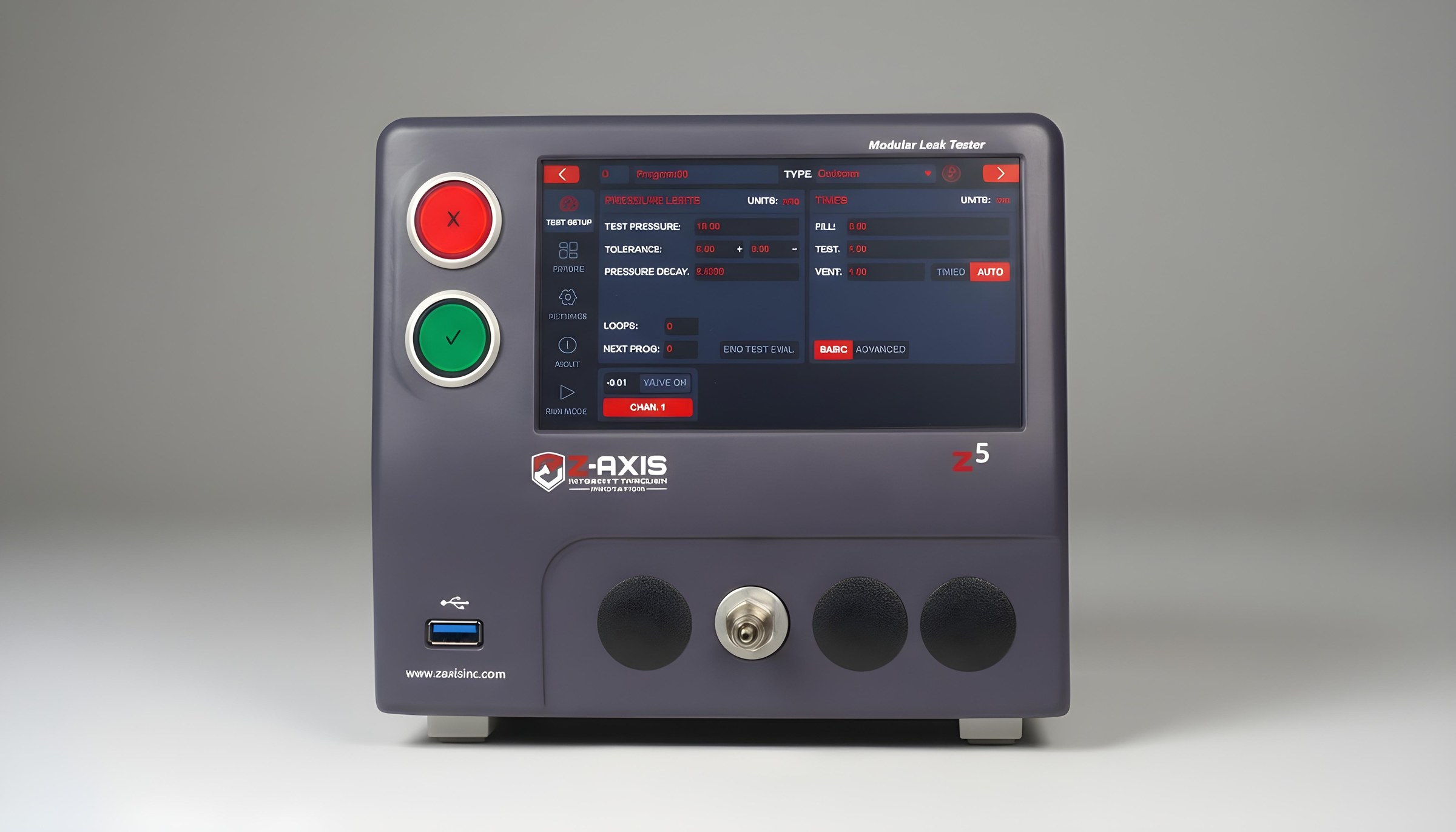
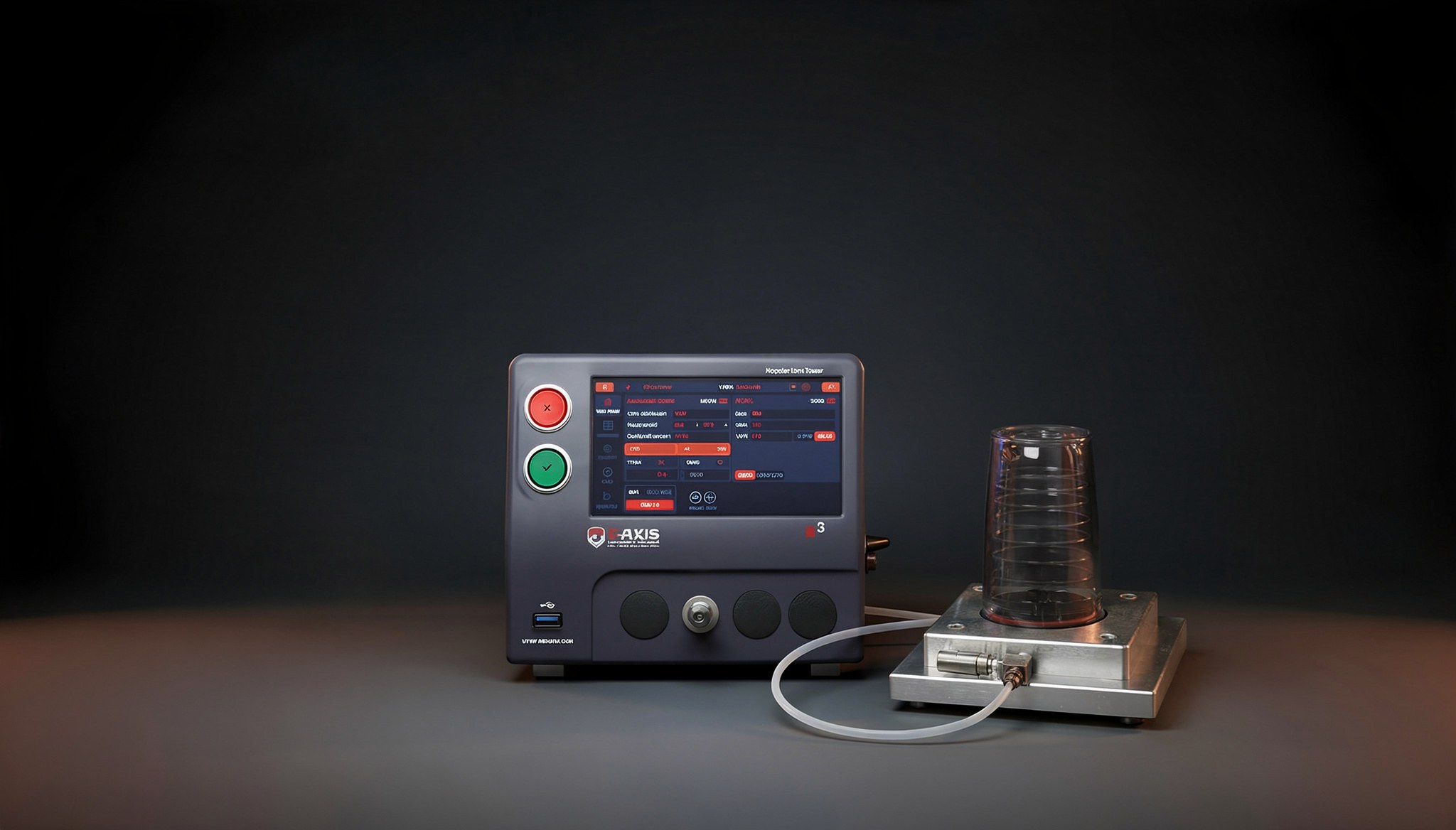
Zaxis Z5 leak tester for automotive validation

In depth: automotive assemblies

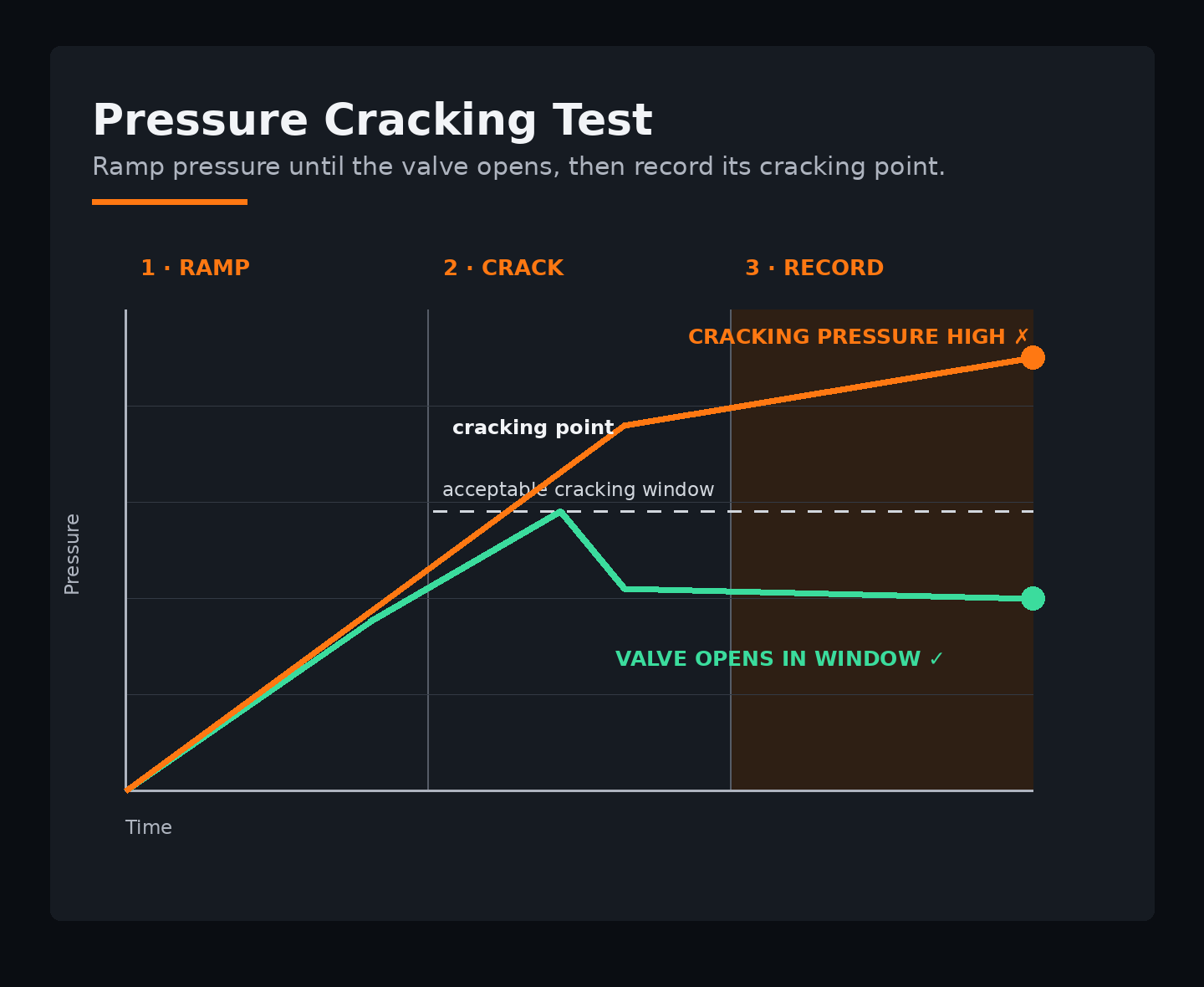
Pressure-rise testing for fuel regulators

A fuel regulator maintains consistent fuel pressure for steady engine operation. A small leak can reduce reliability, increase emissions and introduce a safety concern, so the test needs to find faults before the part proceeds through production.

Pressure-rise testing evaluates a sealed system by applying controlled conditions and monitoring for a pressure increase caused by air entering the system. The method is non-destructive and is intended to detect small leaks in closed systems.

For a regulator program, establish a consistent seal and pressure condition around the component. The resulting test gives the manufacturing team a defined result instead of relying on a visual inspection.

Pressure testing graph for fuel-regulator validation

Testing traction batteries through the build

A traction battery begins with electrolyte-filled cells that may be round, prismatic or pouch shaped. Cells form modules, modules form packs, and packs are placed in a housing at the end of the manufacturing process. Each stage has its own leak-tightness concern.

Very low leak rates are needed at the cell level, where vacuum, burst and accumulation-chamber methods can be used. Modules, packs and housings may be cooled with water-glycol or air-conditioning refrigerant, and a leak in that circuit can create a short-circuit risk.

The housing protects the battery from outside conditions, so the finished enclosure also needs an ingress-focused test. Testing throughout the build connects cell integrity, cooling protection and enclosure performance.

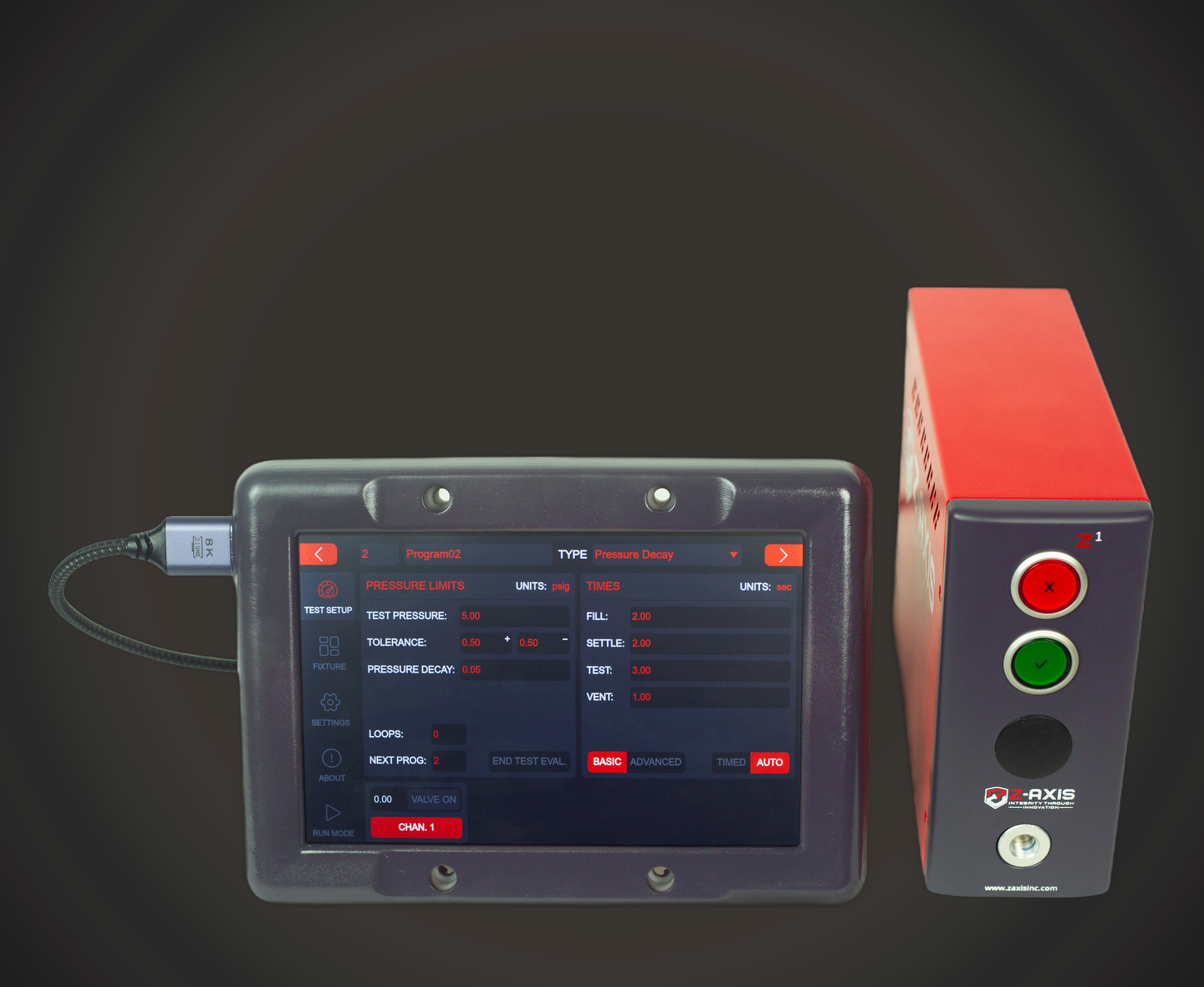
Zaxis Z5 multi-channel leak tester for battery-line test stations

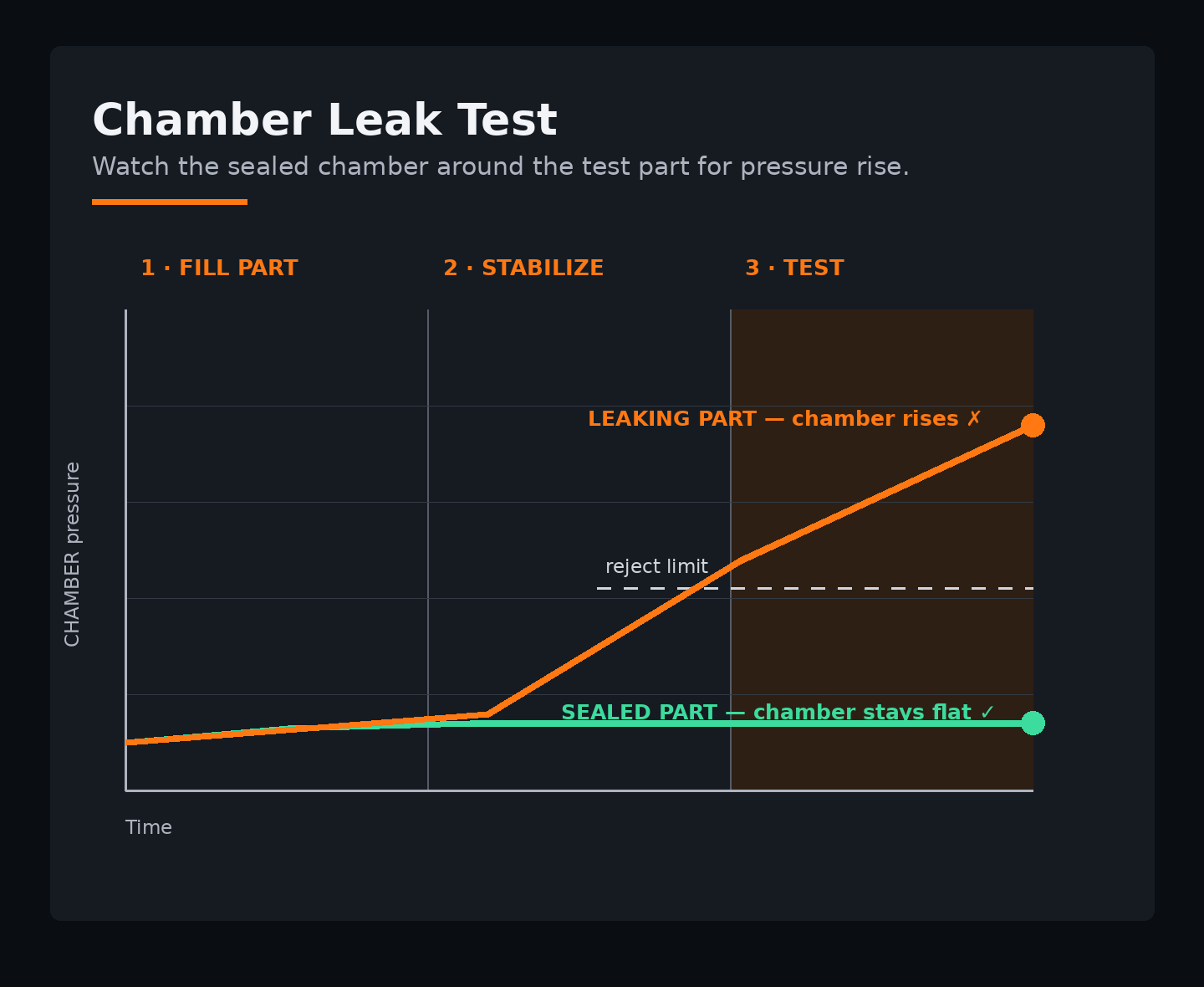
Using pneumatic testing for ingress protection

Ingress protection codes use the letters IP followed by two digits. The first digit addresses solid ingress from 0 through 6, with 6 meaning dust tight; the second addresses liquid ingress from 0 through 9, including protection from powerful high-temperature water jets at 9.

Physical IP water tests can be time-consuming and destructive. Pneumatic testing offers a way to validate an IP rating without submerging the component, helping teams test sealed automotive electronics and other enclosures without damaging them.

Function, form and environment still drive the fixture and test choice. A backup camera, for example, needs an approach that considers its sealed assembly and expected service exposure.

Chamber leak-test graph for ingress-protection validation

Managing complex assemblies and cavities

Automotive products can include interconnected components that act as a single system, such as valve assemblies, fluid-handling systems and electronic enclosures. These designs need testing that protects the complete assembly while preserving the purpose of each connection.

Discrete cavities are isolated areas within an assembly, including chambers in fuel systems. Each can need its own measurement, because a result from one cavity does not demonstrate the condition of another isolated space.

A fixture can isolate the required cavity and apply a repeatable pressure or vacuum condition. This approach helps manufacturing teams assess complex products without treating every assembly as one undifferentiated volume.

Sealed enclosure for complex automotive assembly testing

Applications in this industry

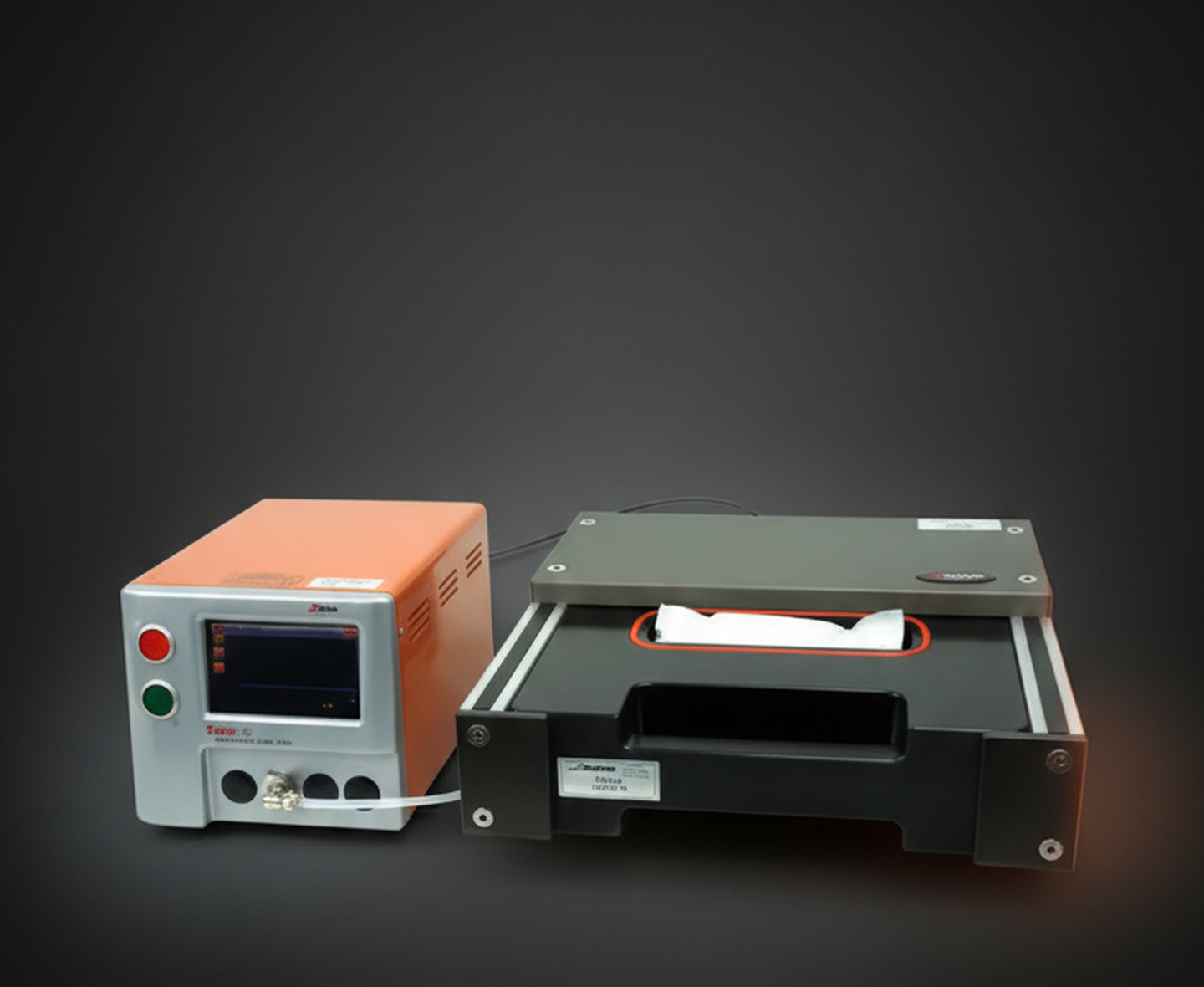
Zaxis Z5 leak tester with a sealed test fixture on the bench

Fuel systems

Fuel tanks, fuel injectors and intake and exhaust manifolds are pressure- or vacuum-decay tested in the factory, so faulty parts are caught before they ship.

Zaxis 7i leak tester connected to a production test fixture

Powertrain assemblies

Engine blocks, cylinder heads and powertrain components run on high-speed testers; many Zaxis leak-test cycles complete in less than a second.

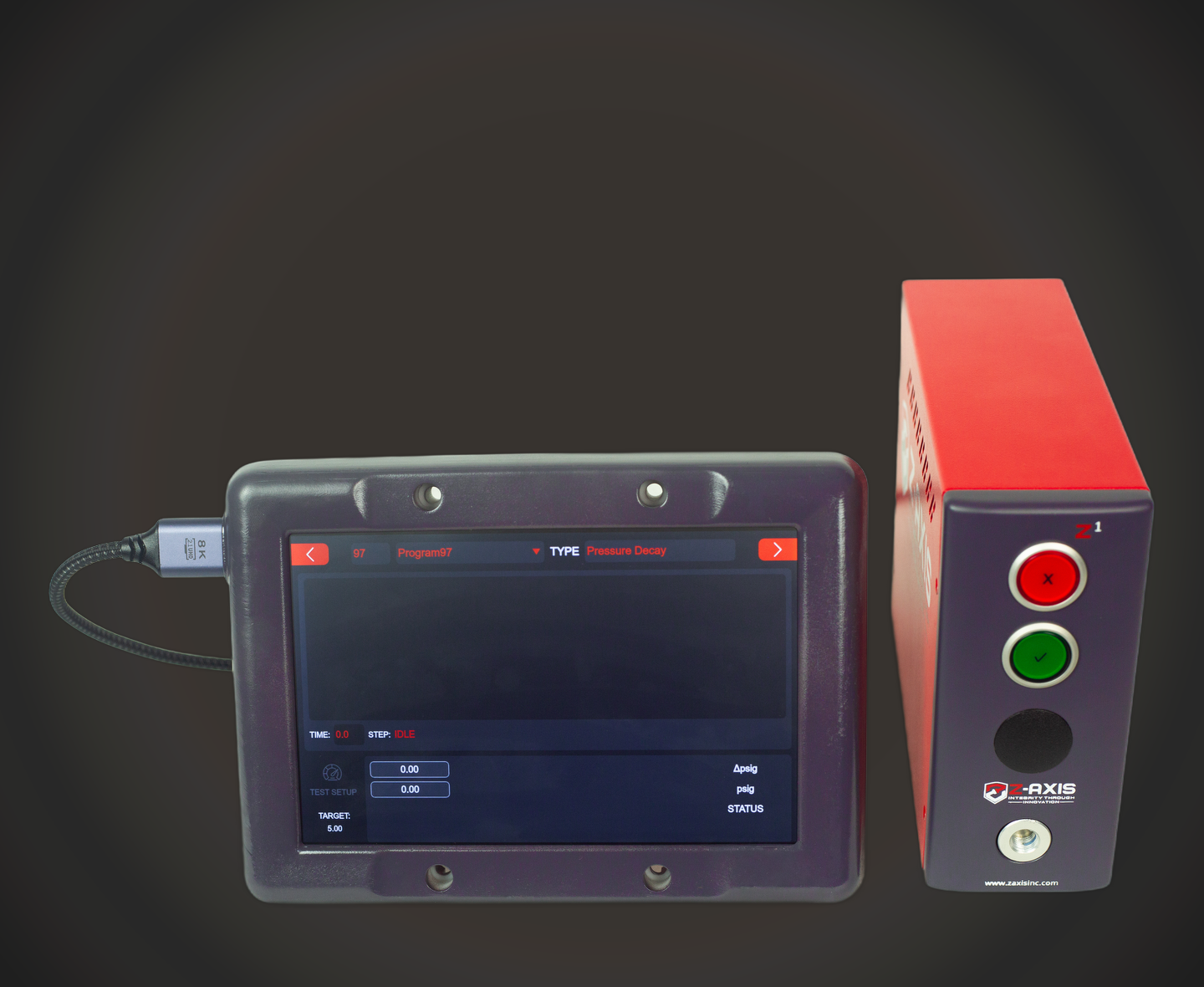
Zaxis Z1 machine-integration leak tester for automated cells

Electrical and EV systems

Electrical components, EV batteries and airbag assemblies are tested for seal integrity, and Zaxis can certify the test equipment to specific IP rating requirements.

Automotive Leak Testing FAQ

Which automotive components can receive a Zaxis leak test?

Zaxis supports fuel tanks and injectors, exhaust and intake manifolds, engine blocks, cylinder heads, powertrain parts, electrical components, EV batteries, airbags and airbag assemblies.

Why test automotive parts before they ship?

Factory leak testing can catch faulty components before shipment, avoiding compromised performance, increased emissions, reduced fuel efficiency or a system shutdown.

Which Zaxis testers are available for automotive manufacturing?

Automotive options include Zaxis 7i, Isaac HD, iKit and Zaxis PD, selected around the part and production requirement.

How fast can a Zaxis automotive leak tester cycle?

Zaxis products can complete many leak-test cycles in less than a second for high-speed automotive manufacturing.

Can automotive equipment be certified to IP requirements?

Zaxis can certify automotive leak-test equipment to specific IP rating requirements.

How does pressure-decay testing find an automotive leak?

The component is pressurized with gas and monitored for pressure decay, which indicates a leak.

When is vacuum decay used on an automotive component?

Vacuum decay evacuates the component and monitors the vacuum for decay, which indicates a leak.

What does mass-flow testing measure in an automotive part?

Mass-flow testing measures gas flow through the component; a deviation from the expected flow rate indicates a leak.

Why test EV batteries at more than one assembly stage?

Cells, modules, packs, cooling circuits and housings each have different leak-tightness and protection needs during battery production.

What does a pressure-rise test look for in a fuel regulator?

It monitors a sealed system for pressure increase caused by air entering through a leak.

How can pneumatic testing support an automotive IP target?

It can validate ingress performance without a destructive water test when the part, fixture and target condition are properly defined.

Ready to Ensure Product Integrity?

Request for Quote
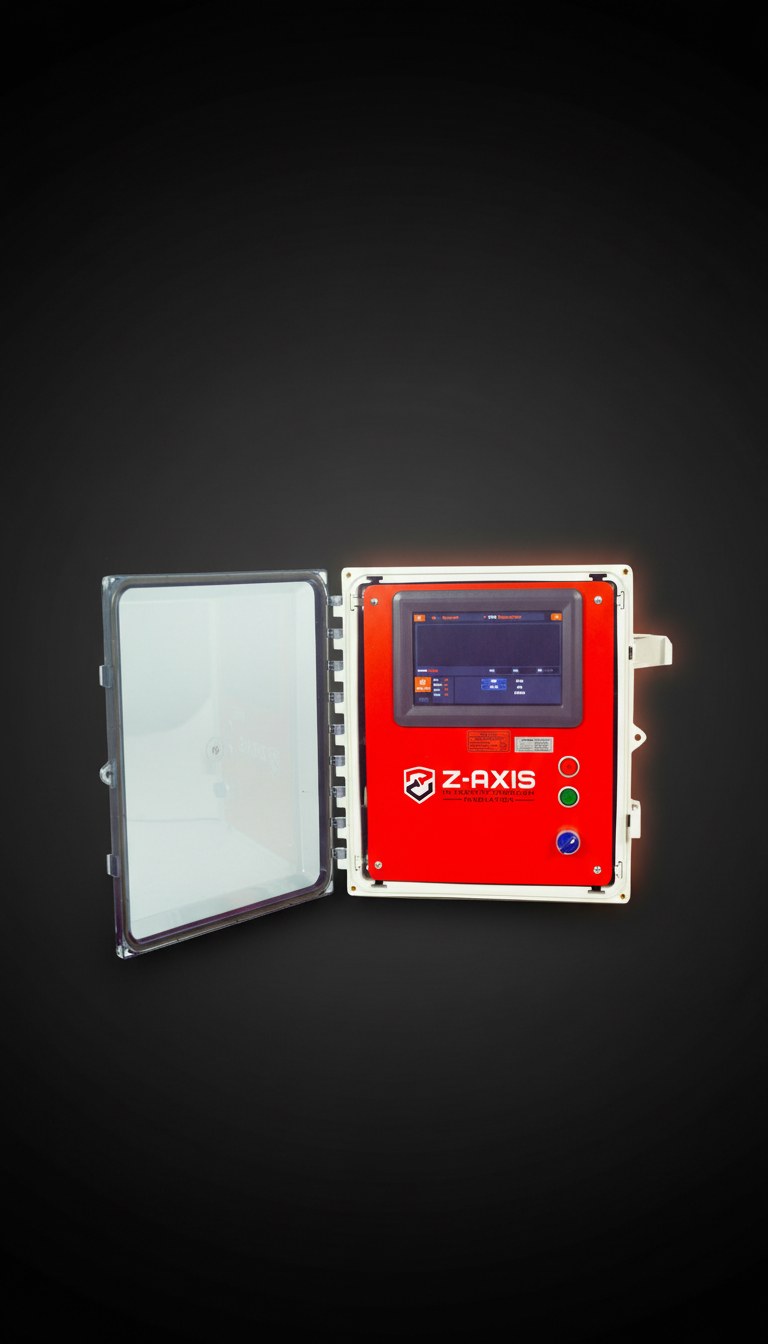
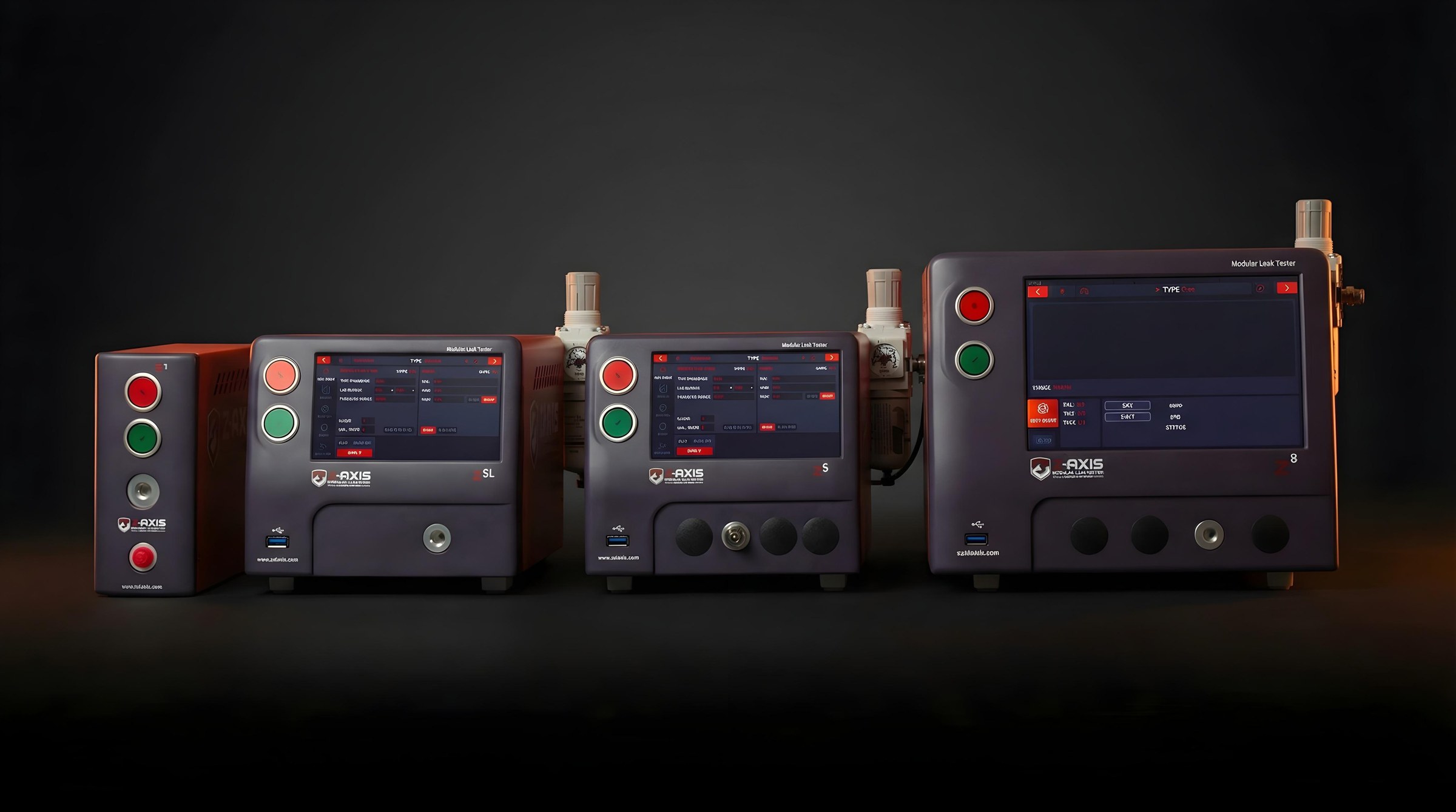
Zaxis air leak tester product lineup