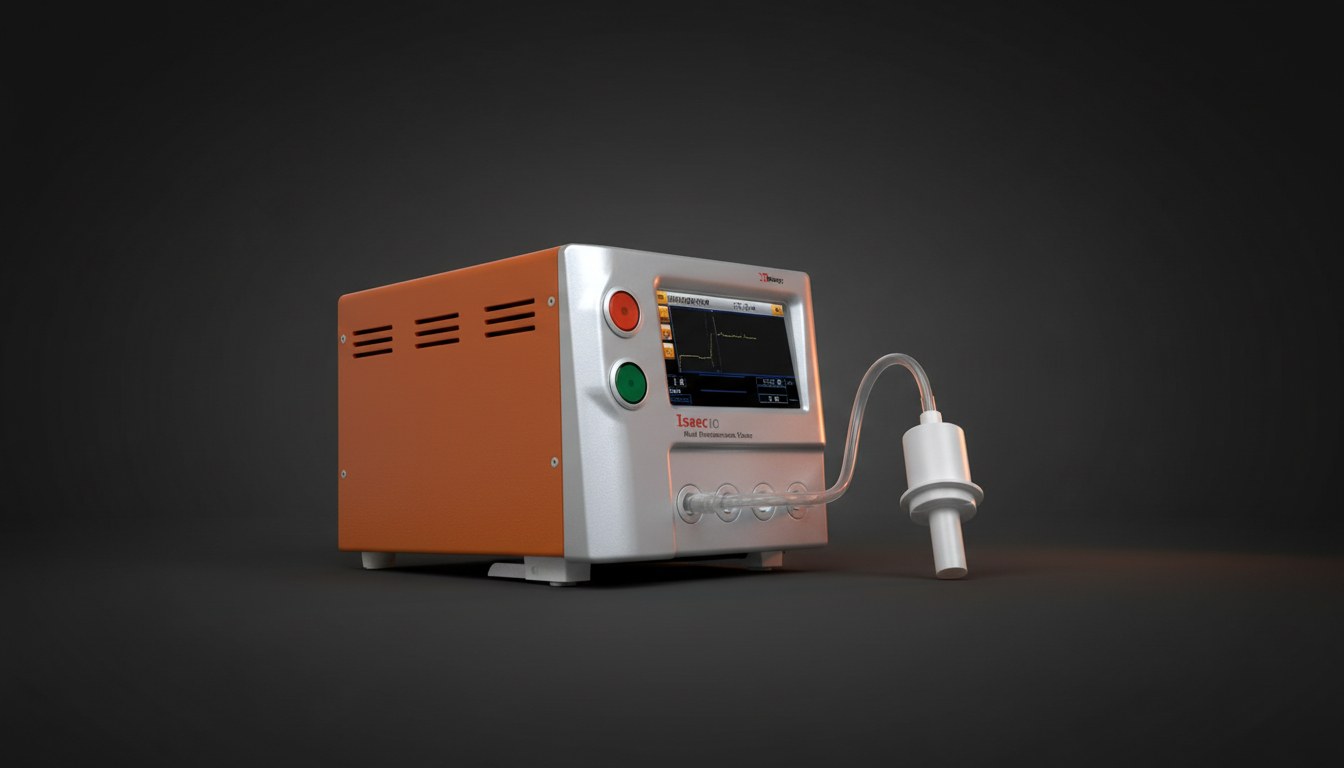
Medical tubing and catheter components for leak testing

Industry Solutions

Medical Device Leak Testing

Medical-device manufacturers use rigorous leak testing to support product quality for components used in patient care.

Medical devices and equipment require high-quality manufacturing because a failure can have life-threatening consequences for patients.

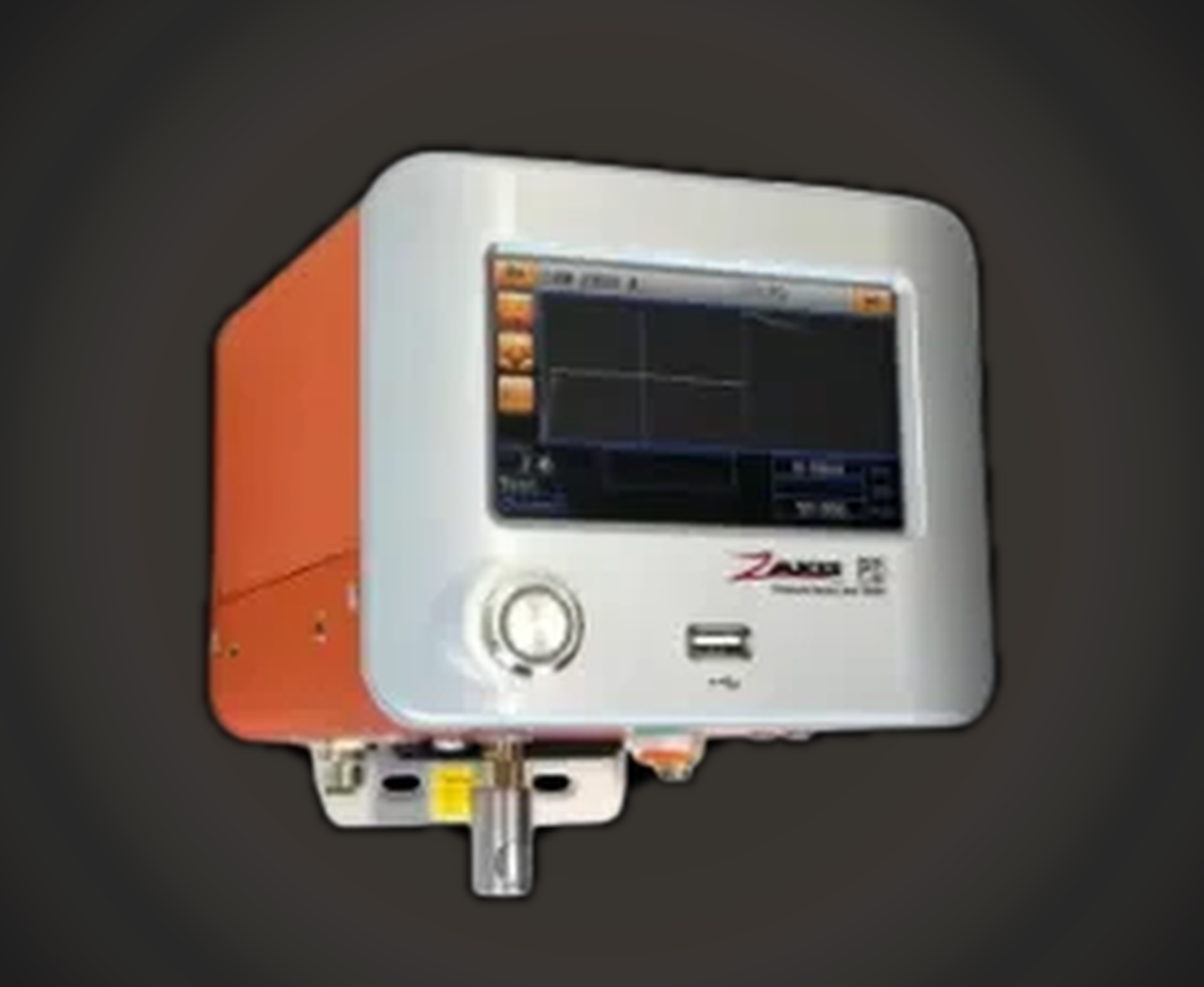
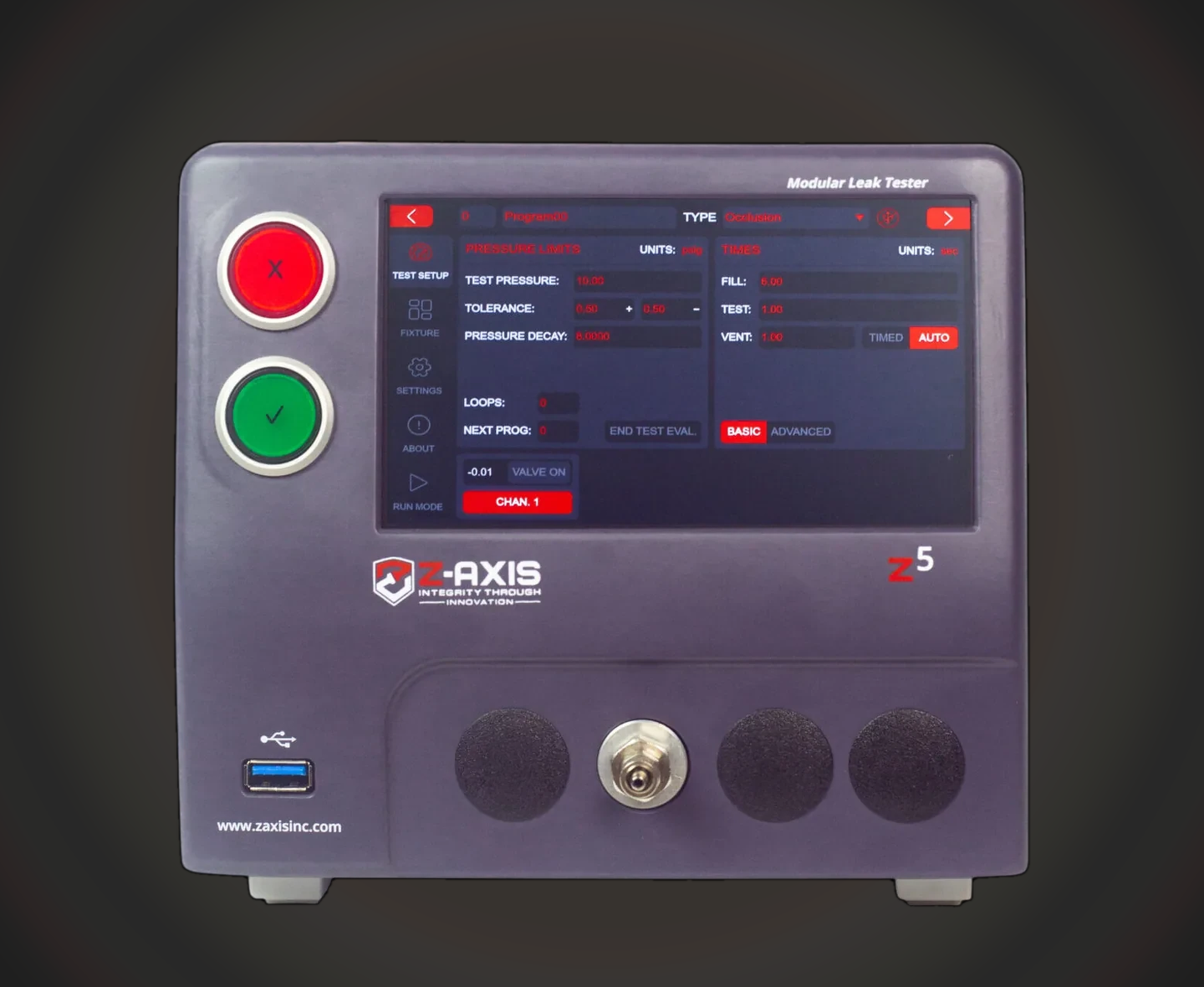
Zaxis leak testers are configurable for applications from small disposable supplies to large diagnostic equipment.

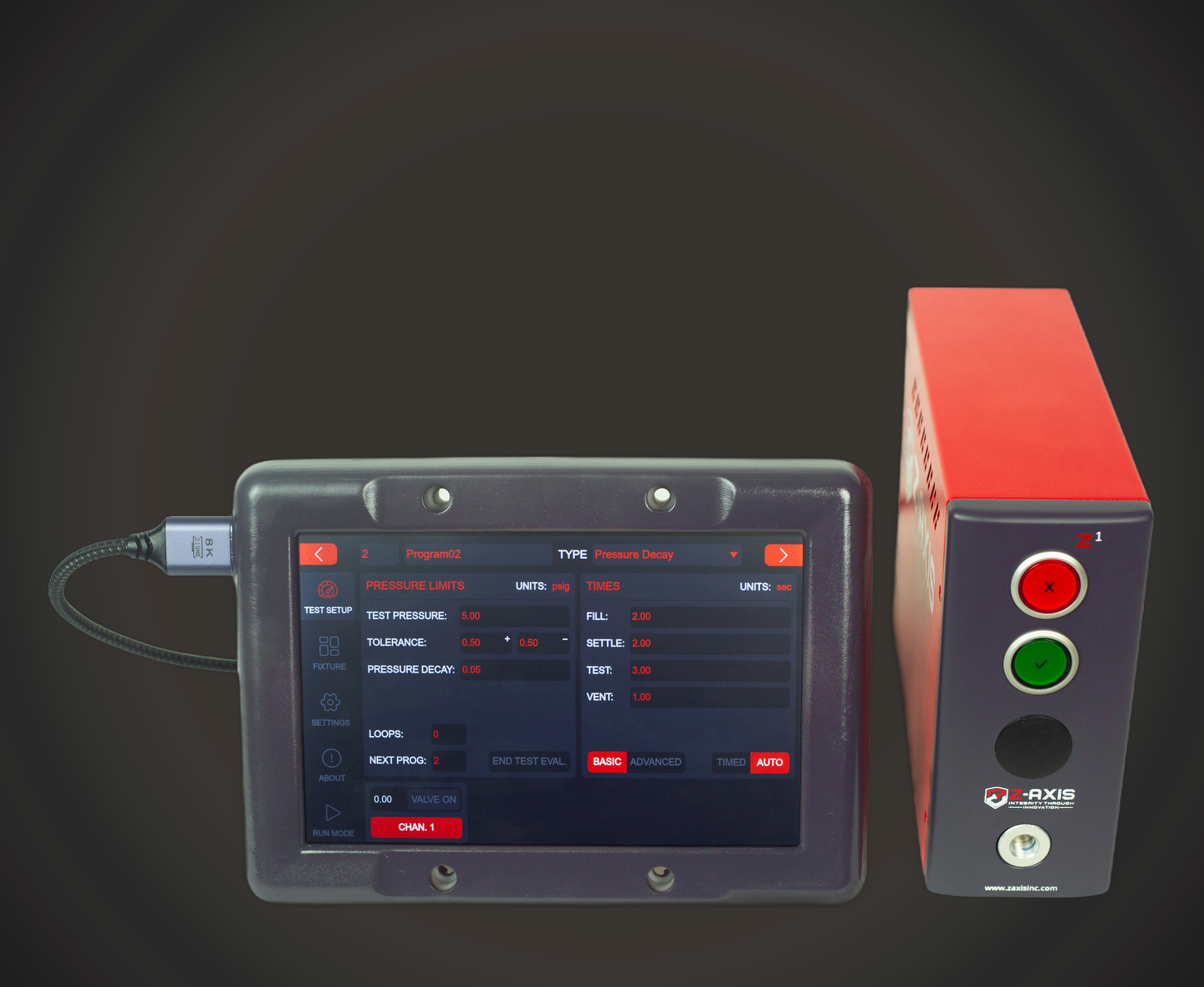
Zaxis leak testers offer a broad selection of pressure ranges and flow rates. Easy installation and operation, multiple channels, and multiple test types can streamline a medical-device manufacturing process.

Vacuum-decay capability is available in medical-device configurations including Zaxis PD, iKit, Isaac HD and Zaxis 7i. These non-destructive testers can be incorporated into a quality-control process.

Request for Quote

What gets tested

Medical manufacturing includes fluid-handling components, catheters, bags, pumps and diagnostic equipment.

Zaxis equipment supports decay testing, vacuum decay, mass flow testing and occlusion testing for medical applications.

Medical manufacturers often leak-test finished products before public use. Examples include catheter tip seals, IV administration sets, tubing sets, catheter bags, IV pumps, ventilators, catheter luers, fluid/blood bags, sensors, multi-lumen catheters, filters, stopcocks, diagnostic reagent kits and one-way check valves.

•Catheter tip seals•IV administration sets•Tubing sets•Catheter bags•IV pumps•Ventilators•Catheter luers•Fluid and blood bags•Sensors•Multi-lumen catheters•Filters•Stopcocks•Diagnostic reagent kits•One-way check valves

Methods used

Choosing the method

Medical parts range from flexible bags and small lumens to ventilator assemblies, so the test must match both the flow path and the validation requirement.

Pressure decay

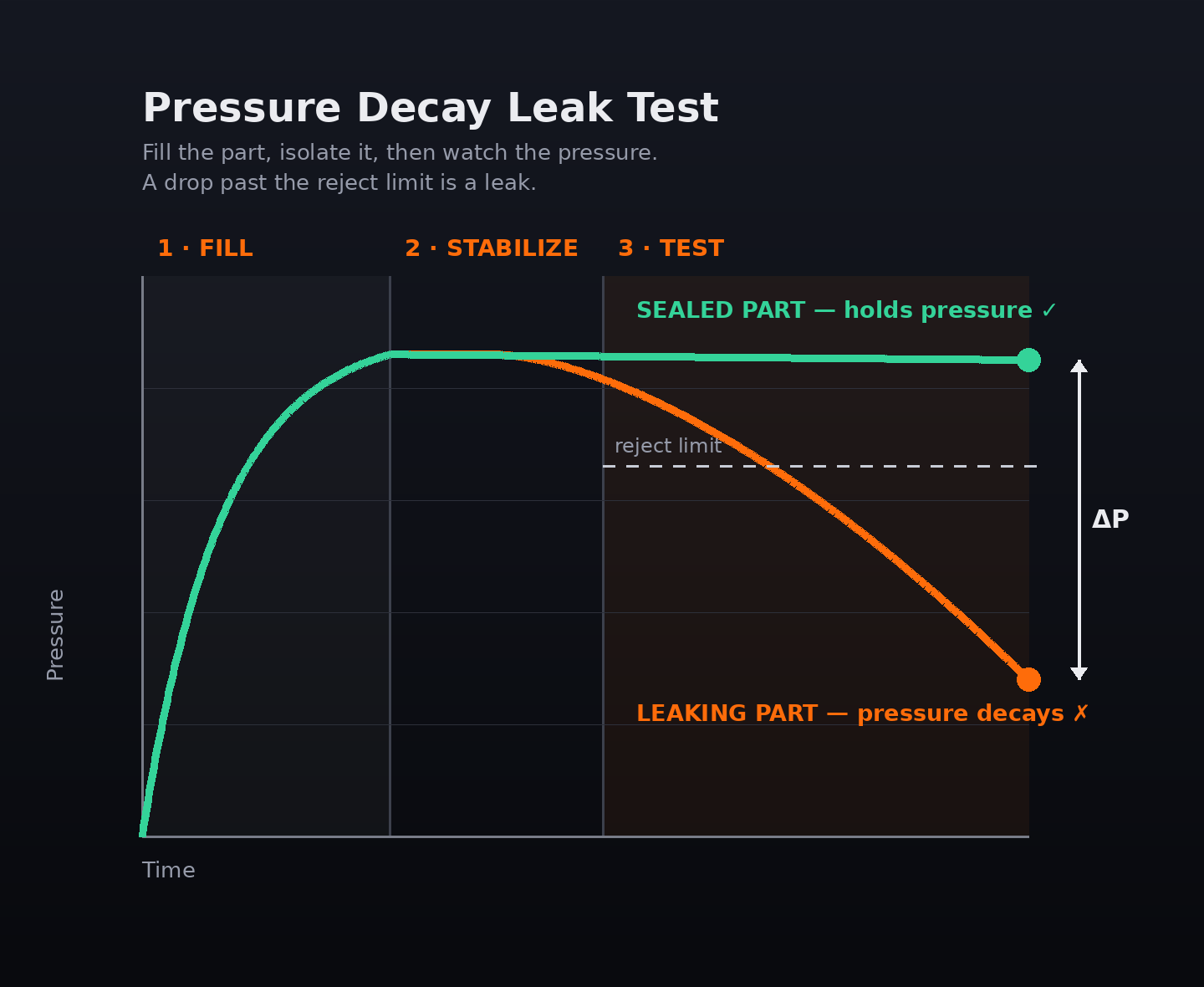
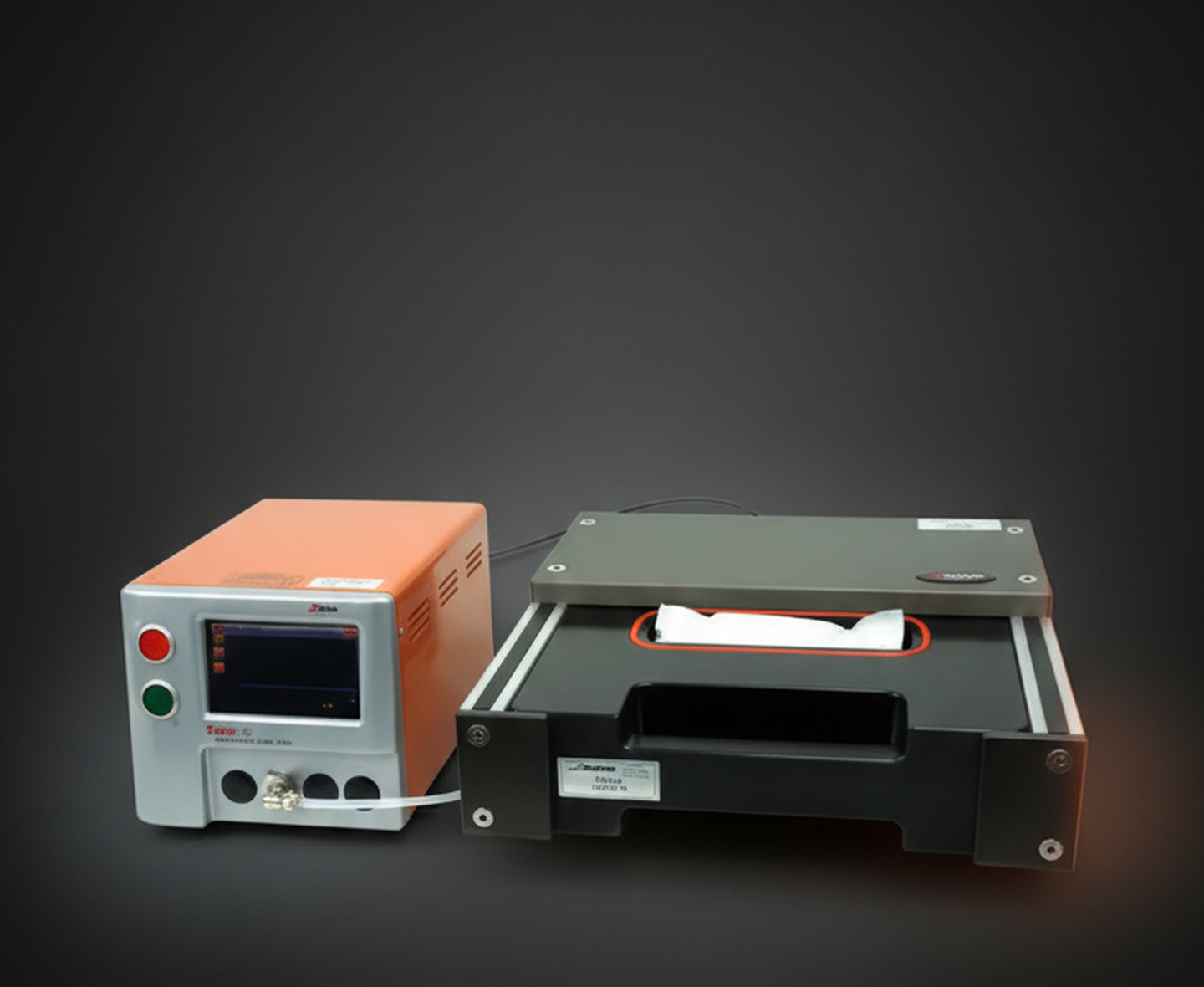
Pressure decay is commonly used for medical fluid bags. The bag is restrained in a plate fixture to limit elastic creep and stretching before pressurized air is evaluated for a pressure decrease.

It also provides a non-destructive route for catheter correlation work where air results are compared with a liquid-pressure requirement.

Pressure decay explained →
Vacuum decay

Vacuum decay suits medical parts that need a non-destructive pneumatic test, including balloon and multi-lumen catheters. The product is evacuated and the tester monitors for a loss of vacuum.

Vacuum decay explained →

Mass flow

Mass flow measures air moving through an open path, making it useful for catheters and other tubing-based devices. A flow value below the set limit can reveal a blockage rather than an exterior leak.

Mass-flow testing explained →

Occlusion testing

Occlusion testing checks for blockages in open terminal parts such as medical catheters. Air-flow, back-pressure or pressure-drop techniques compare the measured result with the acceptable limit.

Occlusion testing explained →

Quality and validation

Zaxis can help manufacturers adhere to FDA or ASTM requirements as needed and meet in-house requirements.

Zaxis is ISO 9001:2015 certified, REACH and RoHS compliant, and certified Made in USA.

Meeting FDA, ASTM and in-house requirements calls for dedication to quality and continual refinement of processes for medical-device manufacturers.

Zaxis provides USA-made leak-testing equipment and supports medical applications from disposable supplies to large diagnostic equipment.

✓FDA✓ASTM✓ISO 9001:2015✓REACH✓RoHS✓Made in USA

In depth: medical devices

Pressure-decay testing for flexible fluid bags

IV bags, blood bags, feed systems, ostomy bags and airway products use flexible materials with ports, tubes and other components leaving the bag interior. High-volume production can include ultrasonic welding, adhesive bonding or solvent bonding, so the test needs to examine joints, welds and surfaces for flaws, pinholes or perforations.

Pressure decay is the common test approach for these bags. Before testing, restrain the pliant bag in a plate fixture to minimize its pressurized volume, limit elastic creep and prevent stretching. Insert the tester connector into each required port after the bag is secured.

Pressure-decay graph for flexible fluid-bag testing

Pressure decay and back-pressure flow for ventilator tubing sets

A ventilator tubing set connects the patient to the machine through corrugated hoses, pitot tubes that measure patient-side pressure, soft exhalation valves and air filters, all joined with fittings, adhesives and ultrasonic welds. Two defects matter: a leaking seal between assembled parts and an obstruction in the airway.

Pressure decay is the fastest, least expensive check for tube walls and connections. One end of the set is attached to the tester and the other is sealed; the assembly is pressurized to a set value, the supply is shut off, the part settles to reduce thermodynamic and elastomeric effects, and any pressure loss beyond the reject value fails the part.

A back-pressure flow test then finds obstructions: air is supplied at a specific flow rate and the pressure the set generates is compared with a programmed tolerance. Filters, tube diameter and tube length make the acceptable value specific to each design. Because a tubing set is a single-patient consumable, throughput matters, so run both checks in one station on a multi-function tester and keep the tester close to the part to remove hose volume that slows the cycle.

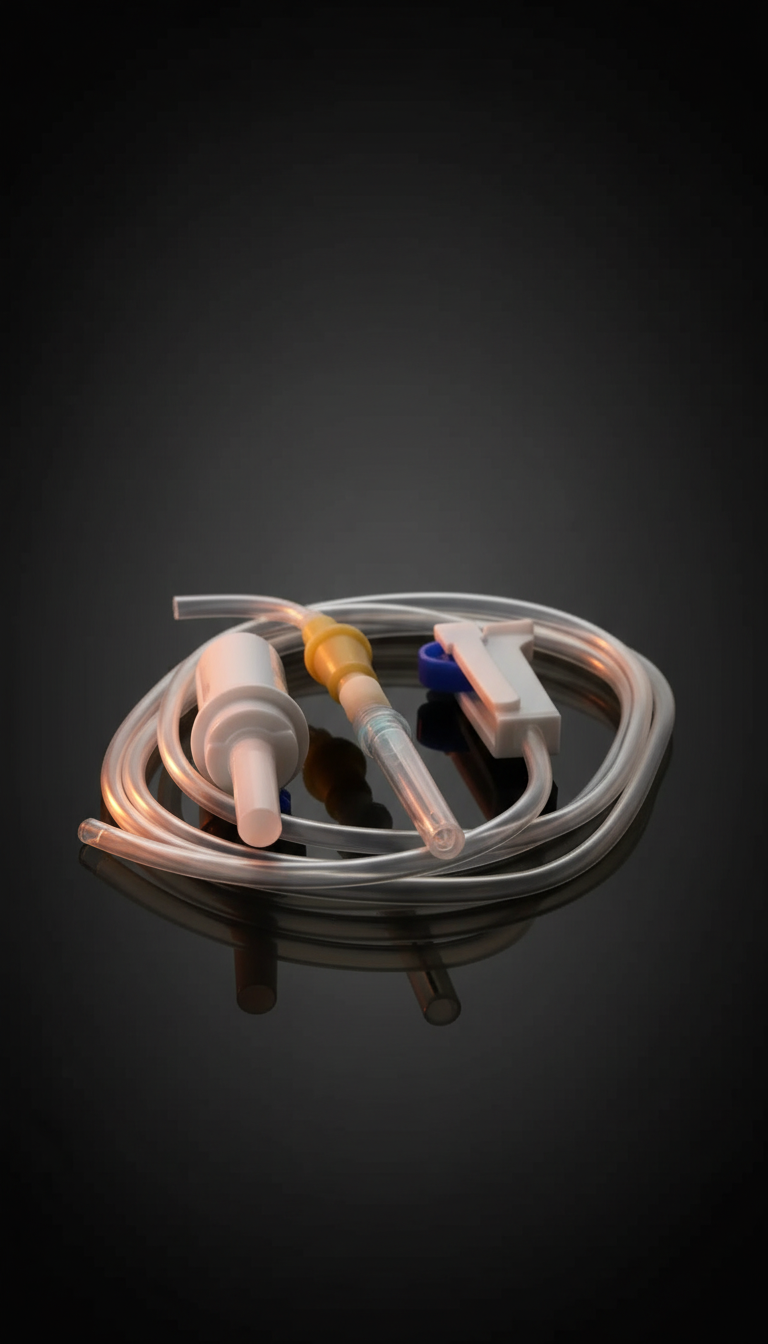
Tubing set staged for leak-test evaluation

Correlating an air test for catheter quality

A catheter program correlated an ISO 10555 liquid criterion with a non-destructive pressure-decay test. The liquid requirement allowed no more than one falling water drop in less than 30 seconds at 3 ATM of liquid pressure.

The evaluation used catheters with 1-to-20-micron holes drilled through the hub into the fluid path. Parts were measured on a flow meter, tested at 15 PSI with pressure decay four times at one-minute intervals, then compared with water.

That sequence connects a controlled air measurement with the product’s liquid-performance requirement.

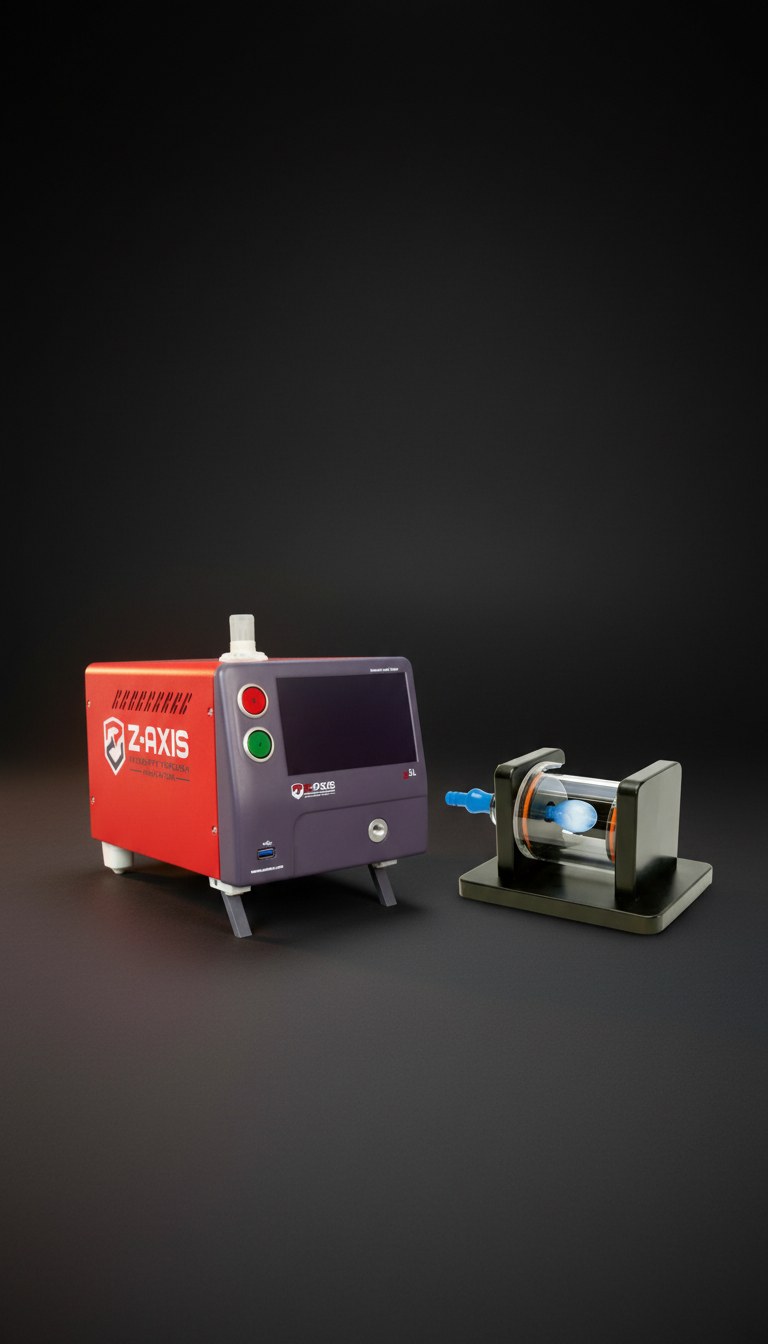
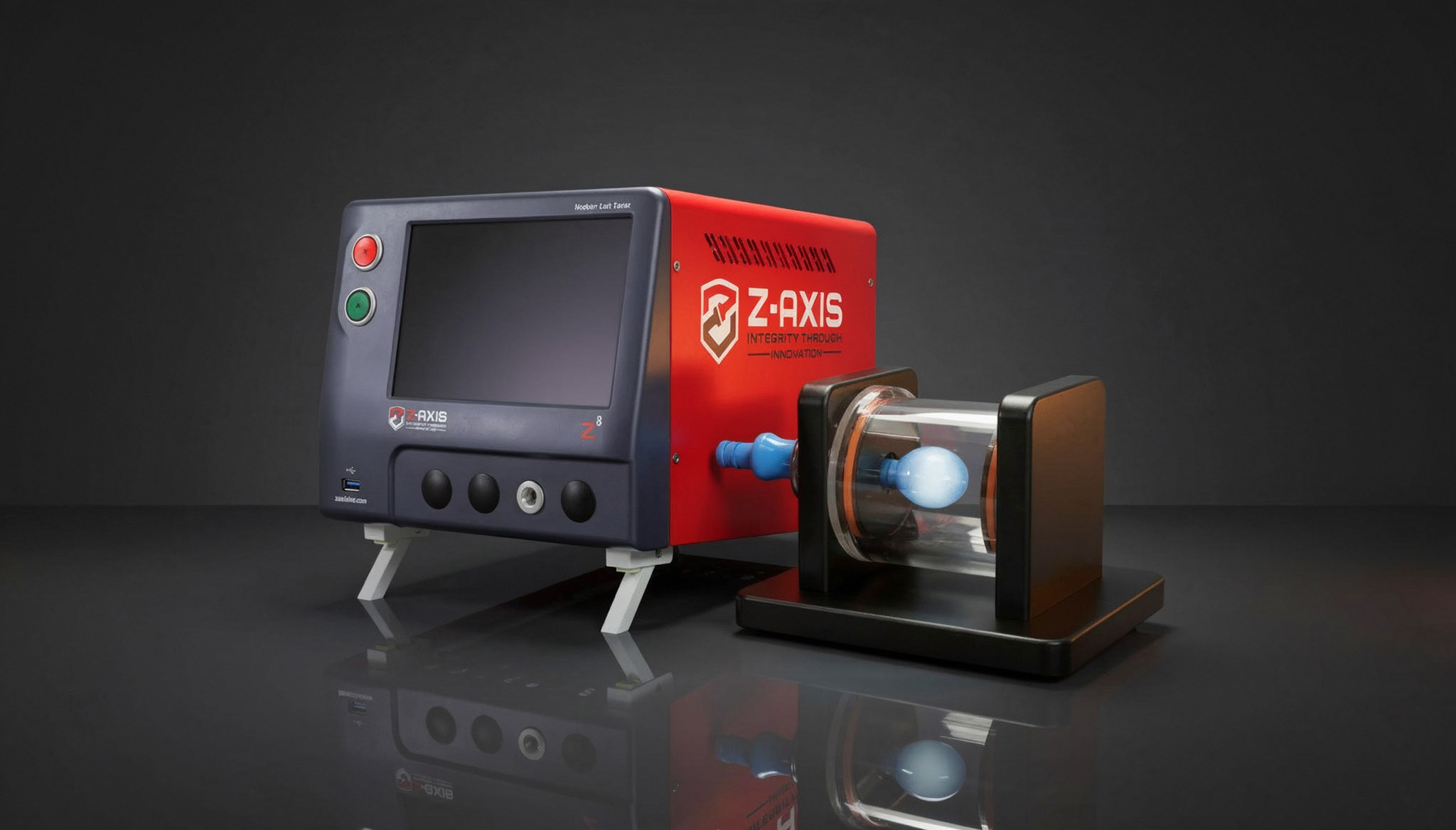
Zaxis Z8 tester staged with a balloon catheter

Keeping catheter paths open

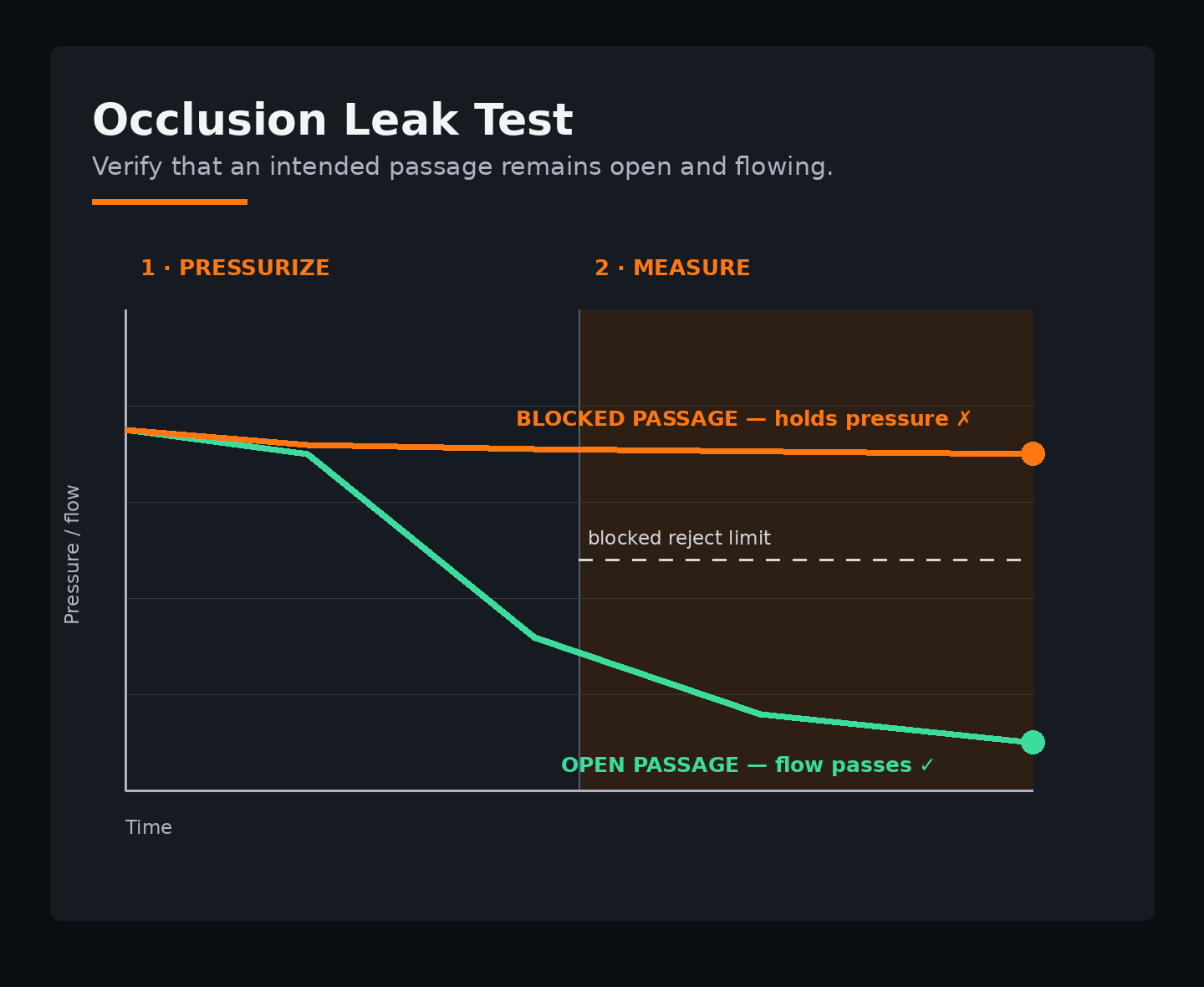
Occlusion testing evaluates a blockage in a test part by measuring air movement through it. For air-flow occlusion, the part reaches a predetermined pressure and a flow sensor records the air flow; a value below the set limit indicates a blockage.

Back-pressure occlusion reverses the view. The system supplies a specific flow rate and measures the pressure required to drive that flow. A blocked path needs more input pressure, so an input value over the permitted limit fails the part.

Pressure-drop occlusion pressurizes the part, then vents it through a downstream port while measuring loss. These techniques suit open terminal parts such as medical catheters.

Occlusion test graph for a catheter flow path

Applications in this industry

Zaxis Z8 leak tester with a balloon catheter in a sealed chamber fixture

Catheters and tubing

Catheter tip seals, luers, multi-lumen catheters and tubing sets are checked with vacuum decay, pressure decay or occlusion testing; the 7i performs a volumetric leak test on a balloon catheter.

Zaxis 7i leak tester with a flexible medical bag sealed in a test fixture

Fluid bags and IV sets

Fluid and blood bags, catheter bags and IV administration sets are tested non-destructively, with multiple channels and test types available in one tester.

Zaxis Isaac HD leak tester connected to a medical test part

Diagnostic equipment

IV pumps, ventilators, filters, stopcocks and diagnostic reagent kits are tested on FDA- and ASTM-compliant testers with a broad selection of pressure ranges and flow rates.

Medical Device Leak Testing FAQ

Which leak test methods are used for catheters and IV sets?

Medical applications can use decay, vacuum decay, mass flow and occlusion testing; the method depends on the catheter, IV set, fixture and required result.

Which Zaxis medical testers have vacuum-decay capability?

Zaxis PD, iKit, Isaac HD and Zaxis 7i are medical-device tester options with vacuum-decay capability.

Can one medical leak tester run multiple channels and test types?

Yes. Zaxis offers multiple channels and test types in a single tester to help streamline medical-device manufacturing processes.

Which medical products commonly require leak testing?

Common examples include catheter components, IV administration sets, pumps, ventilators, fluid/blood bags, filters, stopcocks and diagnostic reagent kits.

How do FDA and ASTM requirements affect medical leak testing?

Zaxis can help manufacturers adhere to FDA or ASTM requirements as needed while meeting or exceeding in-house requirements.

Are Zaxis medical leak testers made in the USA?

Zaxis provides USA-made leak-testing equipment and is ISO 9001:2015 certified, REACH and RoHS compliant.

Can vacuum-decay testing be incorporated into medical quality control?

Yes. Zaxis non-destructive vacuum-decay equipment is designed to be incorporated into a medical quality-control process.

What range of medical applications can Zaxis configure?

Configurations range from small disposable medical supplies to large diagnostic equipment.

Why restrain a flexible medical bag during testing?

A plate fixture limits pressurized volume, elastic creep and stretching so the test measures the bag rather than uncontrolled movement of the material.

How can an air test correlate to a catheter liquid requirement?

A correlation study can compare known defects and repeated pressure-decay measurements with the applicable liquid-pressure result.

What does occlusion testing check in a catheter?

It evaluates whether the open flow path is blocked by measuring air flow, back pressure or pressure drop against a set limit.

Ready to Ensure Product Integrity ?

Request for Quote

For pharmaceutical and medical package applications, see Pharmaceutical & Medical Packaging Leak Testing for CCI context, method scope and validation ownership.

For packaging validation context, review ISO 11607 and the ASTM F2095 explainer.