What industries use Zaxis leak testers?
Zaxis supports medical, automotive, electronics, industrial, consumer-goods and packaging applications with configurable leak-testing equipment.
Why do the 7i and iKit share modular components?
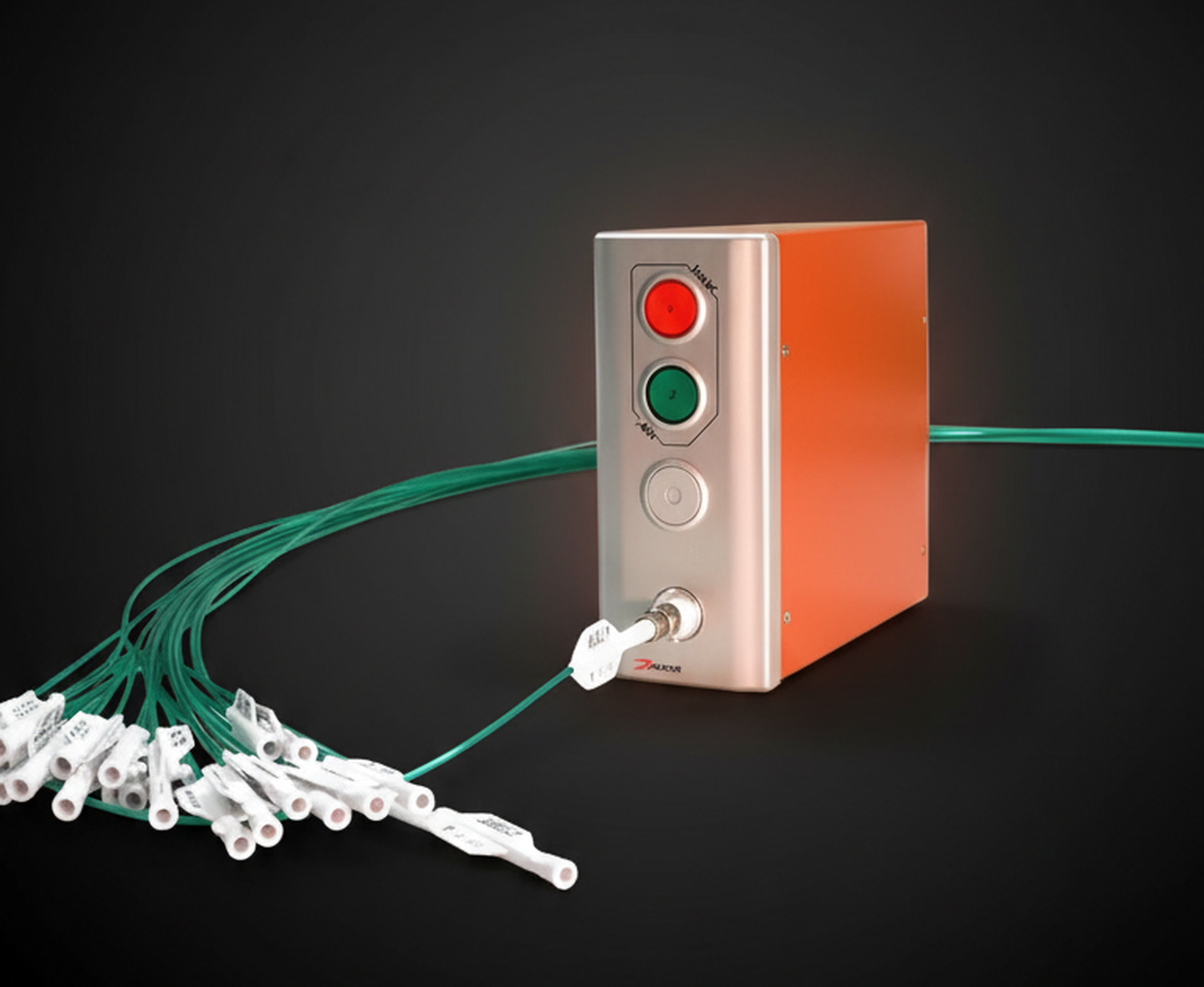
A 7i used in R&D and a compact iKit automation tester use the same modular platform, helping teams carry test validation through product development.
Can one tester perform pressure decay and flow tests?
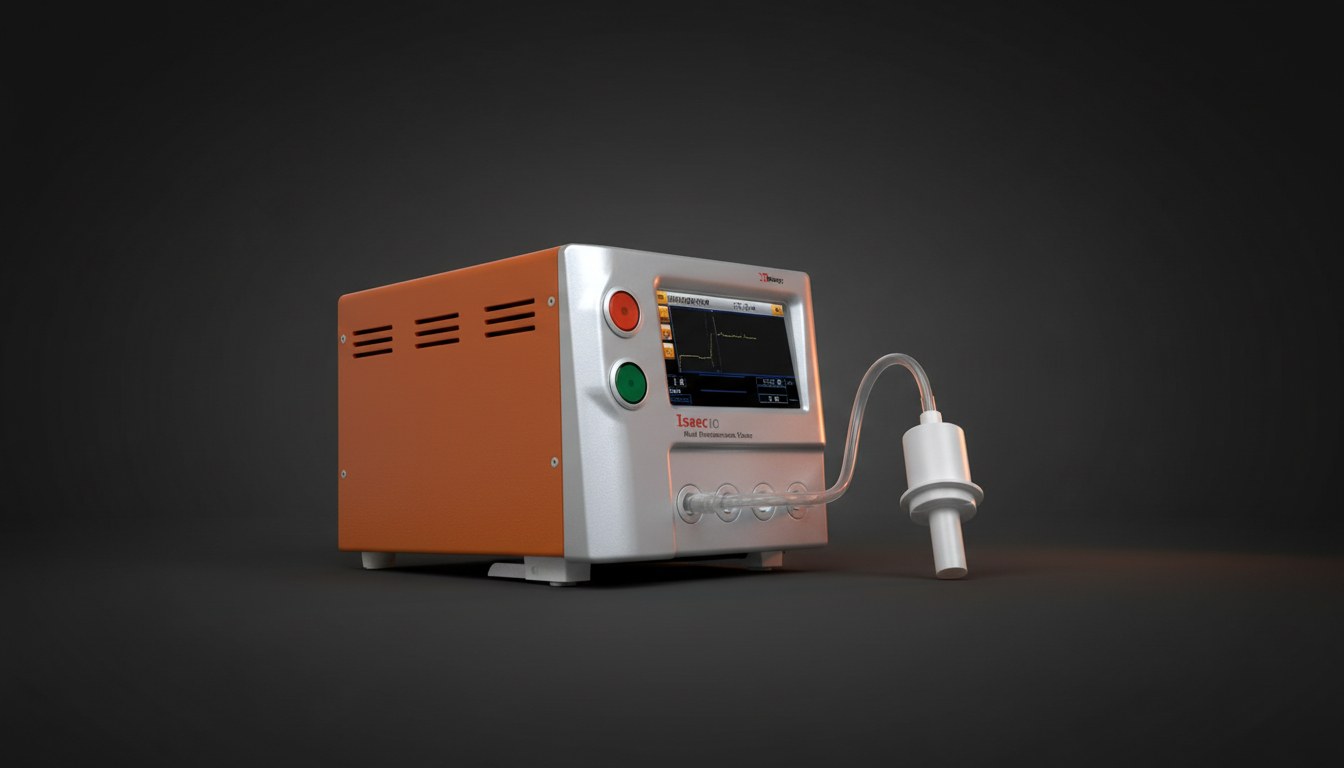
Yes. An administrative IV set may require both tests, and the Isaac HD and 7i can run multiple programs and test types in one machine.
Which standards matter for medical and packaging applications?
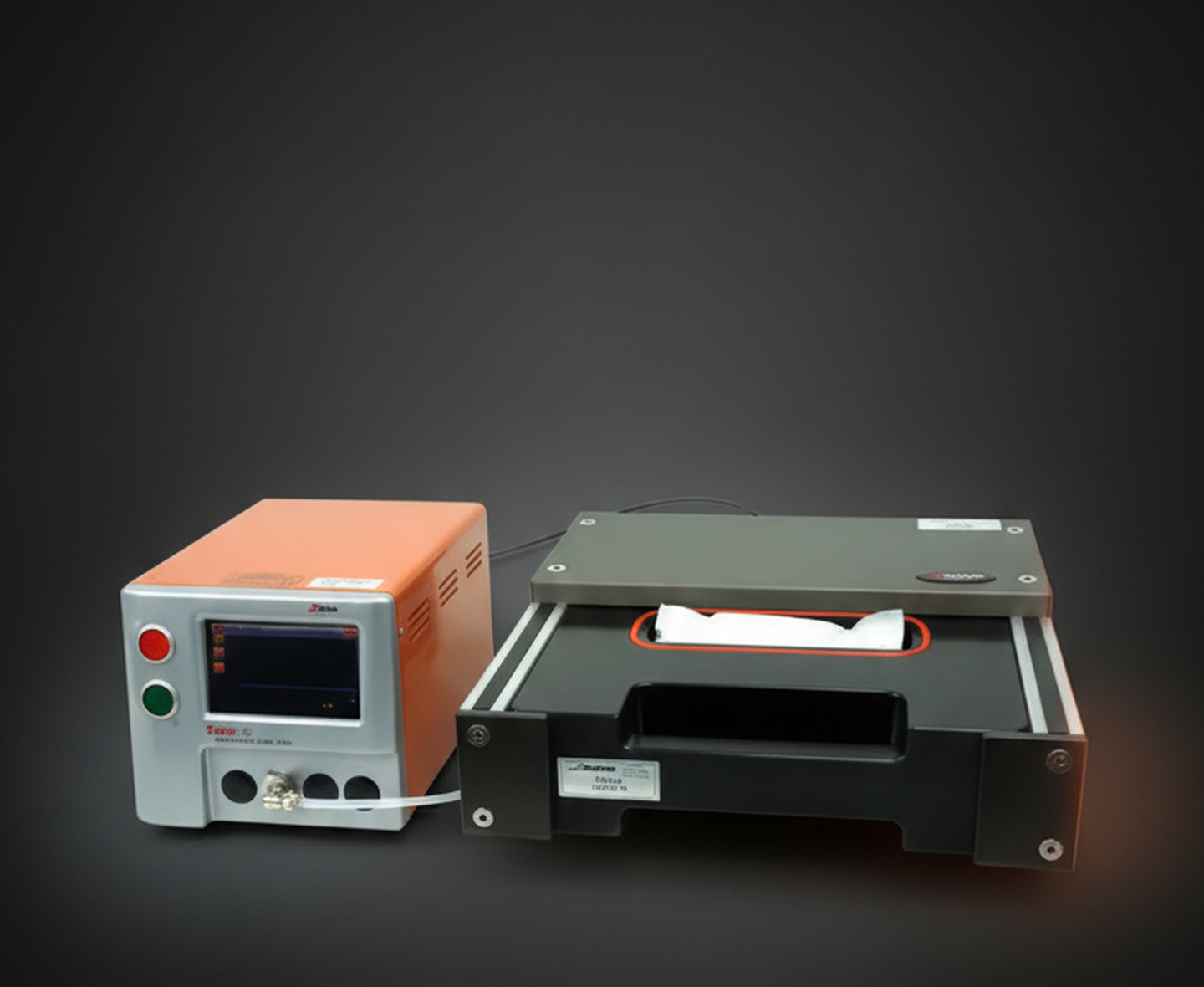
Medical-device applications can require FDA and ASTM standards; packaging fixtures can be configured for bench or fill-form-seal production work.
How does an automated line benefit from leak testing?
Automated leak-test operations can increase manufacturing output while reducing opportunities for user error.
What types of parts are tested across the industries hub?
The hub covers sealed electronics, automotive assemblies, medical components, consumer goods, industrial assemblies and packages.
Which industry page covers automotive production?
The automotive industry page covers fuel systems, manifolds, powertrain components, electrical parts, EV batteries and airbags.
How should a manufacturer select a leak-test method?
Select a method around the product’s intended function, whether it is sealed or open-path, its environment, the required leak limit, and the production workflow.
What can make a leak-test result inconsistent?
Contaminated air, changing temperature or humidity, unstable parts, poor fixture sealing and an unsuitable test method can all change a result.
Why consider a pneumatic test instead of water dunk testing?
Pneumatic testing supplies a measured result without submerging the part, avoiding the drying, contamination and subjective bubble observation associated with dunk testing.


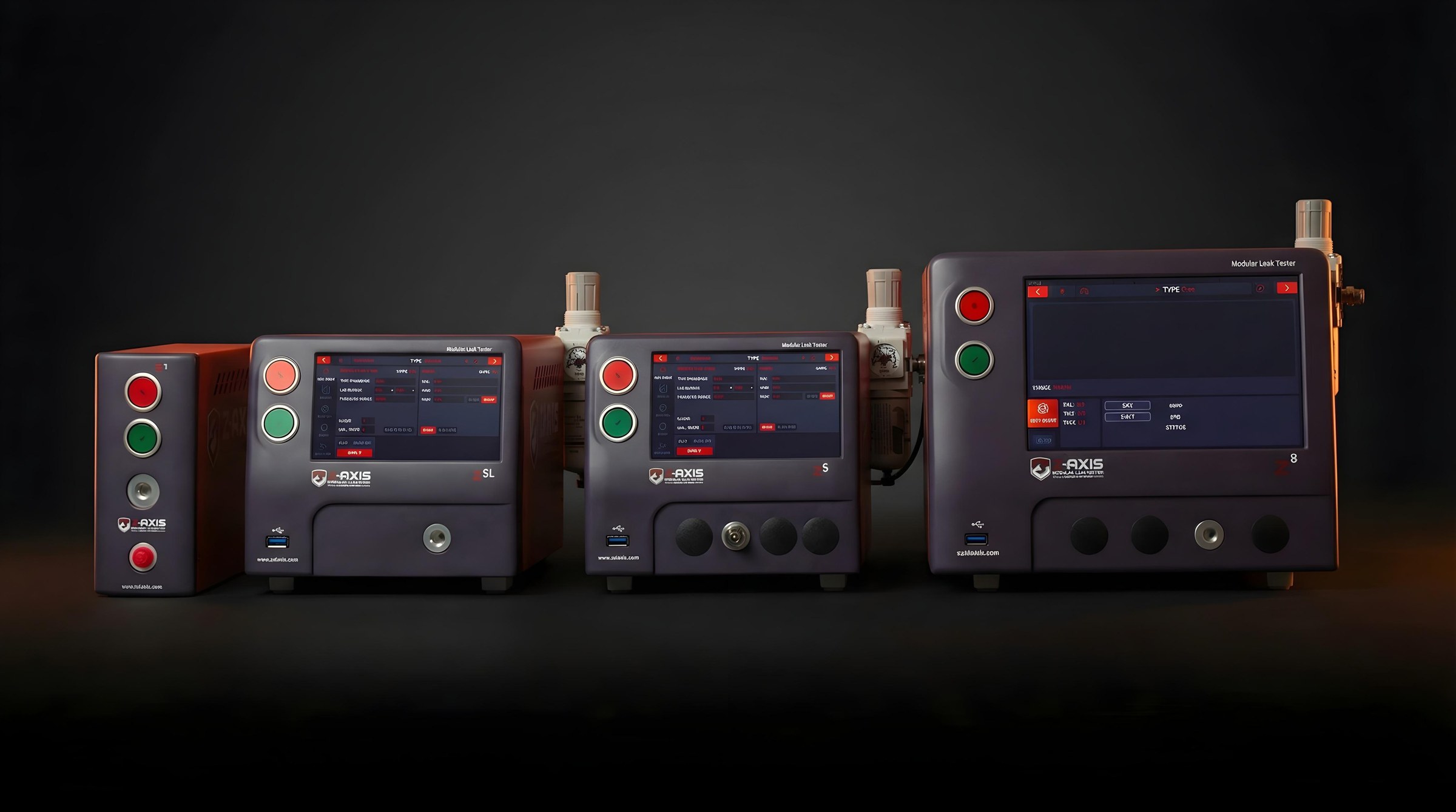
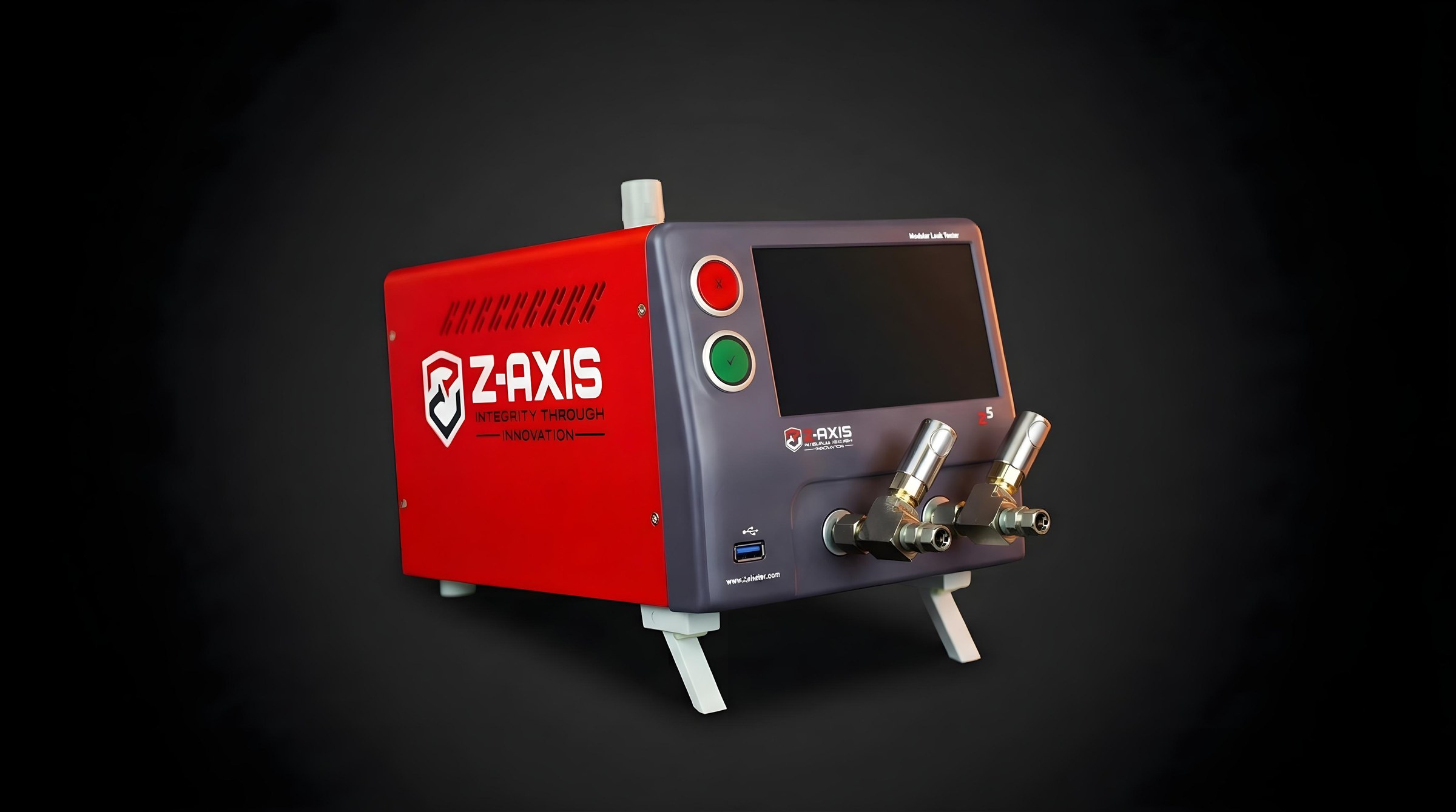
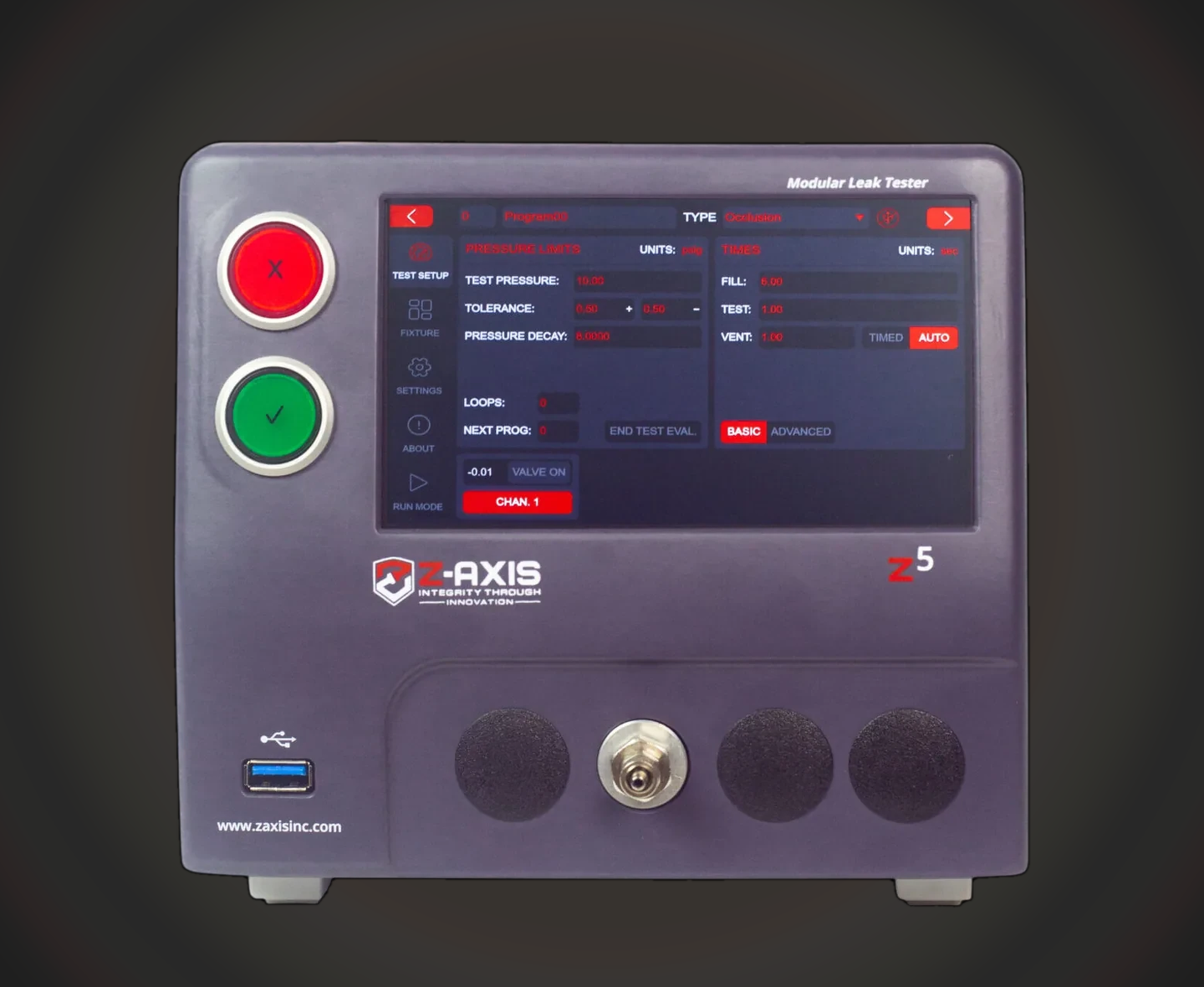 Z5Compact multi-channel tester for factory automation: up to four independent channels in a 6.5" × 7" × 9" footprint.
 Z8Up to four test ports, sequential or concurrent, with an 8-inch touchscreen and 2–1,000 PSIG range.
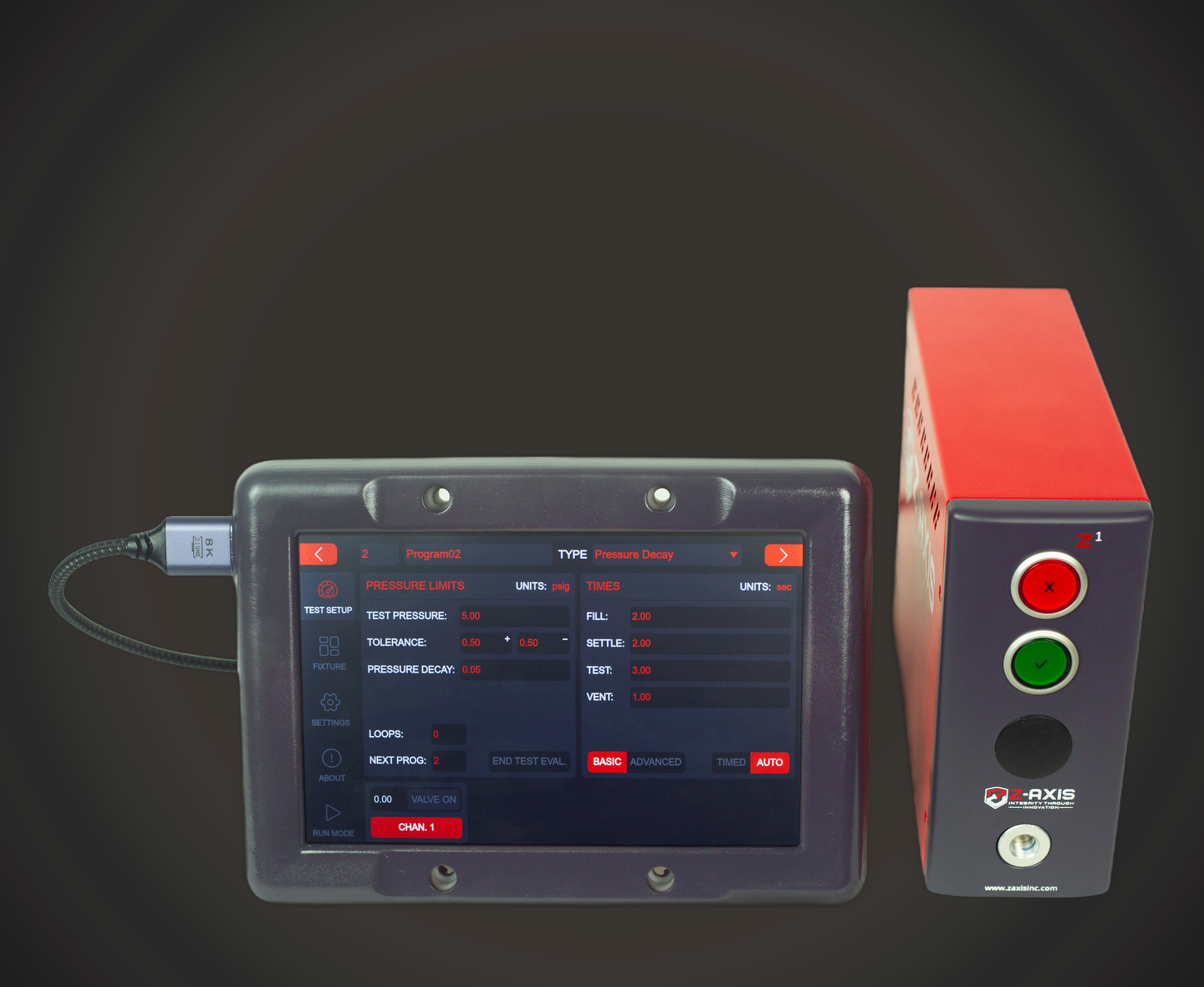 Z1Single-channel tester built for machine integration; cascade units for synchronous multi-channel cells.