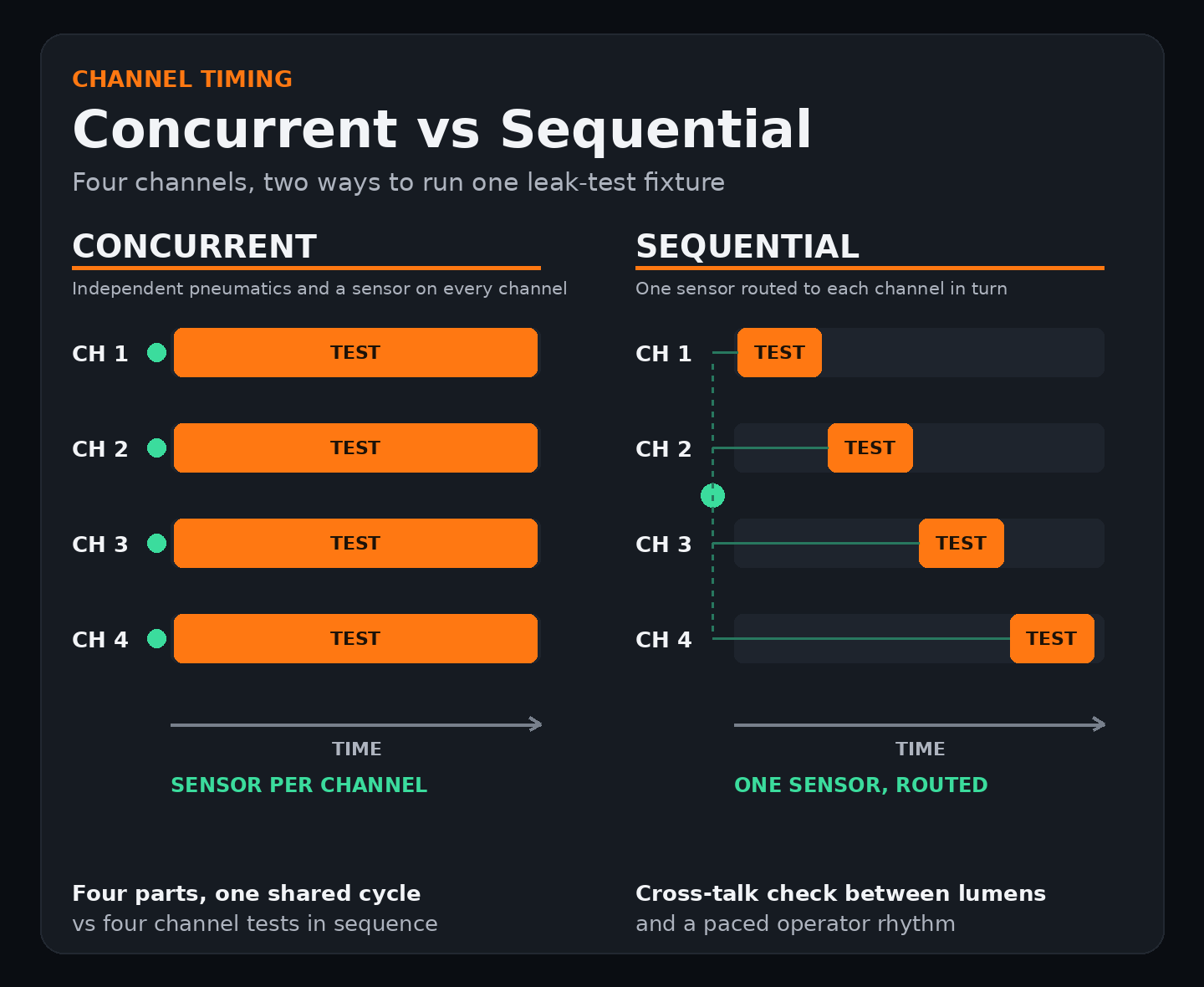
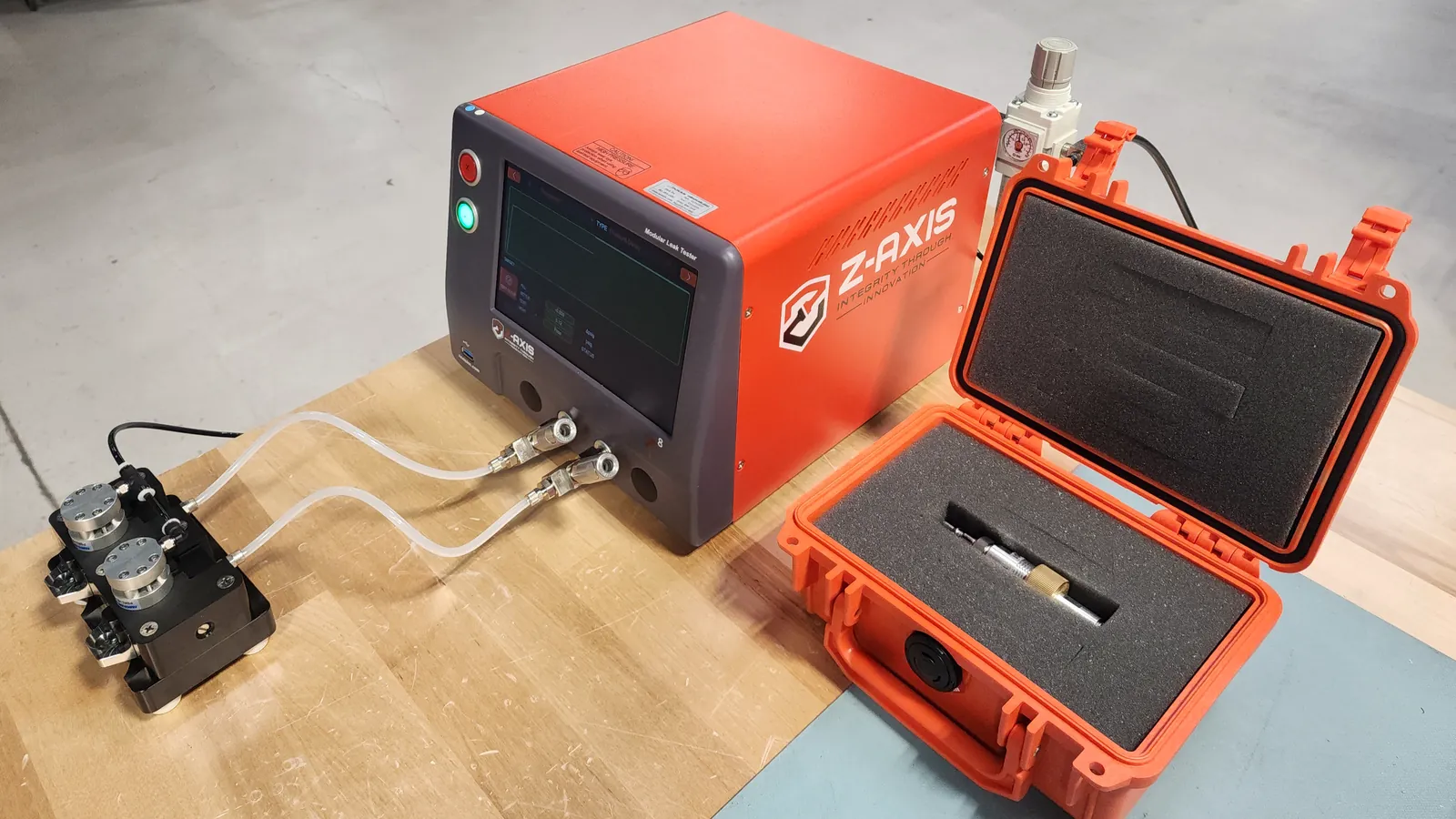
Concurrent and sequential multi-channel leak-test timing graphicZ-series leak tester connected to a multi-position production fixture

Configuration Option

Concurrent vs
Sequential Leak Testing

Concurrent testing runs one test on several channels simultaneously with independent pneumatics and sensors; sequential testing routes one sensor through each channel in turn.

Both modes bring four fixture positions into one test station, but they solve different production problems. The choice is about how the station uses its channels and how the operator moves work through the fixture.

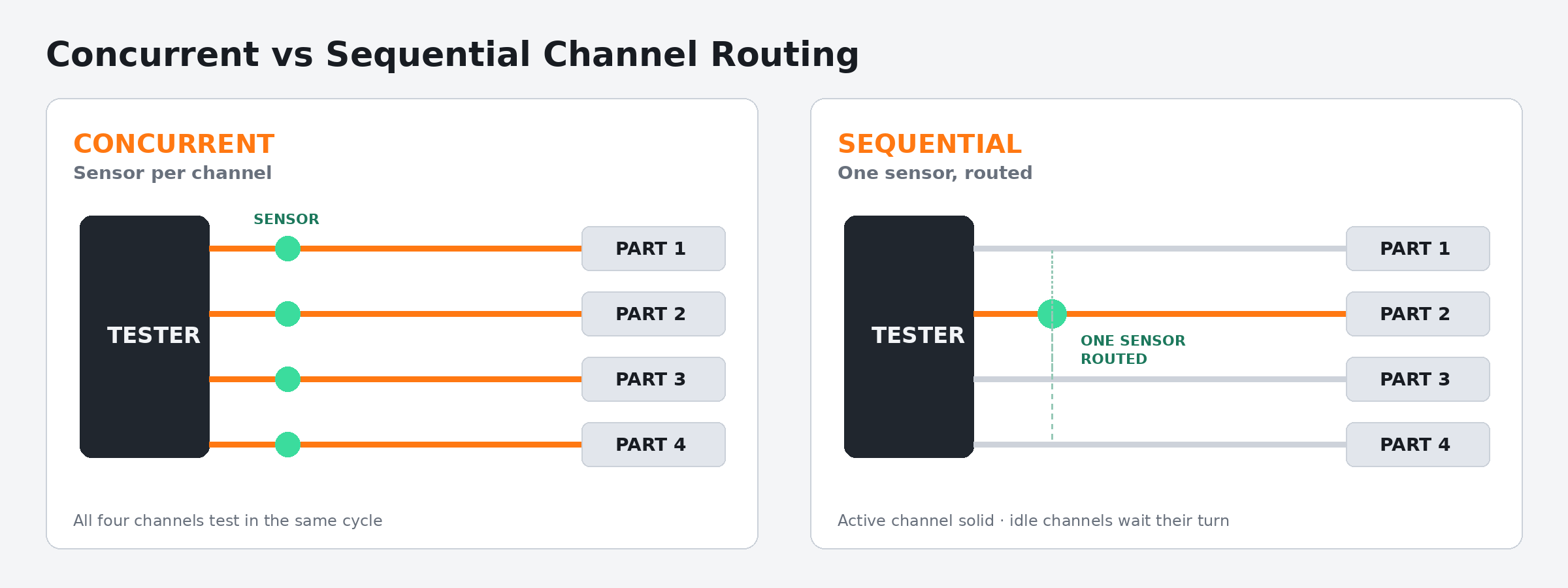
A concurrent configuration gives every active channel its own pneumatic path and pressure sensor. Four parts can fill, settle and test together, then receive individual results at the end of the same cycle.

A sequential configuration uses one sensor and routes it to each channel one at a time. It is useful when a fixture needs a paced sequence or when a multi-lumen catheter needs a cross-talk check between passages.

Request for Quote

Concurrent and sequential testing

What is concurrent leak testing?

Concurrent testing executes the same test across several channels at once. Each channel has independent test pneumatics and a pressure sensor, so one channel’s result remains tied to its own part.

Four loaded parts can move through the cycle together. The station returns a result for each channel without waiting for the other positions to take their turn.

  • ✓Reduces elapsed cycle time for four loaded parts
  • ✓Keeps channel results independent
  • ✓Supports pressure decay, vacuum decay, mass flow and burst programs
  • ✓Matches multi-part automation fixtures
What is sequential leak testing?

Sequential testing routes one sensor through the available channel outputs in a controlled order. The tester completes one position before selecting the next channel.

This arrangement can pace operators on a continuous line and lets a fixture check for cross-talk between lumens in a multi-lumen catheter.

  • ✓Checks cross-talk between catheter lumens
  • ✓Paces loading and unloading work
  • ✓Uses one sensor across four outputs
  • ✓Runs all available leak-test types

How a concurrent test runs

1

LOAD 4 PARTS

Place one part at each fixture position and establish the required seals.

2

FILL ALL CHANNELS

The tester fills the four independent pneumatic circuits to their programmed conditions.

3

TEST IN PARALLEL

Each channel measures its own part during the same test interval.

4

RESULT PER CHANNEL

The station reports the decision for each channel so the fixture can handle every part correctly.

In sequential mode, the tester selects one output, completes its programmed test, then routes the sensor to the next output until all loaded channels have been evaluated.

Concurrent vs sequential comparison

Configuration comparison for a four-channel fixture
Configuration detailConcurrentSequential
Pressure sensorsUp to four (one per channel)One sensor routed across channels
Channels tested at onceUp to fourOne
Cycle time for four partsOne shared test cycleFour channel tests in sequence
Detects cross-talk between lumens✓✓
Paces the operator×✓
Test types supportedPressure decay, vacuum decay, mass flow, burst and configured methodsAll configured test types
Best forFast multi-part fixtures and automated cellsMulti-lumen checks and paced manual work

Applications for multi-channel testing

Medical tubing and catheter testing

Multi-lumen catheters

Sequential routing helps fixtures evaluate cross-talk between passages in a multi-lumen catheter.

Automated factory leak-test cell

Multi-part automation cells

Concurrent channels test several fixture positions in one shared cycle.

High-volume automotive production

High-volume production lines

Independent results support a rapid flow of repeated four-part fixtures.

Electronics leak testing station

Mixed test programs

With 100 stored programs, automated test cells can select the program based on the model being presented.

Channel routing schematic

Wide schematic comparing four independent concurrent sensors with one sequential sensor routed to four parts

Concurrent and sequential FAQ

What is concurrent leak testing?

Concurrent leak testing runs the same test on several channels at the same time, using independent pneumatics and sensors for each active channel.

What is sequential leak testing?

Sequential testing routes one sensor through multiple channel outputs one at a time.

Which mode is faster for four parts?

Concurrent mode evaluates the loaded parts in one shared test cycle. Sequential mode evaluates each channel in order.

Can sequential testing check multi-lumen catheter cross-talk?

Yes. Sequential routing is suited to cross-talk checks between lumens in a multi-lumen catheter fixture.

Do concurrent channels share one sensor?

No. A concurrent channel has its own test pneumatics and pressure sensor.

Can all leak-test types run sequentially?

Yes. Sequential operation can run the test types configured for the tester.

Which Zaxis testers can use these modes?

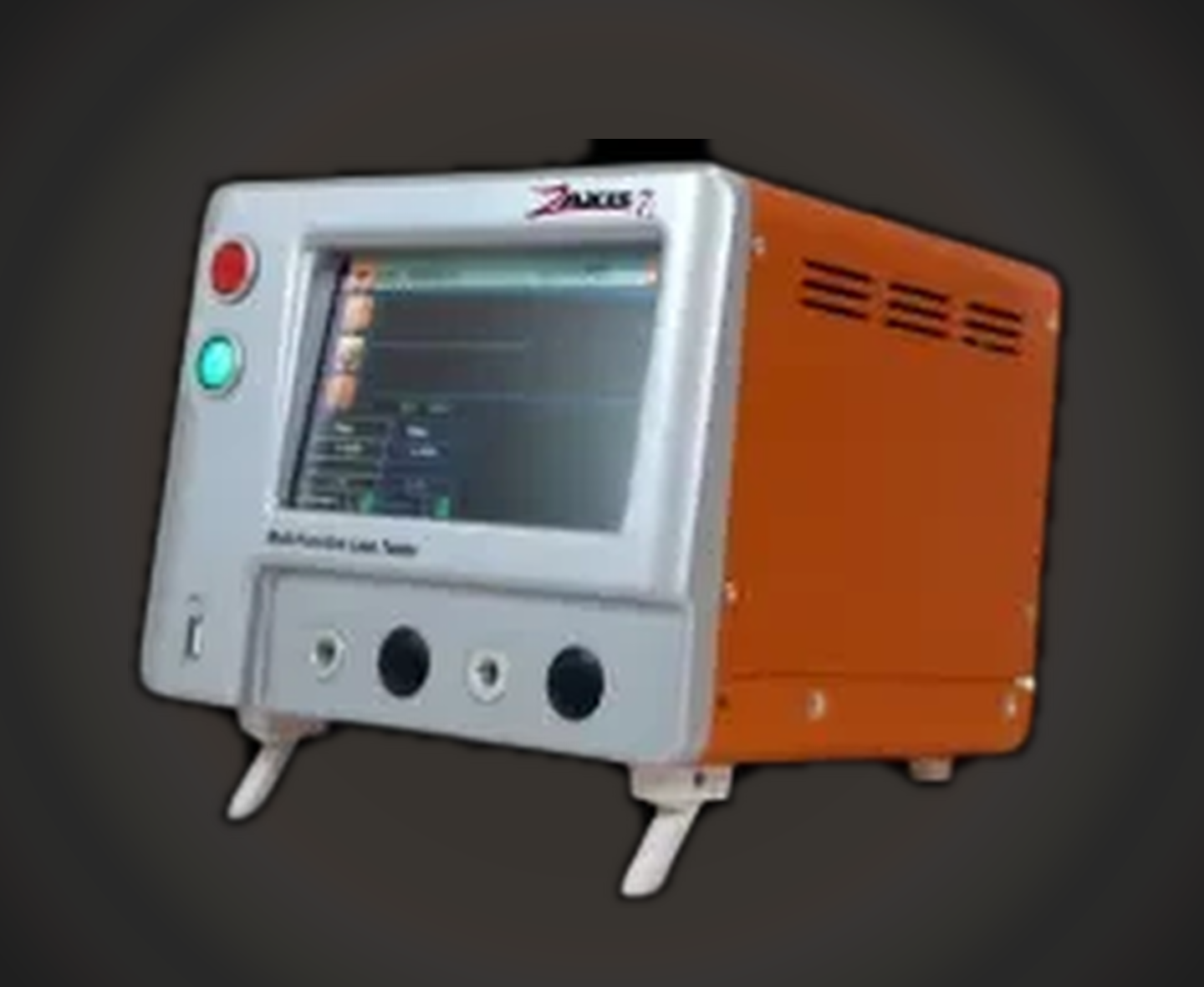
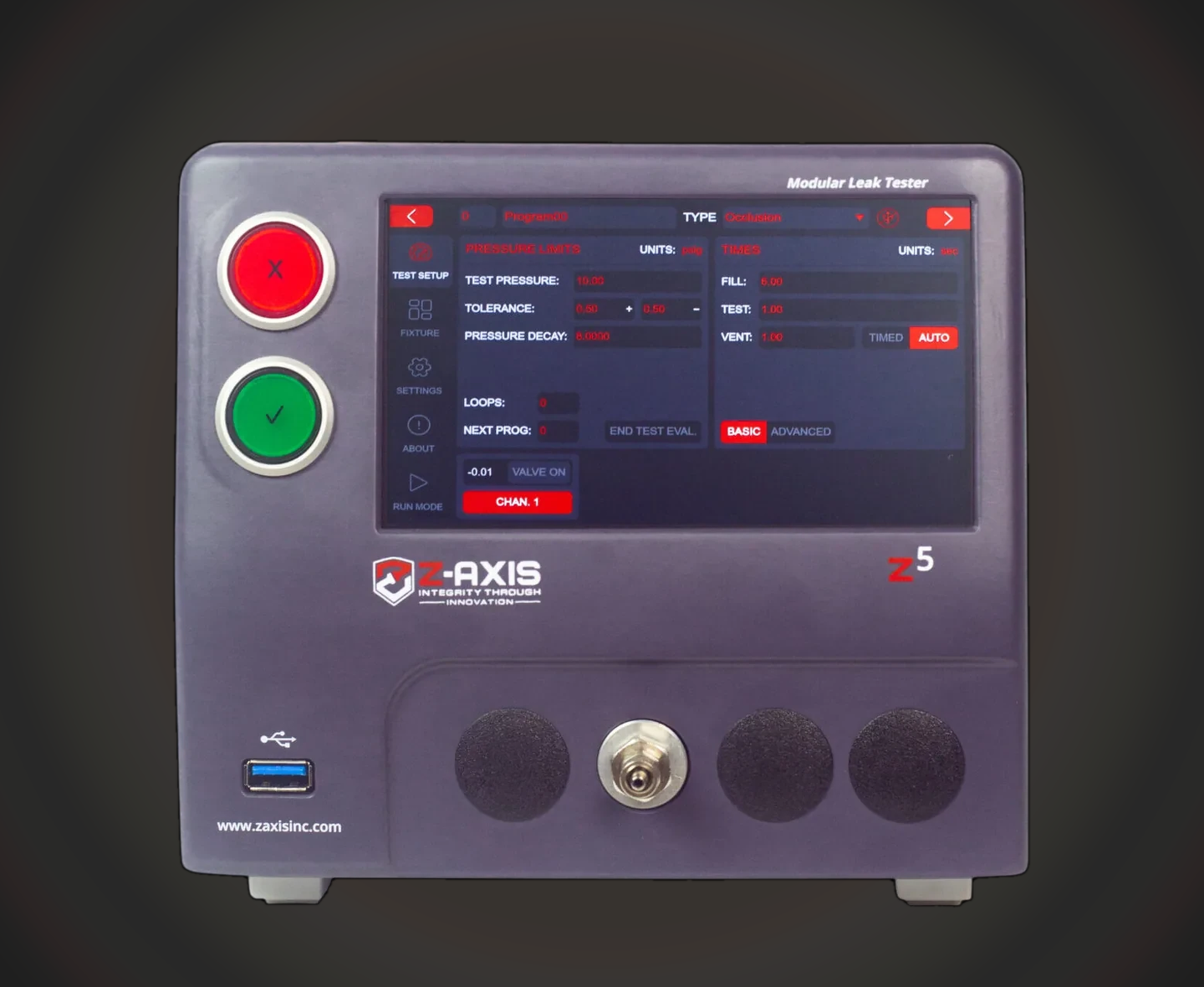
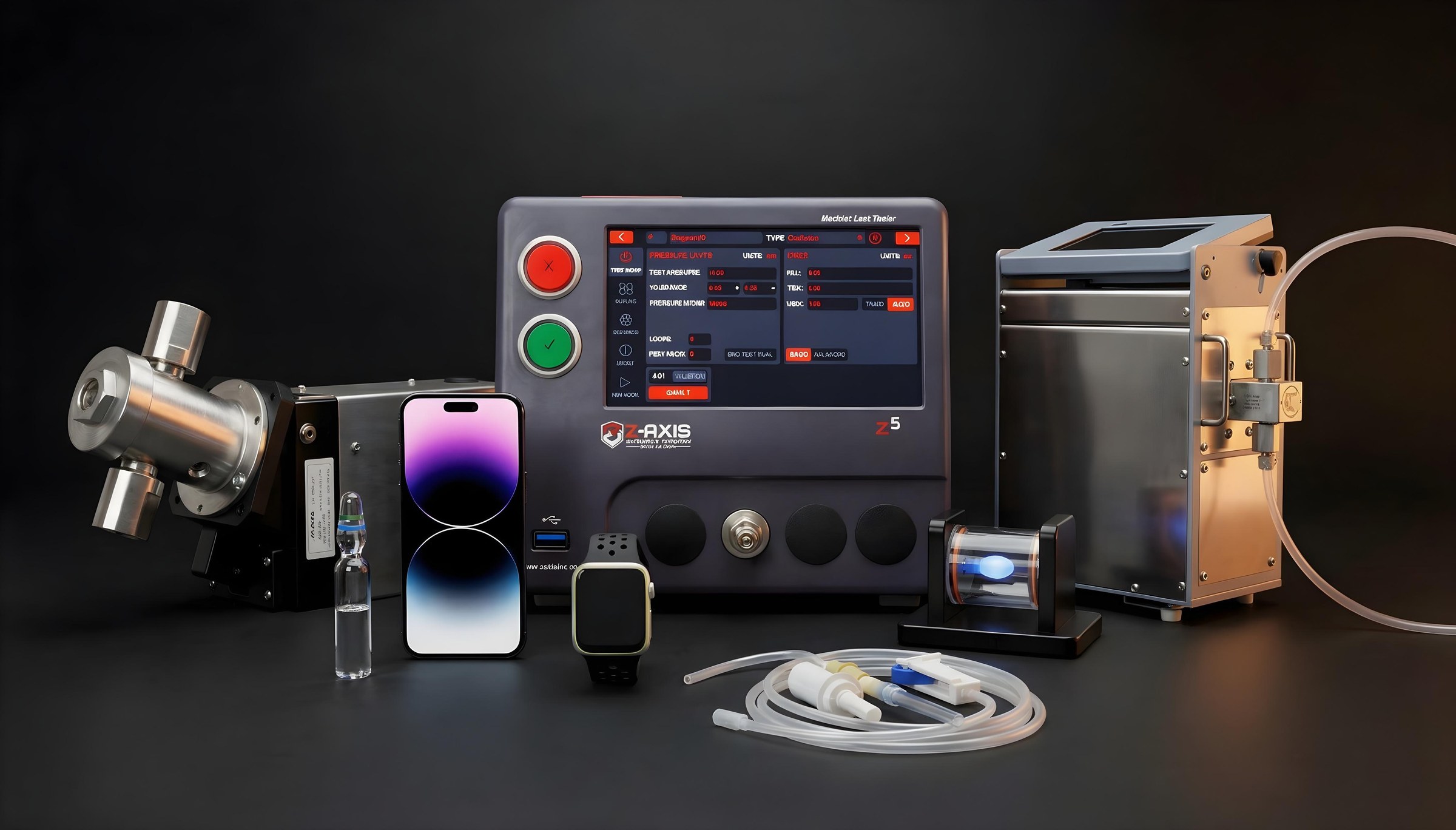
The Isaac HD, Zaxis 7i, Z8 and Z5 support configurations for multi-port sequential or concurrent operation.

Ready to Ensure Product Integrity ?

Request for Quote