
Battery chemical metering
Battery lines combine anodes, cathodes, separators and electrolytes and may dispense lithium slurries. Ceramic internals and CIP cleaning support harsh or corrosive chemistry.


Positive Displacement Pumps
Electronic metering pumps help electronics lines dispense liquids, chemicals and adhesives with repeatable positive displacement.
Electronics manufacturing includes liquid crystal displays, metered adhesives, coolant liquids and battery chemicals. These processes place a premium on controlled dispensing as devices become smaller and lighter.
Zaxis eVmP pumps use a valveless rotating and reciprocating ceramic piston with electronic volume adjustment. The architecture has no external supply or discharge valves, and ceramic internals are used where chemicals, solutions or particulates are present.
Request for QuoteBattery production may involve lithium slurries and other harsh or corrosive chemicals. Ceramic internals, CIP capability, and stainless-steel or ceramic Kynar wetted-path options support this work.
Other electronics uses include lubrication for bearings, slides, gears and chains, plus ferrofluid dispensing for hard-disk liquid seals.
Battery lines combine anodes, cathodes, separators and electrolytes and may dispense lithium slurries. Ceramic internals and CIP cleaning support harsh or corrosive chemistry.
Electronics production applies metered adhesives and coolant liquids as devices become smaller and lighter. Electronic volume adjustment changes the dose without manual batch settings.
Ferrofluid creates liquid seals that block debris from hard-disk interiors. Microliter and servo eVmP options provide accurate, repeatable ferrofluid dispensing.
Electronic adjustment changes the metered volume without a manual setting between batches. The system can be controlled by Ethernet IP, Ethernet TCP/IP, RS485 or 24VDC digital I/O.
The eVmP family supports pump heads and drives selected around the required volume, flow and liquid path.
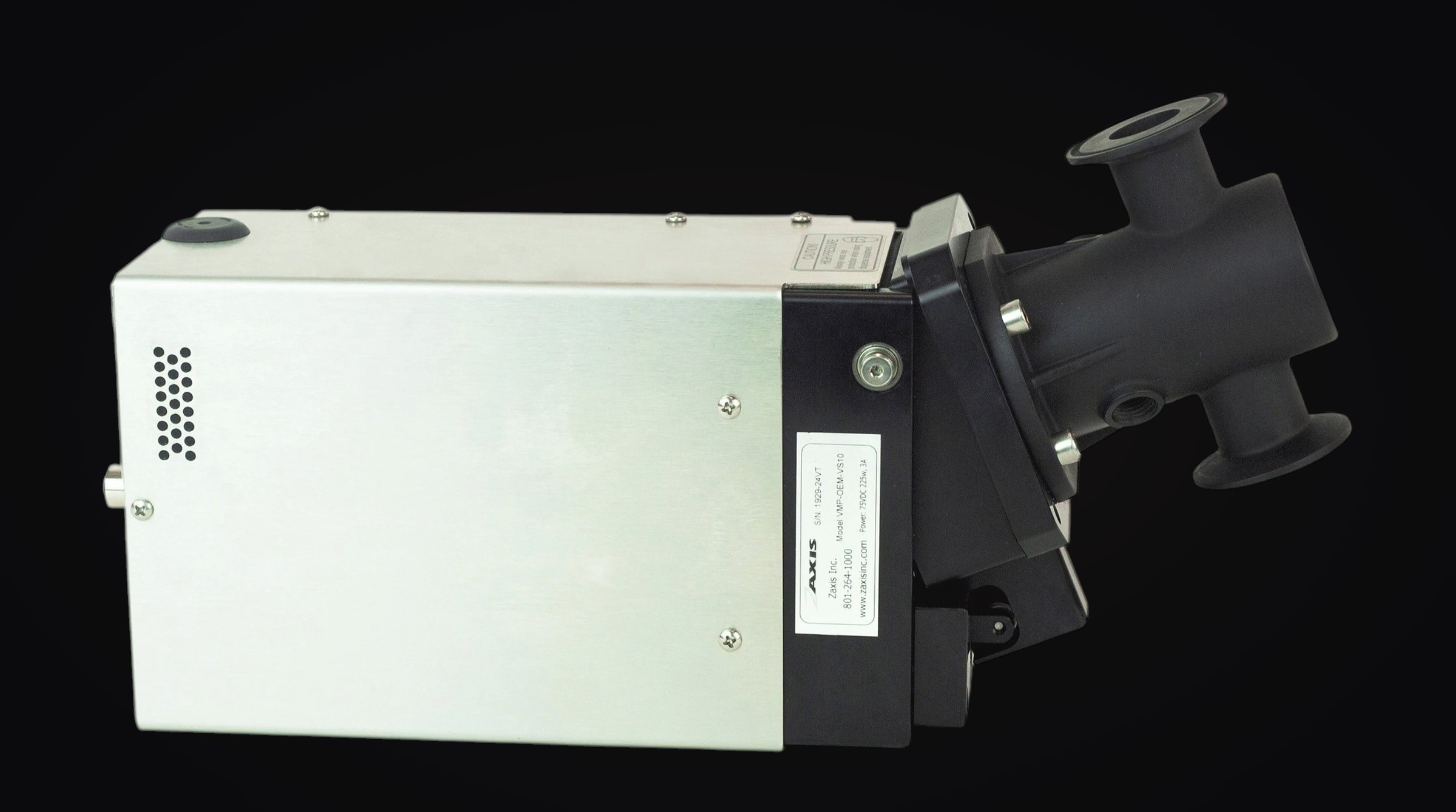
Automation electronics manufacturing uses precision metering for liquid-crystal displays, adhesives, coolant liquids, battery chemicals and ferrofluids. As devices decrease in size and weight, controlled dispensing becomes increasingly important.
The eVmP combines a valveless design that minimizes clogs with ceramic internals, CIP cleaning, automatic batch adjustment and positive-displacement accuracy within 0.5%, based on the application.
Battery manufacturing combines anodes, cathodes, separators and electrolytes, and can require dispensing lithium slurries and other harsh or corrosive chemicals. Diamond-hard ceramic internals, CIP capability, and stainless-steel or ceramic Kynar wetted-path materials support that work.
Electronics lines use lubrication at bearings, slides, gears, chains and other components. Automatic electronic operation can keep workers away from hazardous moving parts while maintaining consistent lubrication.
Ferrofluid forms liquid seals that keep debris from hard-disk interiors. Microliter and servo precision metering pumps support accurate, repeatable ferrofluid dosing.
Battery production may use lithium-ion formats as well as button-cell and cylindrical cells such as AAA, AA, C and D. The eVmP approach is used with electrolytes, slurries and lubricants, including corrosive KOH electrolyte. Production trials should verify the selected configuration with the actual chemistry and required line changeover.
For an electronics line, dispense settings can be part of a broader recipe that changes with the product. Materials such as electrolyte and slurry demand attention to corrosion resistance and abrasion, while the line also needs a repeatable cycle. A configuration with Ethernet capability can take part in digital feedback and control. That does not eliminate the need to establish the correct chemical quantity, timing and compatibility at each manufacturing stage.
Production flexibility is valuable when battery formats, slurry mixtures or alloy combinations change during development. A dispensing platform with electronic adjustment can be configured for revised settings while the production team validates the resulting material addition. For each product version, capture the volume, cycle time, fluid characteristics and communication behavior needed by the line.
Choose the range, torque and controls around the chemical, batch changes and required cycle time.
Microliter metering is suited to small additions where a battery or electronics process needs a controlled dose. Choose it after confirming the target volume and line timing.
Electronic volume adjustment helps a line accommodate a revised recipe without manual repositioning.
View M-Series for low-volume chemistry →Milliliter work can cover electrolytes, lubricants and other production fluids. The intended pump range should be assessed with the actual material.
The valveless ceramic design is used for corrosive electrolytes and abrasive slurries in battery production.
View V-Series for larger fluid shots →Highly viscous cartridge oils create backpressure at the nozzle. A servo-driven VS-Series option was developed for high-viscosity dispensing.
Its stated capability approaches 2,000 mL/min and 200 psi in that application context.
View VS10-Series for viscous cartridge fluids →Battery assembly uses electrolytes, slurries and lubricants in a process that must accommodate changing formats and materials. Controlled low-volume dispensing supports repeatable manufacturing conditions.
An electrolyte project reduced fill time from more than one minute to under ten seconds after the pumping solution was evaluated. The outcome depended on corrosion resistance as well as cycle time.
For battery chemistry, consider material compatibility and the production controls alongside the metered quantity.
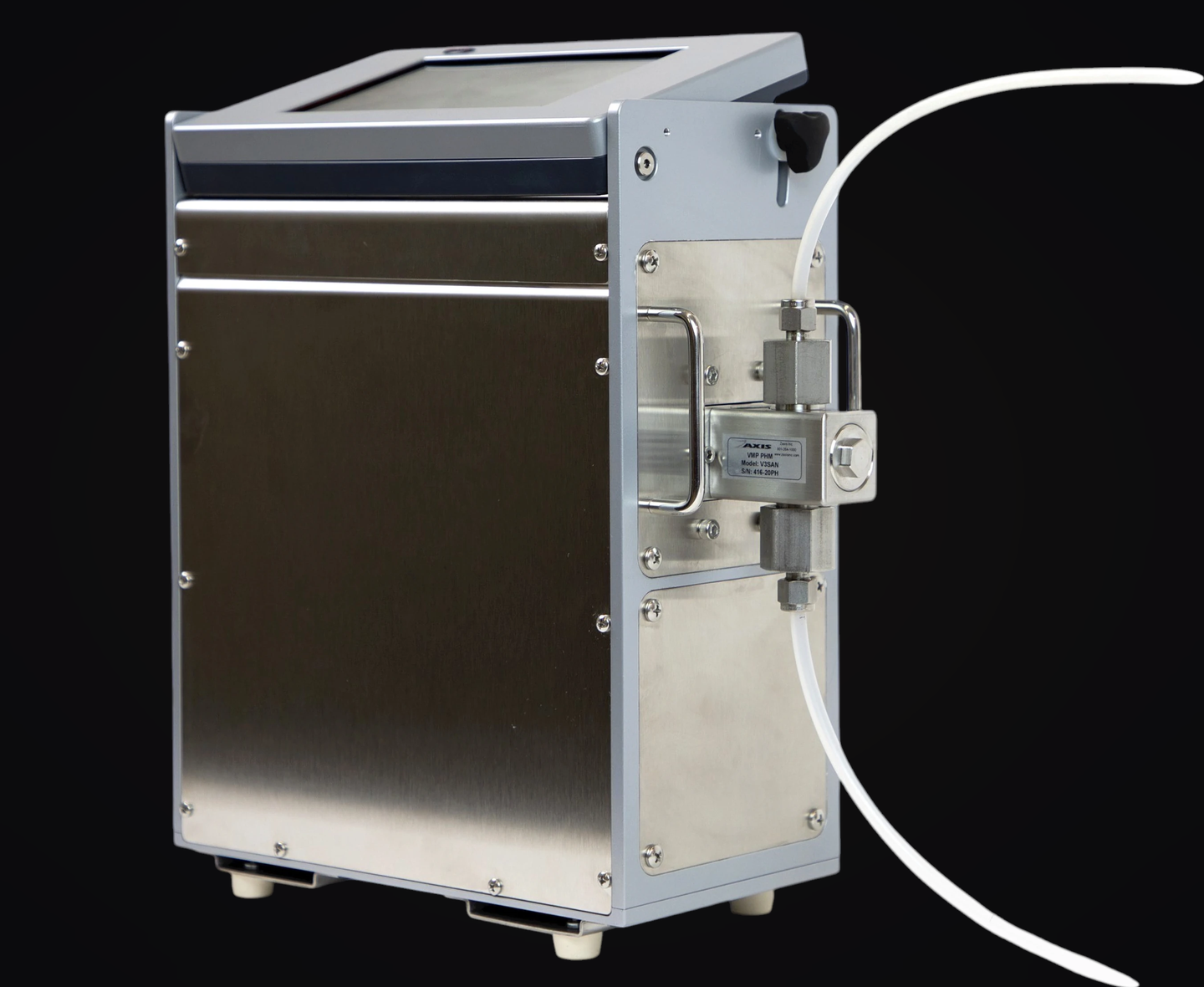
Lithium-ion production can meter liquid metal mixtures with nickel, cobalt and manganese, then add fluoride for impurity removal. Subsequent steps meter nickel, cobalt and manganese solutions into a reactor.
NaOH and ammonia quantities are also metered to support stable carbonate or hydroxide formation. These operations show why timing, quantity and fluid compatibility must be evaluated together.
Ethernet-capable metering equipment can provide digital feedback and control at multiple stages of a battery line.
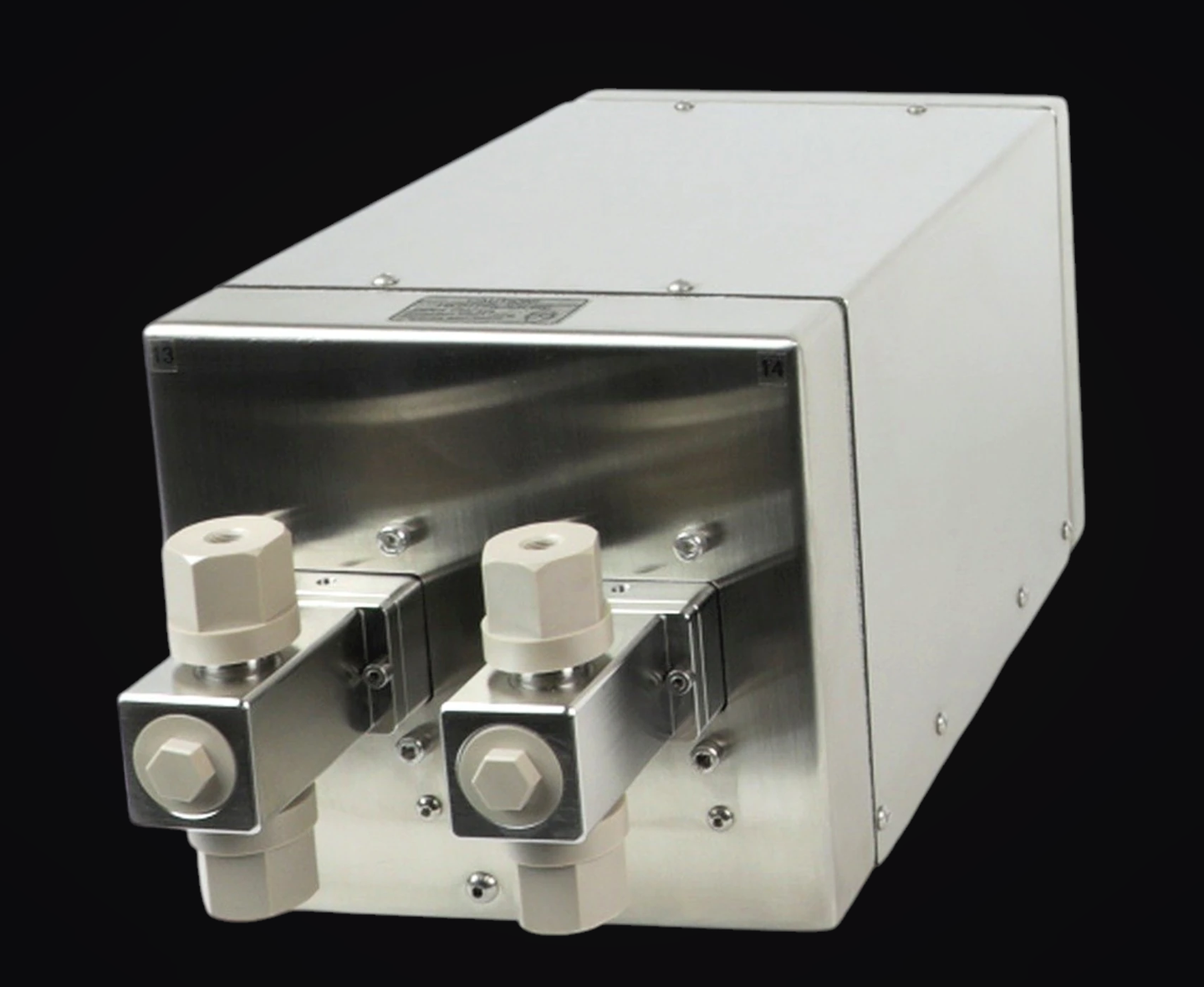
Concentrated plant oils can be highly viscous, and a production line must overcome the resulting backpressure. Manufacturers may adjust fluid consistency with distillates, thinning agents, additives or terpenes.
The dispensing system needs to deliver a precise cartridge dose while maintaining throughput. Positive displacement is used for both low- and high-viscosity fluids.
The specific product and regulatory requirements determine the validation approach for an individual fill process.
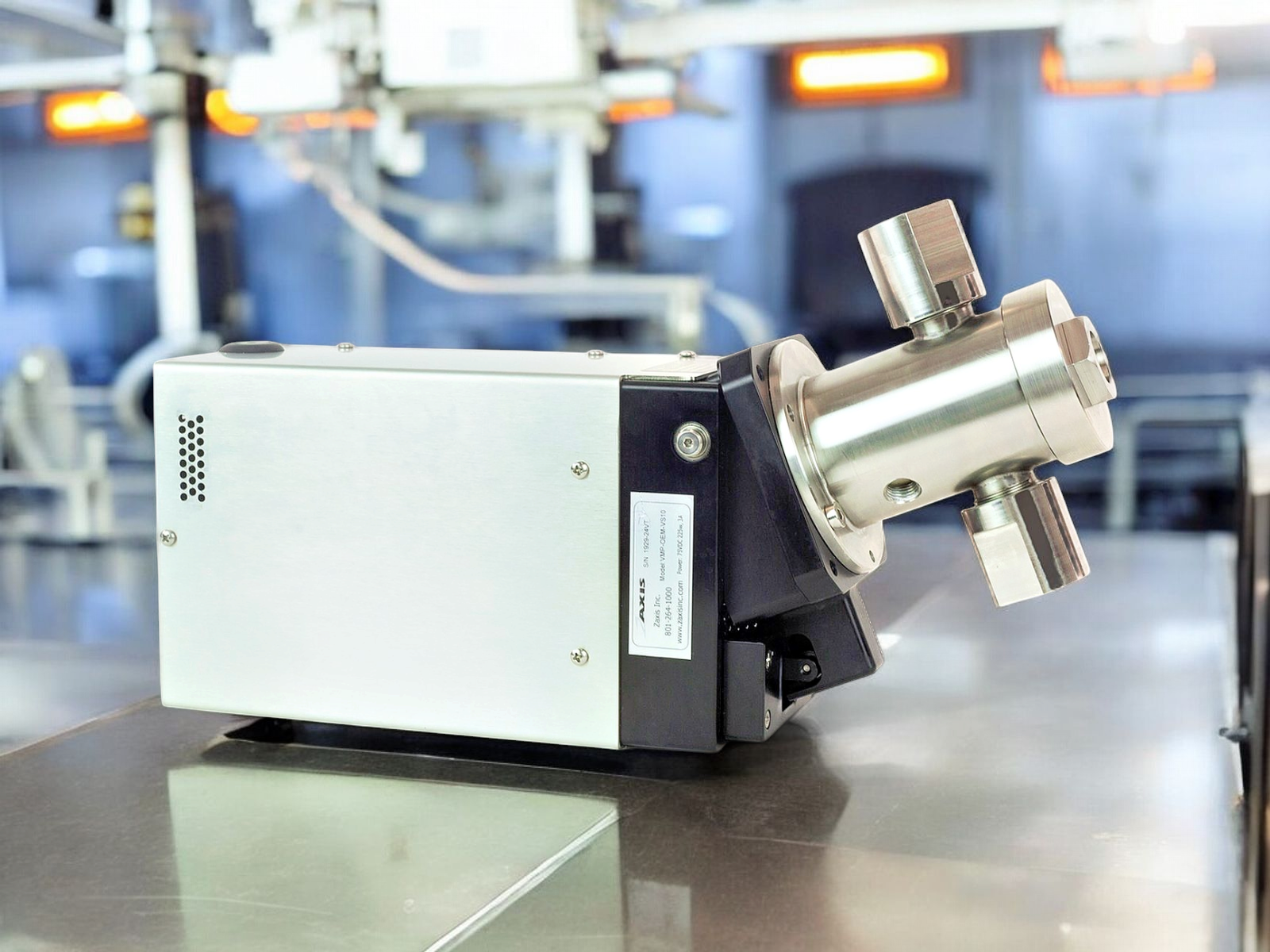
Existing electronics applications include chemicals for batteries, adhesives, coolant liquids, lubrication and ferrofluids.
Ceramic internals resist the chemicals and particulates found in electronics production fluids.
Electronic adjustment avoids a required manual adjustment between recipes or batches.
The M-Series states 2.5–100 µL per revolution.
The VS10-Series states up to 10 L/min.

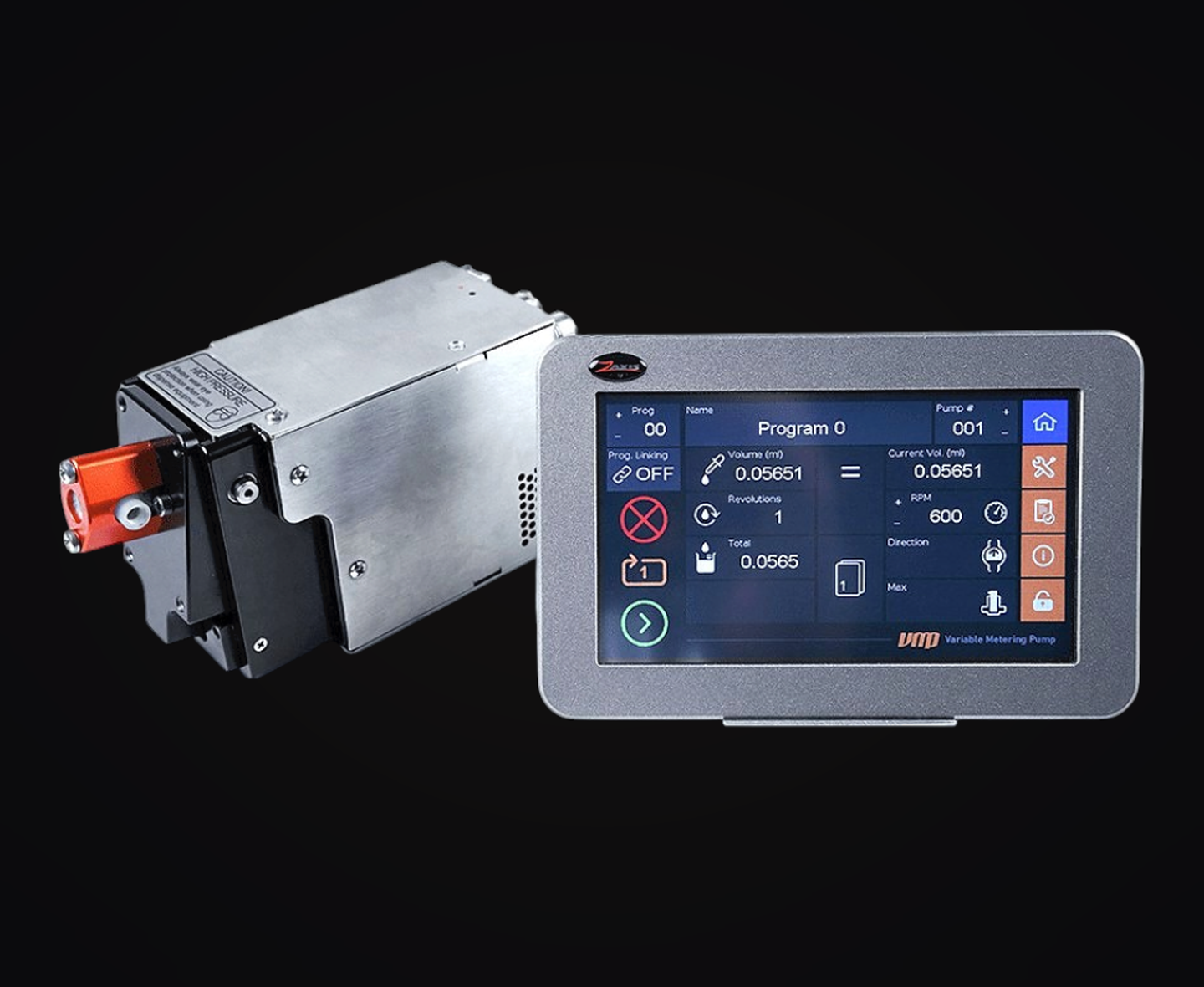 eVmP M-SeriesMicroliter metering from 2.5–100 µL per revolution.
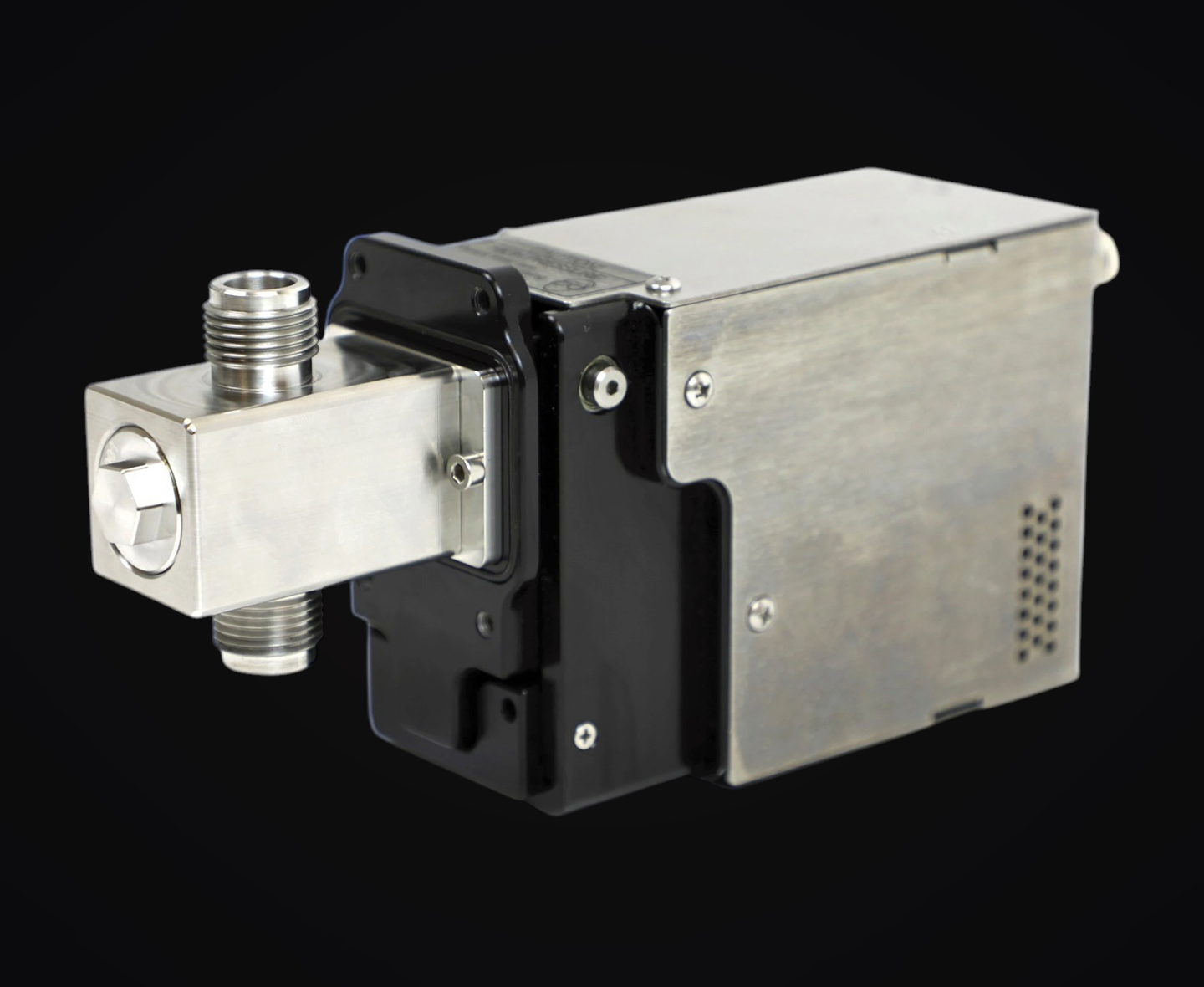 eVmP V-SeriesMilliliter metering up to 1,920 mL/min on the VS drive.
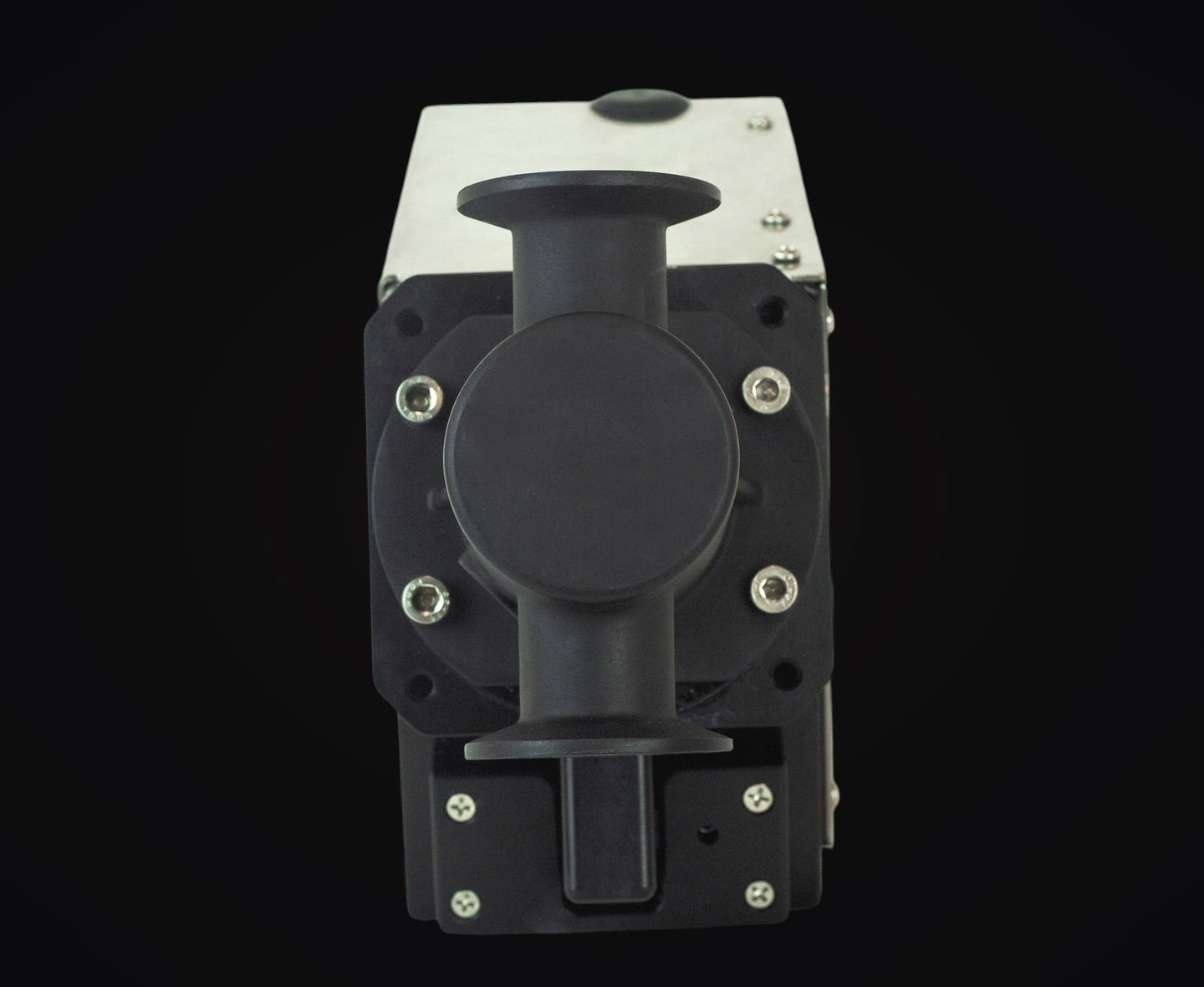 eVmP VS10-SeriesNearly 10 mL per stroke and up to 10 L/min.
