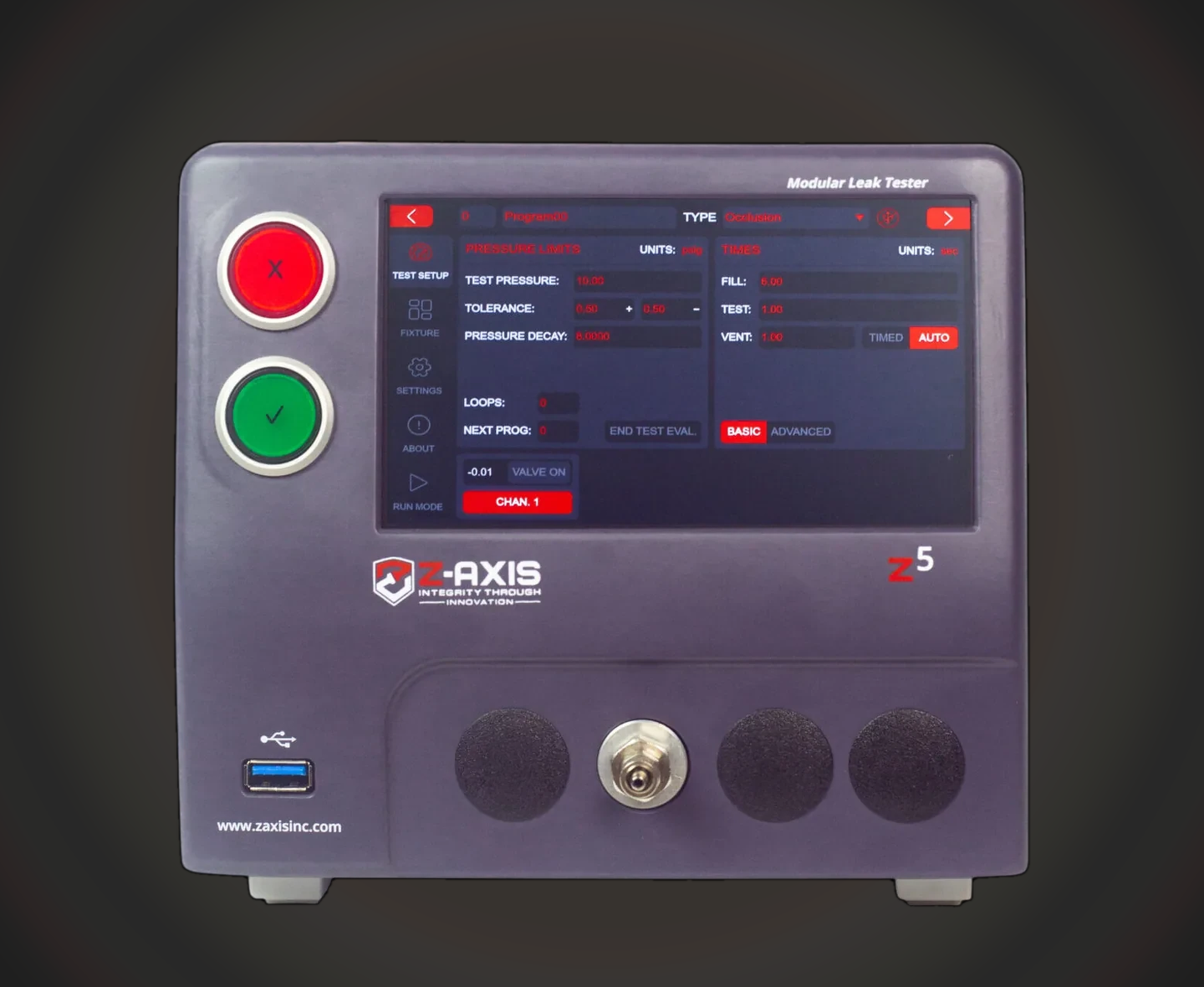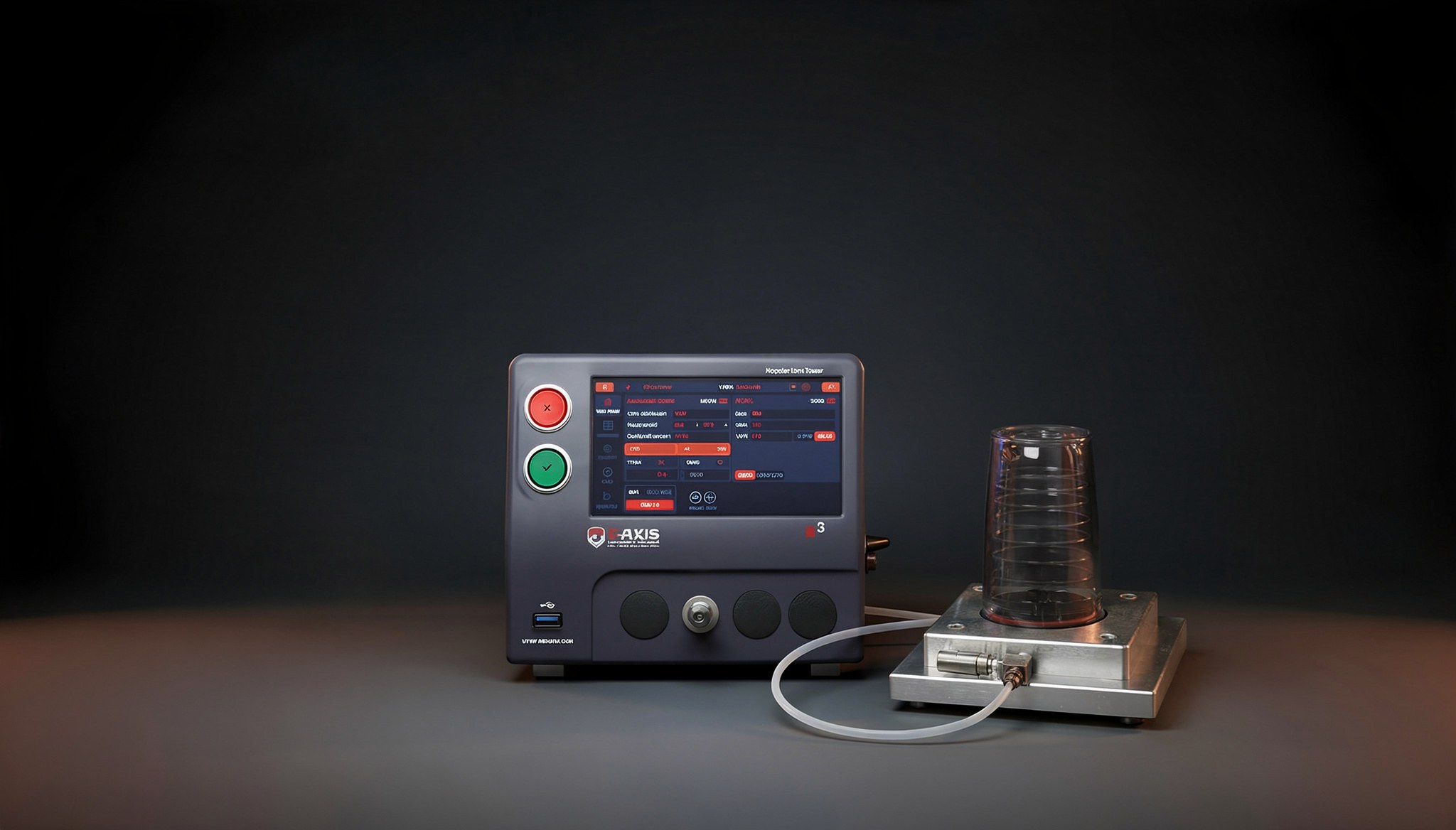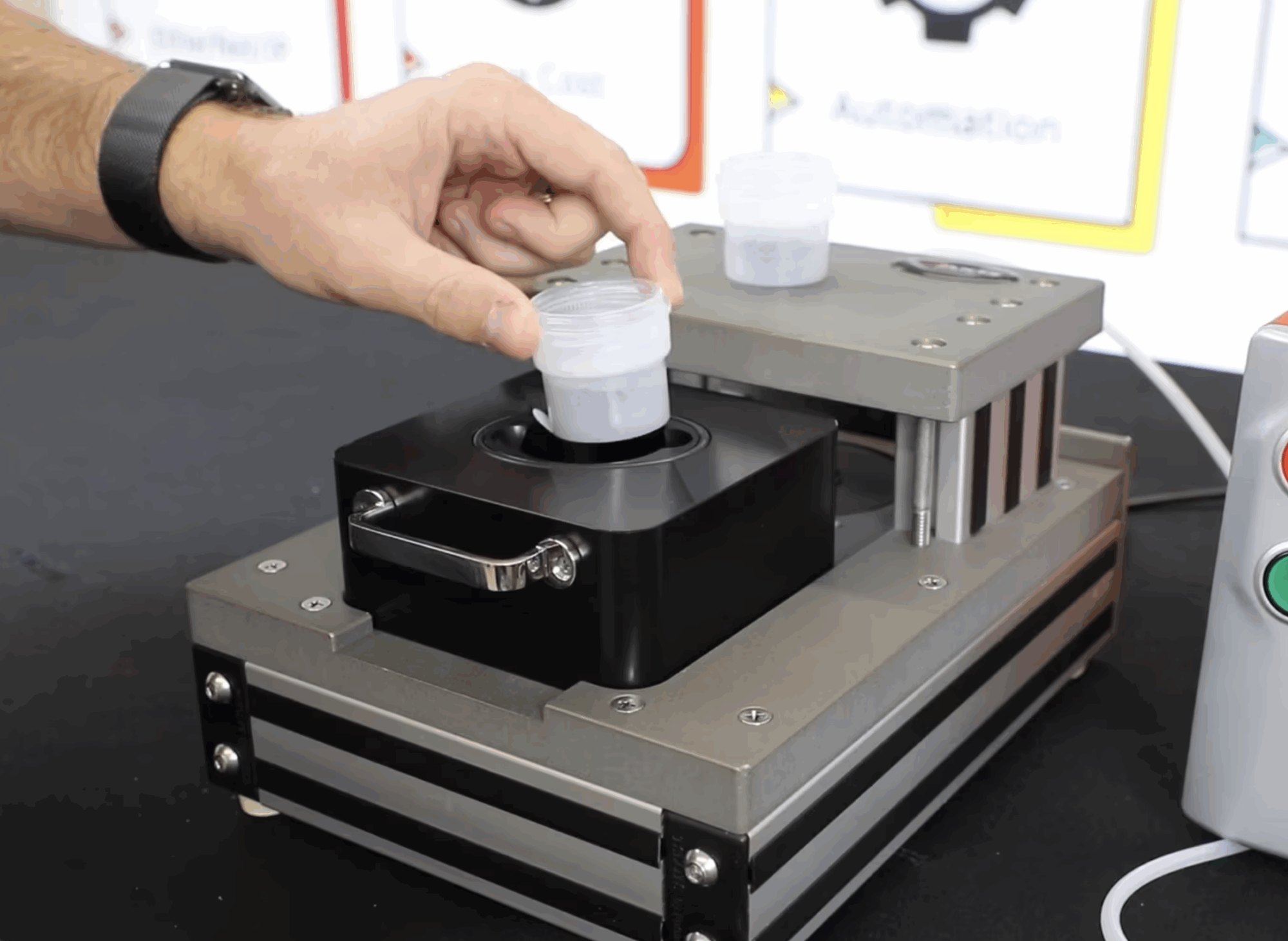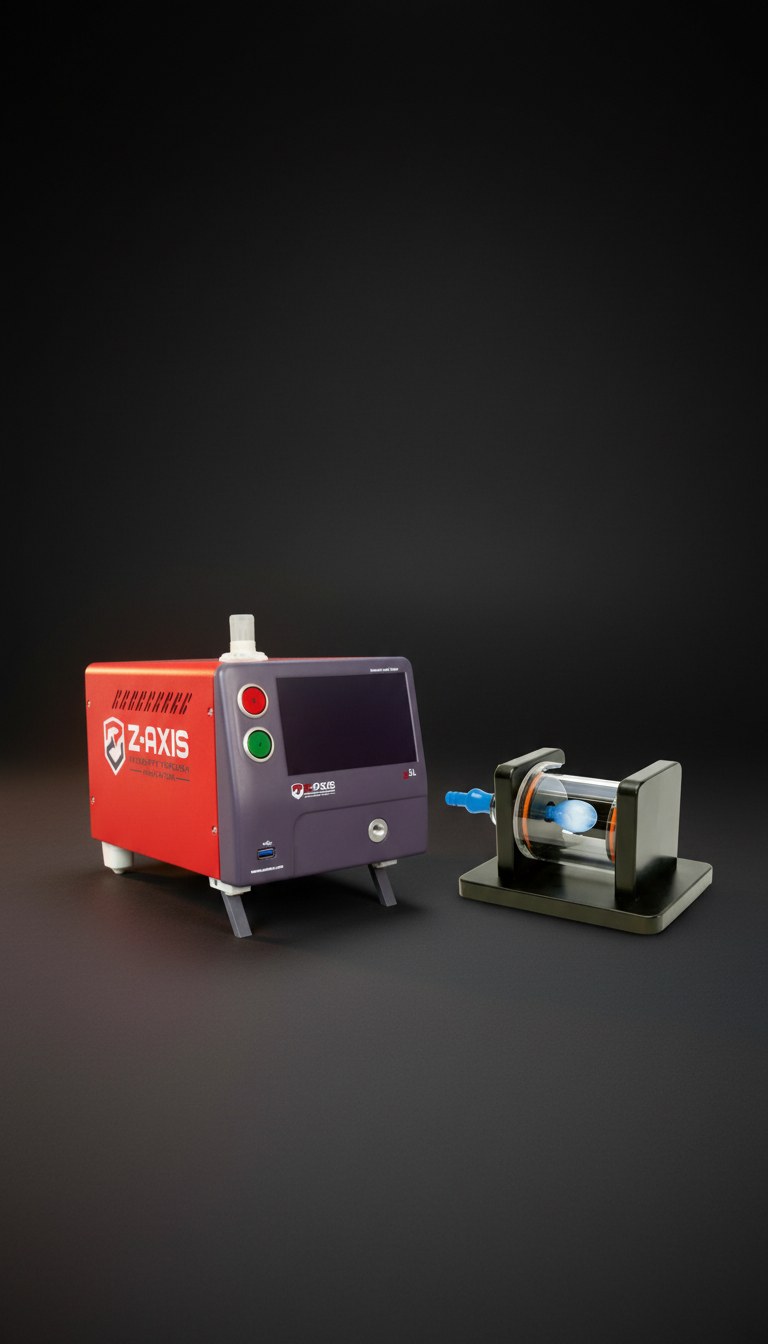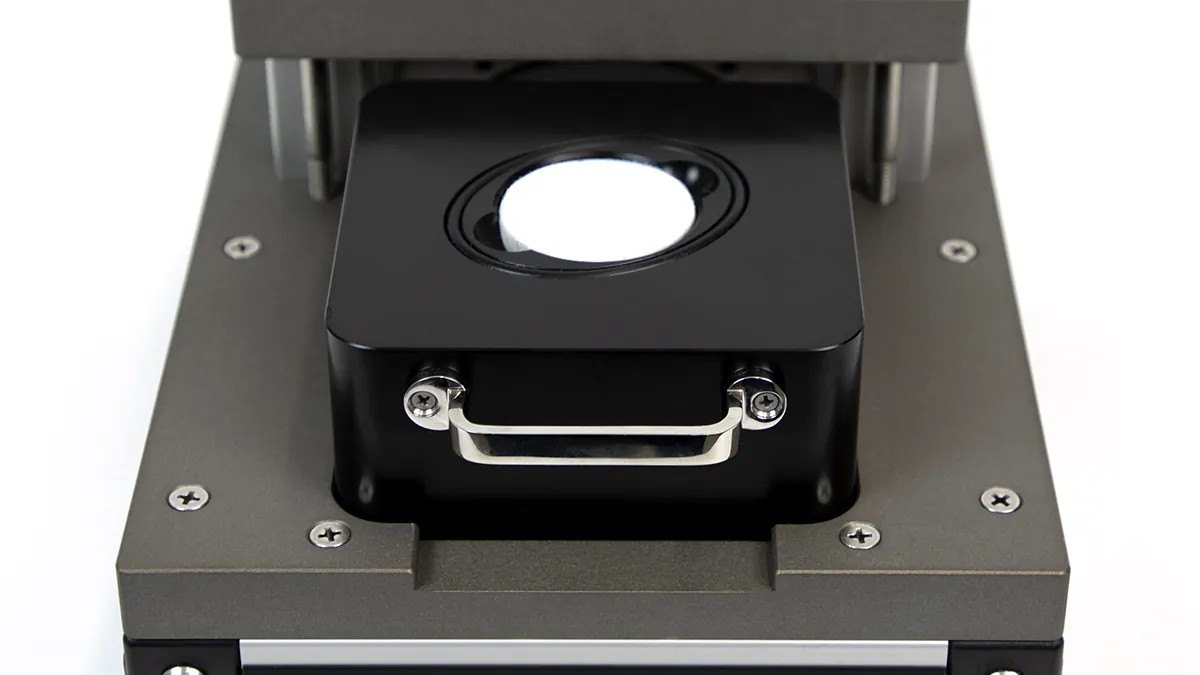
Package test drawer fixture for pharmaceutical container leak testing

Industry Solutions

Pharmaceutical & Medical Packaging Leak Testing

Pharmaceutical and medical packaging teams use package leak testing to evaluate container closure integrity and sealed-package performance in production.

Container closure integrity (CCI) and package-integrity testing can cover flexible bags and pouches, blister packs, sealed trays, vials, rigid containers and device packages. The product format, accessible ports, package behavior and quality plan determine the test approach.

Zaxis supplies production test instruments and fixtures. The manufacturer’s quality team owns acceptance criteria and method validation for the package and its intended use.

Request for Quote

What gets tested

Package-integrity work evaluates whether a sealed package or closure performs according to the manufacturer’s defined quality requirements. Some methods are nondestructive pneumatic measurements; destructive approaches such as bubble/internal pressurization may be used in a manufacturer’s validation program.

A chamber can assess a sealed package from outside the package when a direct connection is not practical. Rigid containers or devices with accessible ports can use a configured pressure-decay test.

•Flexible bags and pouches•Blister packs and sealed trays•Vials and rigid containers•Medical-device packages•Catheter and fluid-management packaging•Closure and seal assemblies

Methods used

Choosing the method

Match the package format, fixture, test access and validation plan to a suitable production method. A production decision is defined by the manufacturer’s quality team.

Vacuum decay and chamber testing

Vacuum decay evacuates a sealed package or part and measures movement back toward atmospheric pressure. Chamber testing evaluates a sealed product from outside the package when no direct port is available.

These pneumatic approaches can keep a product dry and may support nondestructive production measurements when the chamber, fixture and programmed conditions are defined.

Read about vacuum decay →
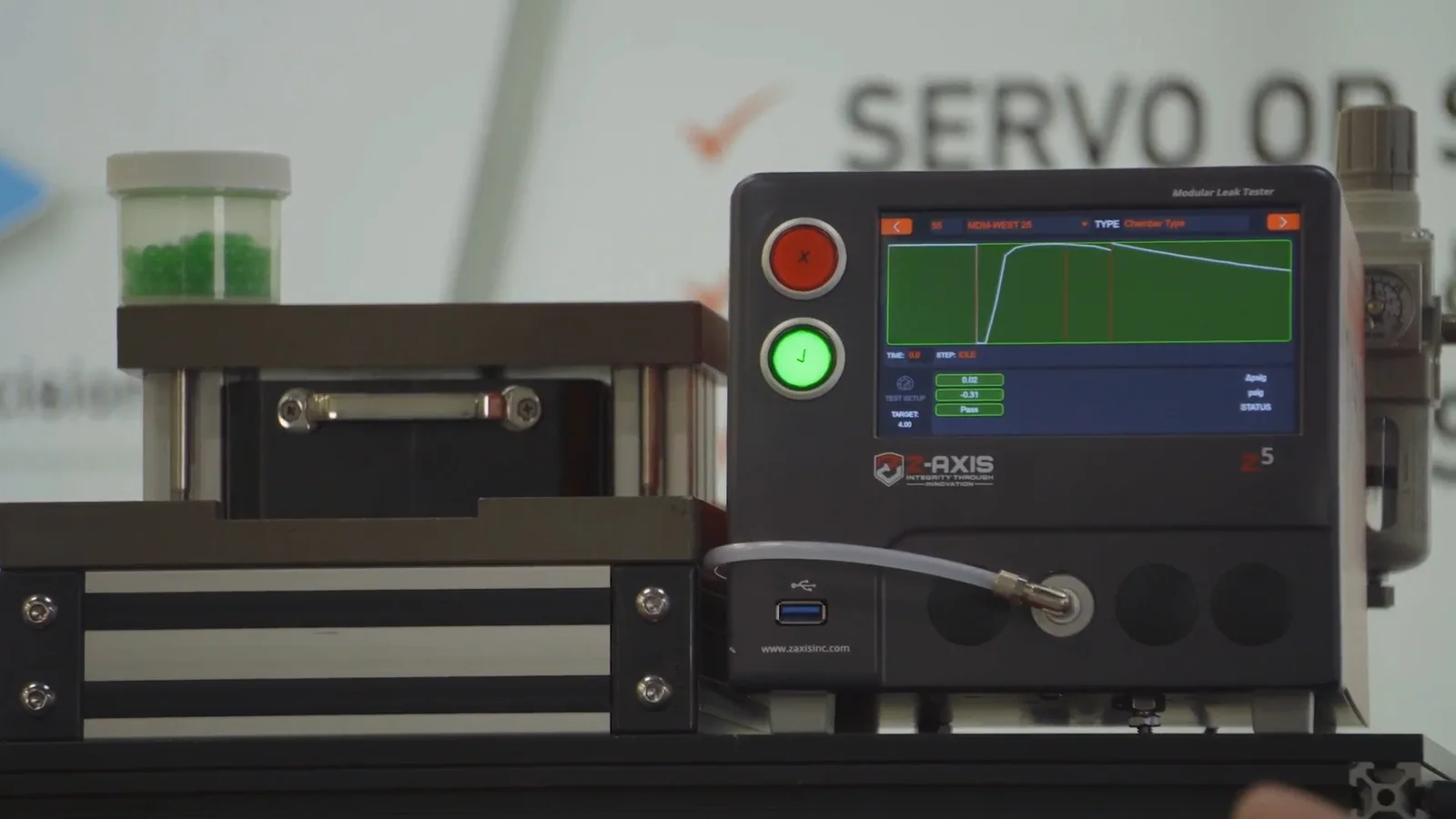
Pressure decay for rigid containers and devices

Pressure decay applies pressure to a sealed container or device, isolates the source and measures pressure loss over a defined interval. A direct port and stable fixture are important to the setup.

It can support a repeatable air-based production decision for rigid containers or connected devices where the manufacturer has defined the test conditions and acceptance criteria.

Read about pressure decay →

Destructive methods in validation context

Bubble/internal pressurization can be used as a destructive method in a package-quality or method-validation program. The manufacturer’s quality team determines the applicable method, sampling and acceptance criteria.

A Zaxis production tester and fixture can provide a separate configured pneumatic measurement where that approach fits the package and production plan.

Explore chamber testing →

Standards scope and validation ownership

ASTM F2338 addresses vacuum-decay testing for nonporous packages. ASTM F2095 addresses pressure-decay package leak testing, and ASTM F2096 addresses bubble/internal pressurization. USP <1207> provides package-integrity evaluation guidance; ISO 11607 addresses sterile barrier packaging.

These references name method or packaging scope only. They do not indicate that a tester, package or process is certified, compliant or qualified. The manufacturer’s quality team owns acceptance criteria, method validation and the final production decision; Zaxis supplies production test instruments and fixtures.

✓ASTM F2338: vacuum decay for nonporous packages✓ASTM F2095: pressure-decay package leak testing✓ASTM F2096: bubble/internal pressurization✓USP <1207>: package-integrity evaluation guidance✓ISO 11607: sterile barrier packaging

In depth: pharmaceutical and medical packages

Flexible and rigid package fixturing

Flexible packages can change shape under pressure or vacuum, so a chamber or fixture should control the package and leave a defined test volume. Rigid containers and connected devices may use a direct pressure connection and a fixture that stabilizes the product.

Fixture design, package behavior and programmed conditions are part of the manufacturer’s method-validation work. Zaxis provides the production test instrument and fixture configuration that the application calls for.

Zaxis package chamber fixture

Related pharmaceutical dispensing

Package integrity testing and precision dispensing address distinct production tasks. Zaxis eVmP valveless metering pumps support controlled pharmaceutical dosing applications including reagents, hydrogels, pre-filled doses and soft-gel manufacturing.

For a pharmaceutical line, evaluate the package-integrity test and the fill or dispensing process as separate, configured stations.

Precision dispensing for soft-gel manufacturing

Applications in this industry

Rigid container loaded into a Zaxis package test fixture

Flexible pharmaceutical and medical packages

A chamber or fixture can evaluate flexible bags, pouches and other sealed packages using a programmed pneumatic method selected around the package behavior and quality plan.

Medical device for configured production testing

Rigid containers and device packages

Rigid containers and connected devices can use a pressure-decay setup when a direct connection and stable fixture fit the package or device.

Chamber test for sealed packaging

Sealed trays and blister formats

Chamber-based production testing can evaluate sealed package formats from outside the package when direct test access is impractical.

Pharmaceutical & Medical Packaging Leak Testing FAQ

What does pharmaceutical package leak testing cover?

It covers package-integrity or container closure integrity evaluation for formats such as flexible bags and pouches, blister packs, sealed trays, vials, rigid containers, device packages and closure assemblies.

What is the difference between nondestructive and destructive package testing?

Vacuum decay, chamber testing and pressure decay can provide pneumatic production measurements without intentionally opening the package. Bubble/internal pressurization may be a destructive method in a manufacturer’s validation program.

When is vacuum decay or chamber testing used?

A vacuum or chamber approach can be used for a sealed package when an external chamber suits the package format and a direct connection is impractical. The manufacturer defines the final method and acceptance criteria.

When is pressure decay used for packaging?

Pressure decay can be used for a rigid container or connected device when a direct port and stable fixture are available. The production conditions and acceptance criteria are set by the manufacturer’s quality team.

What standards are relevant to package integrity?

ASTM F2338 covers vacuum decay for nonporous packages; ASTM F2095 covers pressure-decay package leak testing; ASTM F2096 covers bubble/internal pressurization; USP <1207> gives package-integrity evaluation guidance; and ISO 11607 addresses sterile barrier packaging. These names describe scope, not certification or compliance.

Who owns acceptance criteria and method validation?

The manufacturer’s quality team owns acceptance criteria, method validation and the final production decision. Zaxis supplies production test instruments and fixtures.

Plan your pharmaceutical packaging test station

Request for Quote
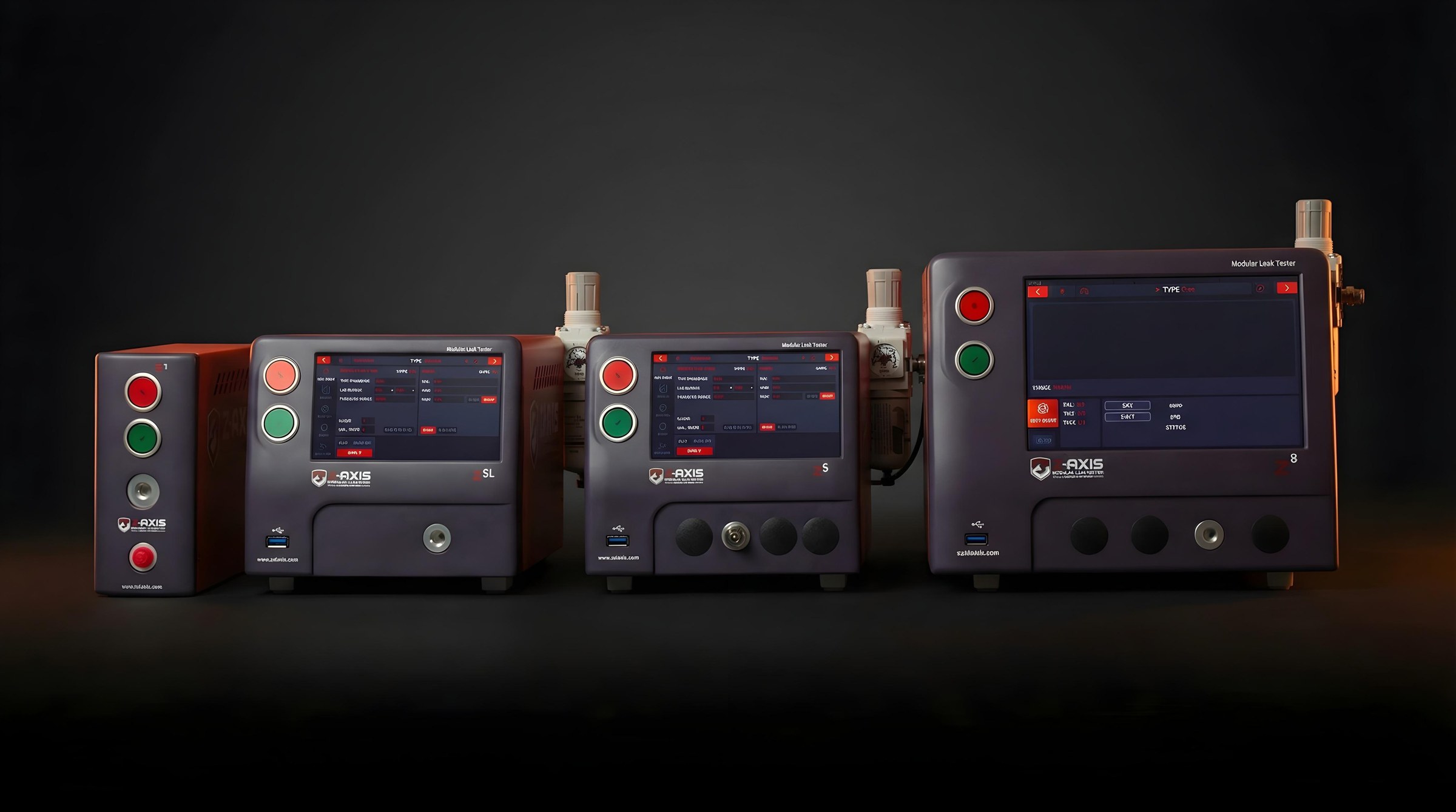
Zaxis leak tester product lineup

For sterile-barrier and package-integrity context, see ISO 11607 and ASTM F2338.