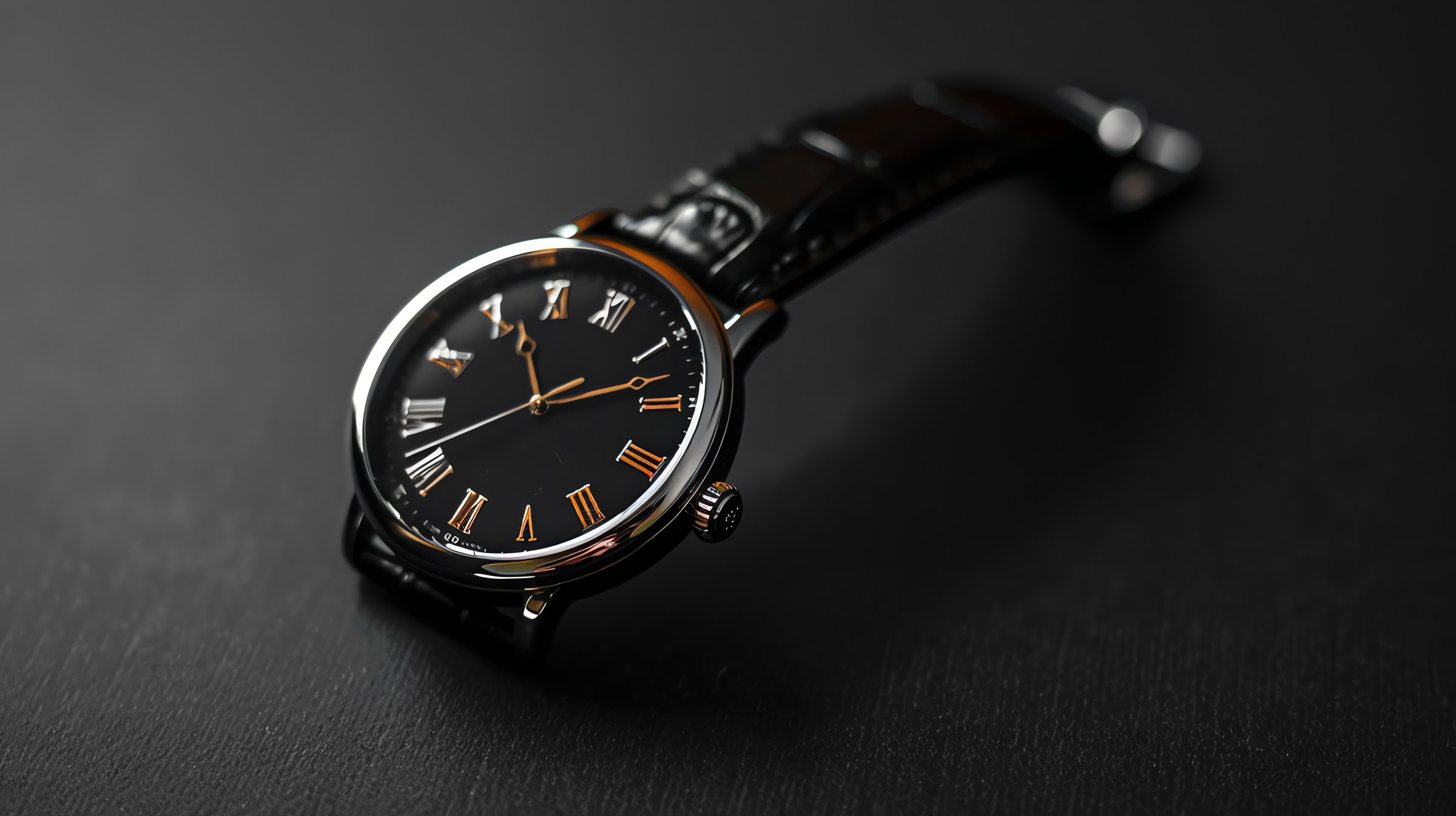
Consumer smartwatch for waterproof leak testing

Industry Solutions

Consumer Goods Leak Testing

Consumer-goods manufacturers use air leak testing to validate sealed components and waterproofing requirements.

Consumer goods and electronics manufacturers can use comprehensive air leak testing to validate IP ratings and bring high-performance products to market.

Zaxis offers configurable air leak testing for a part on a lab bench or thousands of parts on a production line.

Zaxis can configure air leak testing for one part on a lab bench or thousands of parts on a production line, maximizing throughput while maintaining product integrity and quality.

Request for Quote

What gets tested

Consumer-goods production can include waterproof electronics and sealed products that need reliable pass/fail decisions.

Zaxis equipment is designed to provide accurate, repeatable results across production lines.

Consumer-goods manufacturers may test smartphones, water bladder bags, gear watches, construction masks, water bottle valves and adjustable air beds. Zaxis is prepared to design and manufacture a tester for the specific application.

•Smartphones•Water bladder bags•Gear watches•Construction masks•Water bottle valves•Adjustable air beds•Ankle bracelet monitors

Methods used

Choosing the method

Match the test to the product’s usable volume, flexible surfaces and sealing approach so a production result reflects the package or product rather than the fixture.

Pressure decay

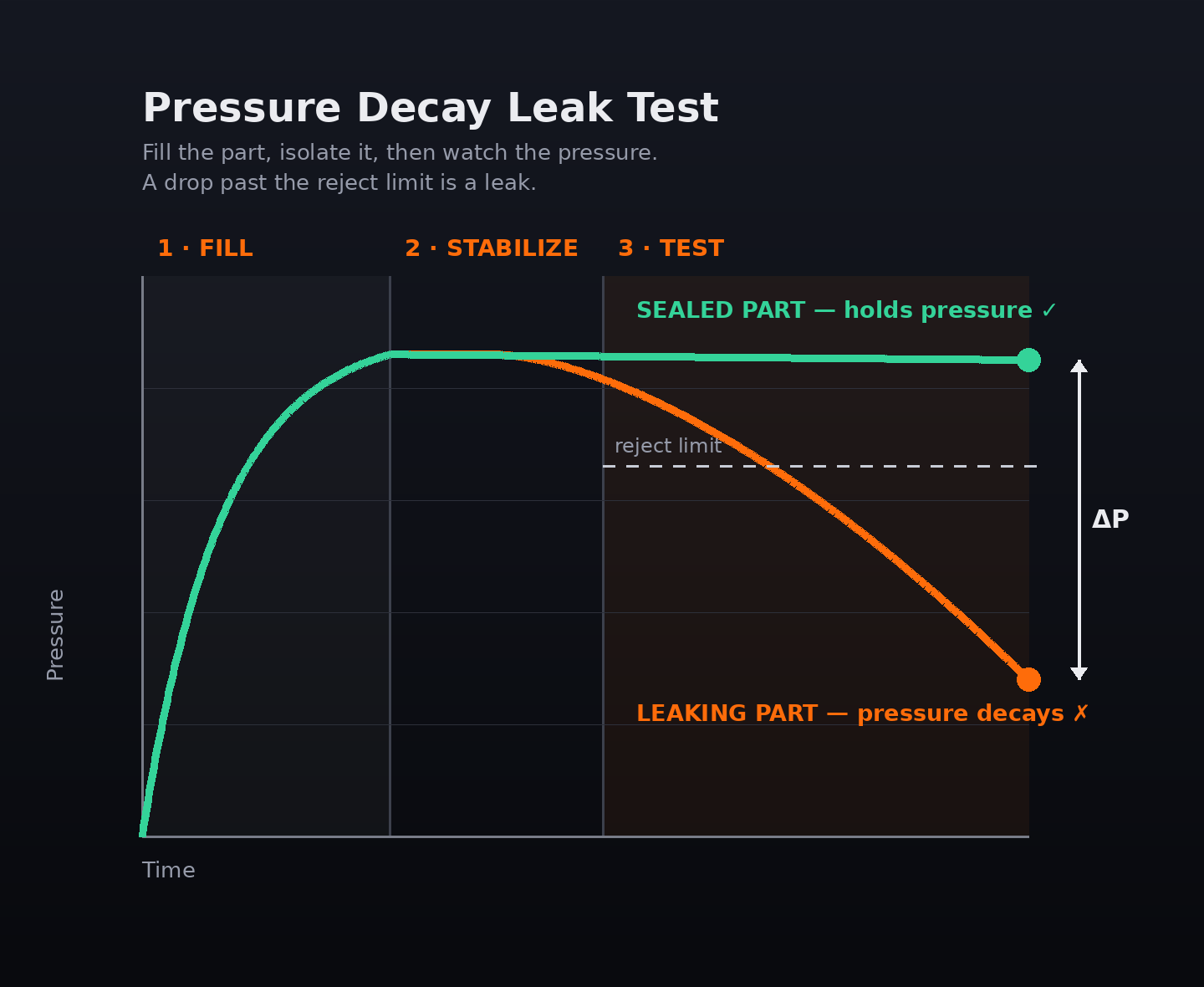
Pressure decay evaluates a product after controlled air fills the test volume and the pressure is isolated. It is appropriate when a consumer product or its fixture can be connected without changing the seal being evaluated.

Part volume and test-circuit volume shape the response: the same hole can produce a slower pressure decline in a larger volume, so fixture clearances and tubing should be kept purposeful.

Pressure decay explained →

Vacuum decay

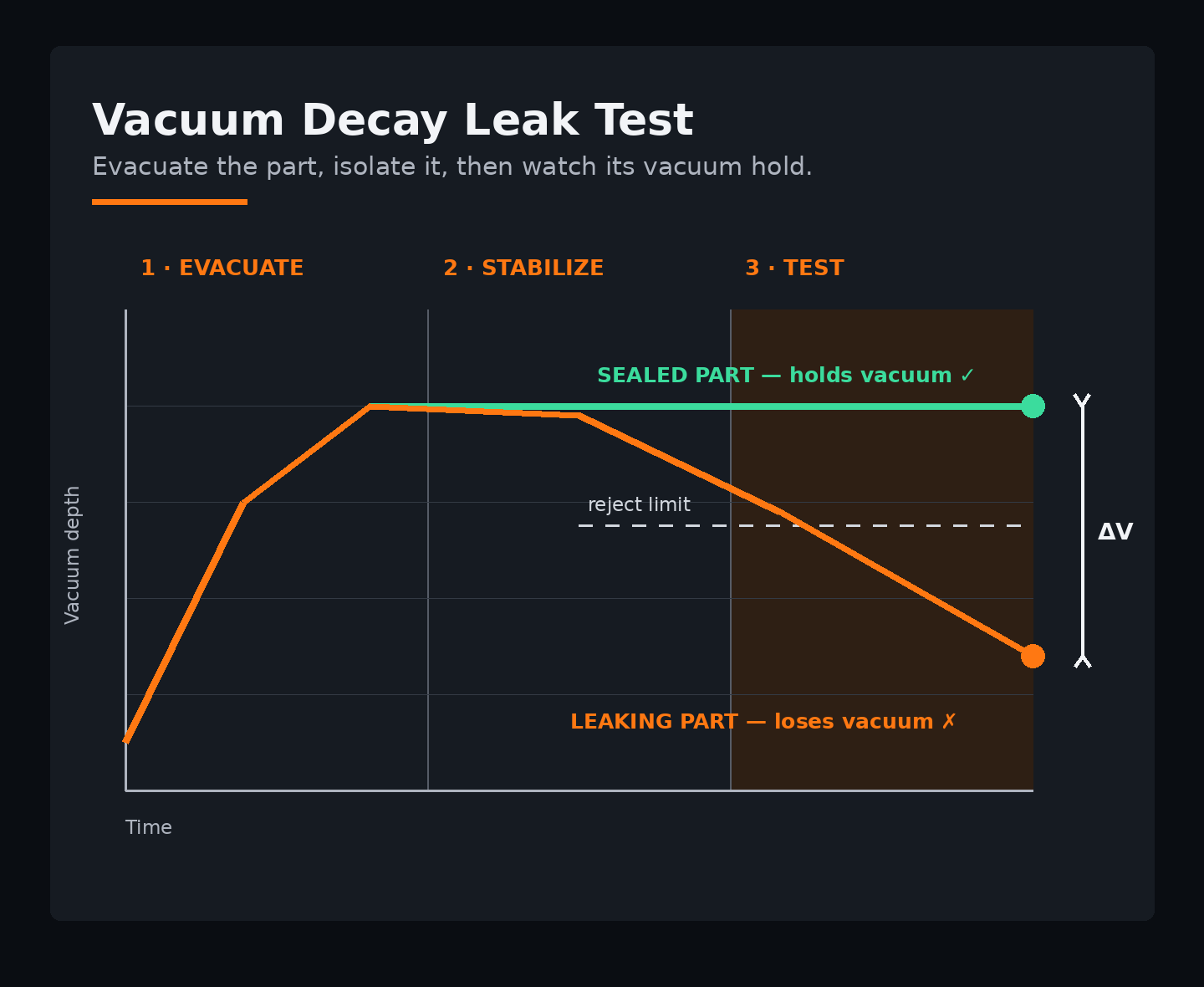
Vacuum decay provides a non-destructive, pressure-based alternative to visual dunk inspection for sealed consumer products, including packages, radios, phones and watches. It compares the vacuum change to an acceptance limit for a clear pass/fail result.

The method can reduce operator variability and avoid water handling, while its pressure-versus-time data supports troubleshooting and validation.

Vacuum decay explained →

Chamber testing

A chamber test evaluates the seal from outside the product, making it practical for a finished water-resistant monitor, beacon or other item without an accessible port. The product sits in a custom nest while the chamber becomes the controlled volume.

A metered quantity of air gives the chamber a consistent fill. A leaking product changes that volume relationship, which produces a different pressure response from a sound product.

Chamber testing explained →

Which Zaxis testers fit

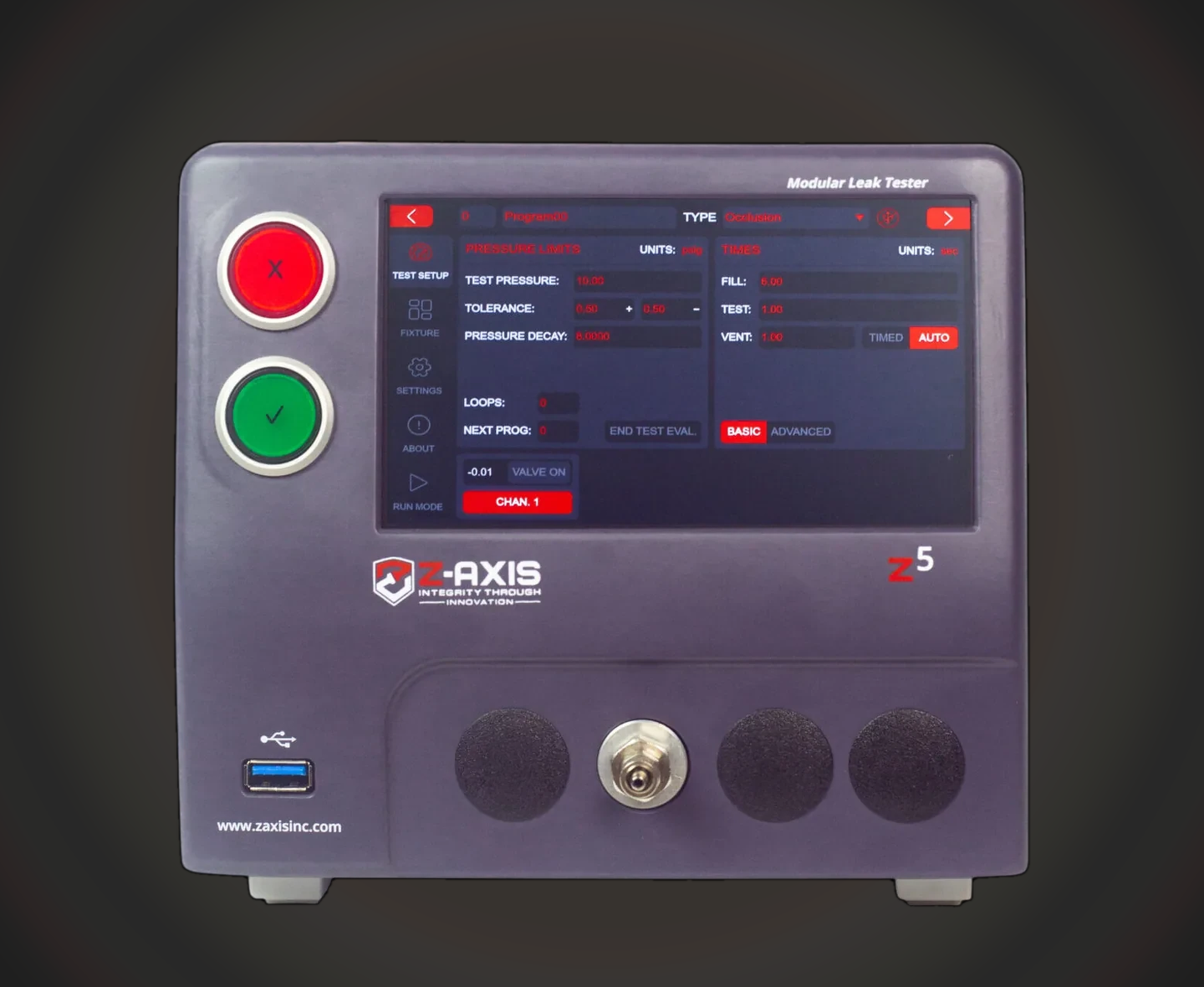
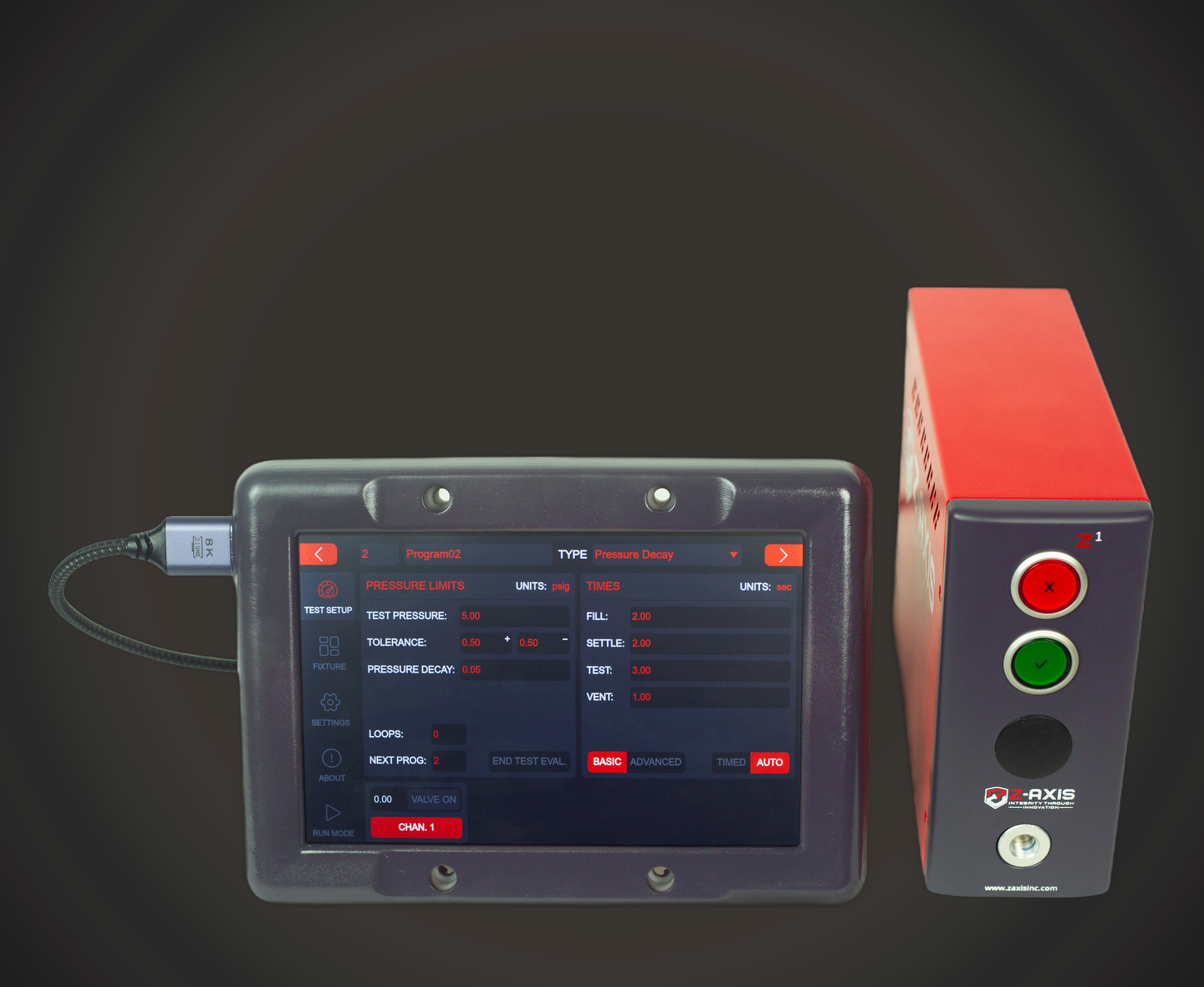
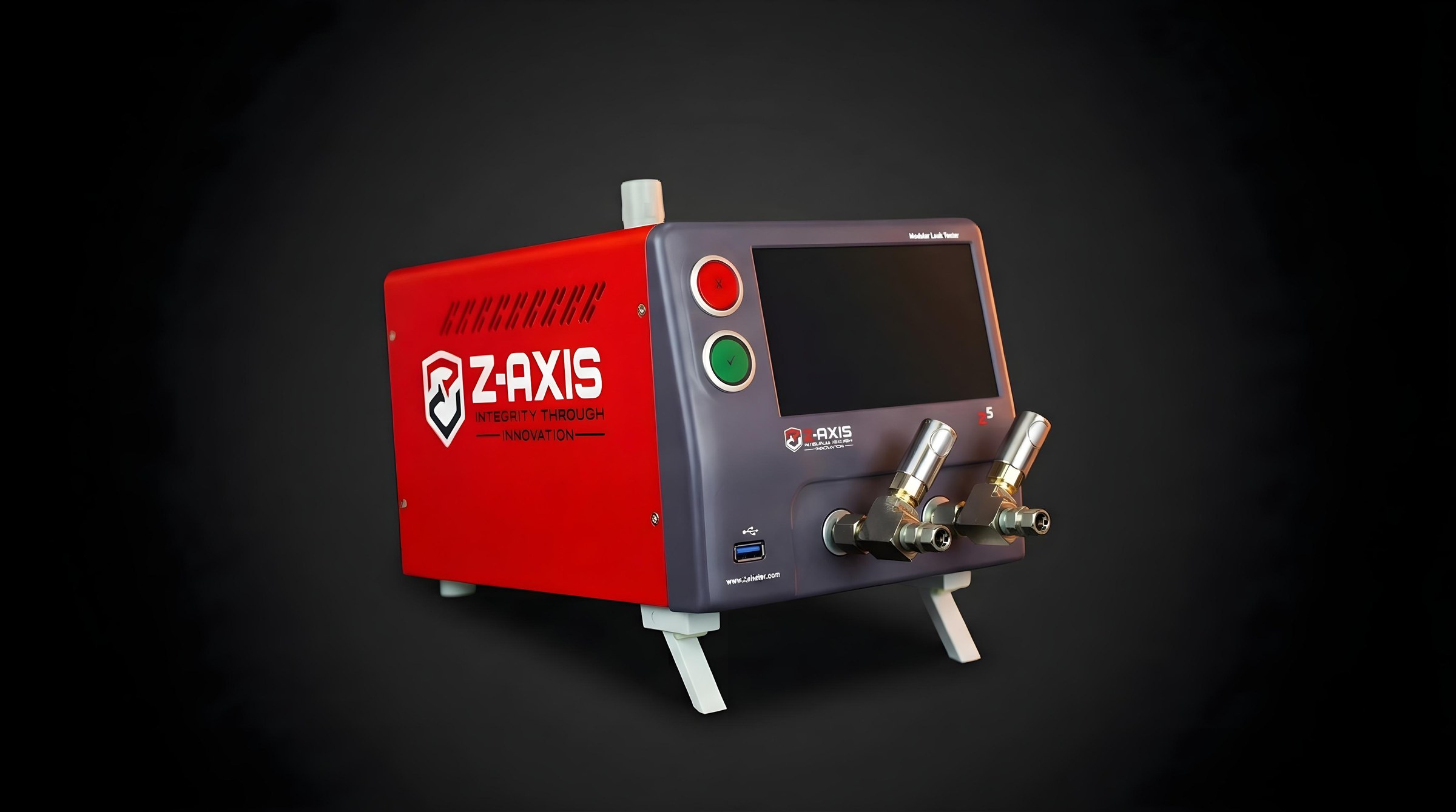
Consumer-goods production can use these Zaxis tester platforms. The Isaac HD, iKit and 7i referenced on this page were discontinued on 03/31/25 with limited parts after 2028; their successors are the Z5, Z1 and Z8.

Waterproofing and fixture facts

Zaxis equipment supports proving IP ratings for electronics or sealed components and waterproof testing.

A custom fixture for ankle bracelet monitors enabled vacuum decay testing on sealed electronic parts; the fixture also supported pressure decay testing.

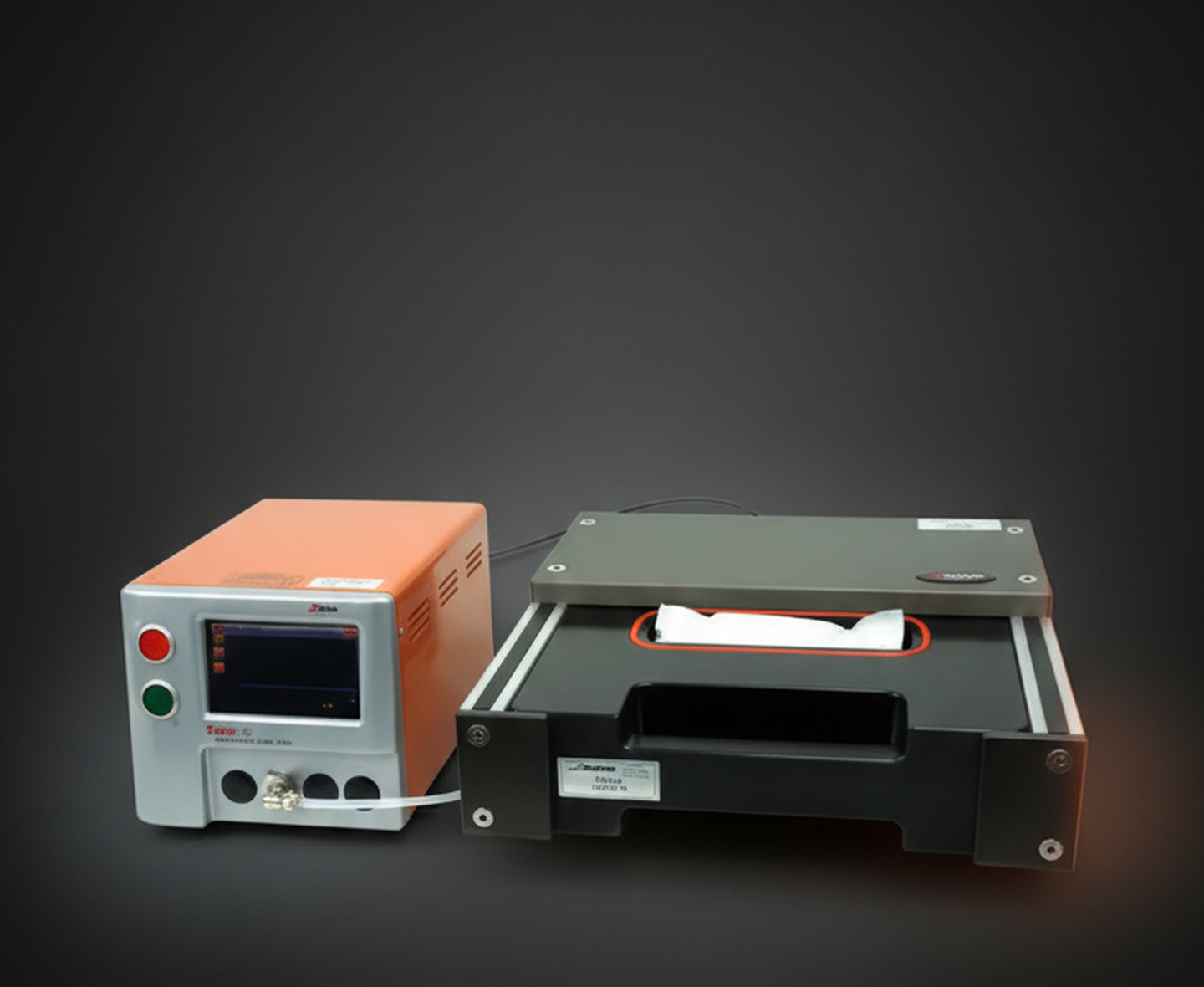
The Isaac HD has a large full-color display and signal processing for test stability and repeatability. It is particularly suited to pressure decay, vacuum decay, mass flow, pressure cracking, burst pressure and valve cracking pressure tests.

Zaxis Z8 air leak tester

In depth: waterproof consumer products

Replacing bubble counts with measurable consumer-product results

Dunk testing connects a product to air, holds it under liquid and relies on bubbles as evidence. Bubble size, counting mistakes, corrosion risk, contaminated-water disposal and slip risk all make that approach a weak foundation for repeatable consumer-product decisions.

Pressure decay uses pressure sensors to quantify change. When a program needs a volumetric leak-rate calculation, it also needs the product volume entered correctly; mass-flow testing instead displays flow rate and places less emphasis on that volume input.

For a production operation, pressure-based testing offers an objective result without requiring the operator to watch for bubbles. The product stays out of a dunk tank, and the tester can compare its reading to the programmed tolerance.

Vacuum-decay graph for consumer-product leak testing

Designing around part volume instead of fighting it

A leak opening can pass the same flow at the same initial pressure in two products, yet their pressure-decay behavior can differ sharply. A small-volume object loses pressure more quickly than a larger-volume object because the larger volume stores more air.

The air path is part of the measurement. Large-diameter tubing and long or convoluted routing add volume, which slows pressure decay and can distort the useful response. Short, direct connections reduce unnecessary air storage in the circuit.

Fixture design contributes as well. Close-fitting inserts and nests reduce dead space around the product, while a secure fit improves test efficiency. Internal tester volume can also affect sensitivity and cycle time, so the complete test volume deserves attention before setting the program.

Pressure-decay graph showing the effect of product volume

Preventing fixture effects from becoming false leak calls

A fixture must contain and seal the product without changing the very condition under test. If a fixture squeezes a part, it can raise internal pressure and hide an existing leak; if it relaxes during a pressure-decay cycle, increasing product volume can create a false reject.

Temperature changes can also produce unexpected behavior, especially with flexible internal seals and pressurized products. Differential pressure testing can help account for temperature-driven changes because it compares the test part with an equal reference volume.

Operators should minimize handling during the cycle, particularly for products with a large volume ratio or high surface-area-to-mass ratio. Consistent sealing and a hands-off sequence make the measurement more repeatable before the product proceeds through the line.

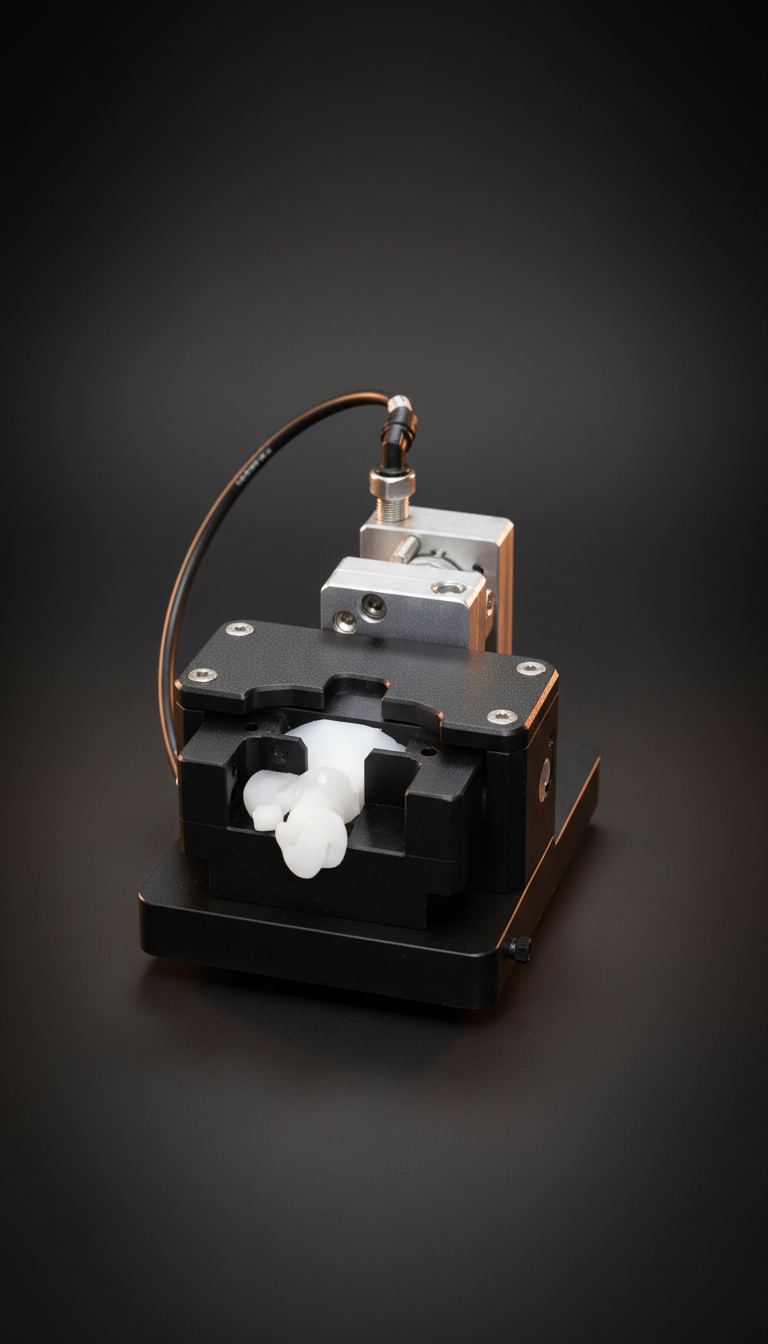
Custom fixture for stable consumer-product leak testing

Applications in this industry

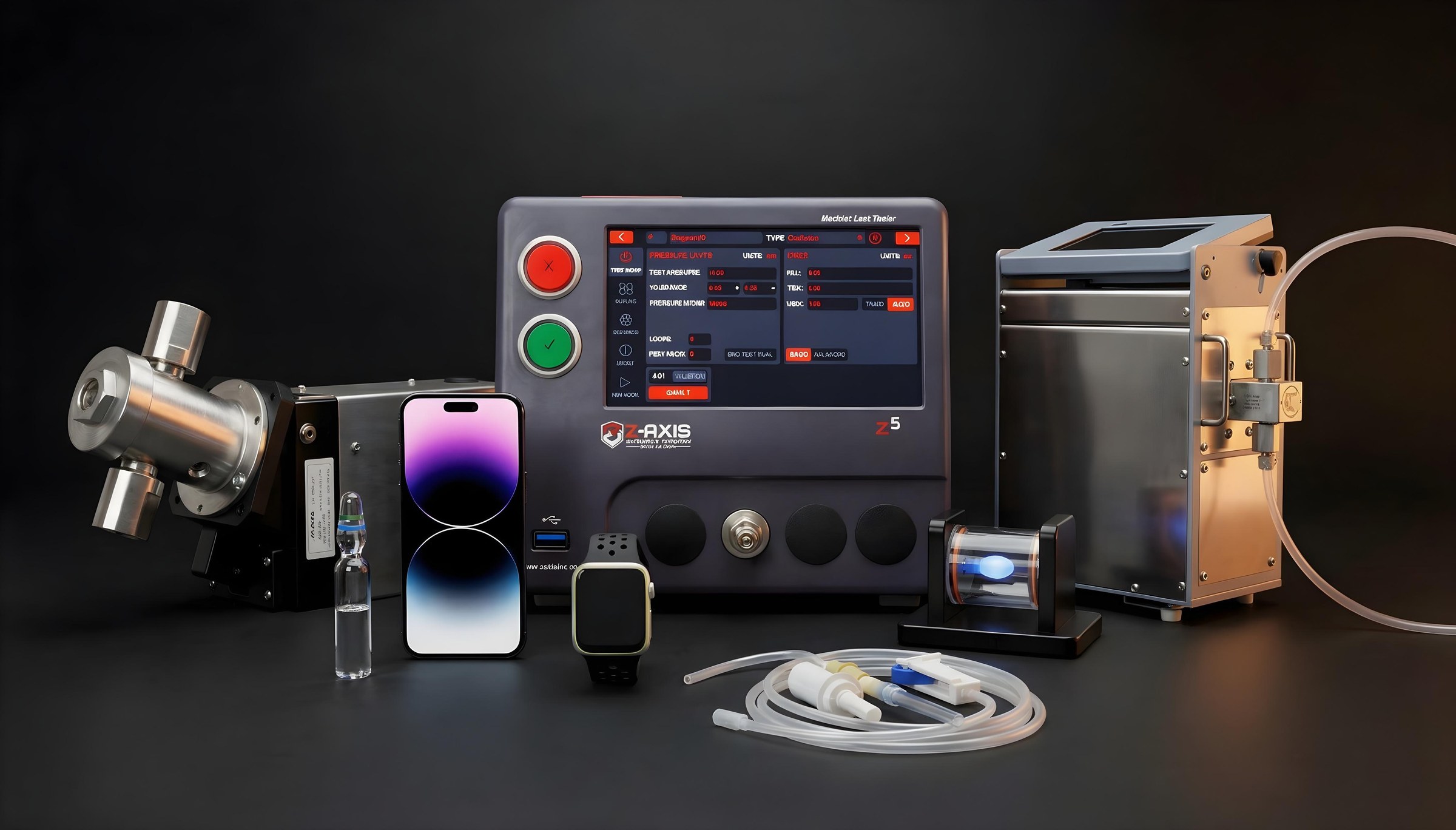
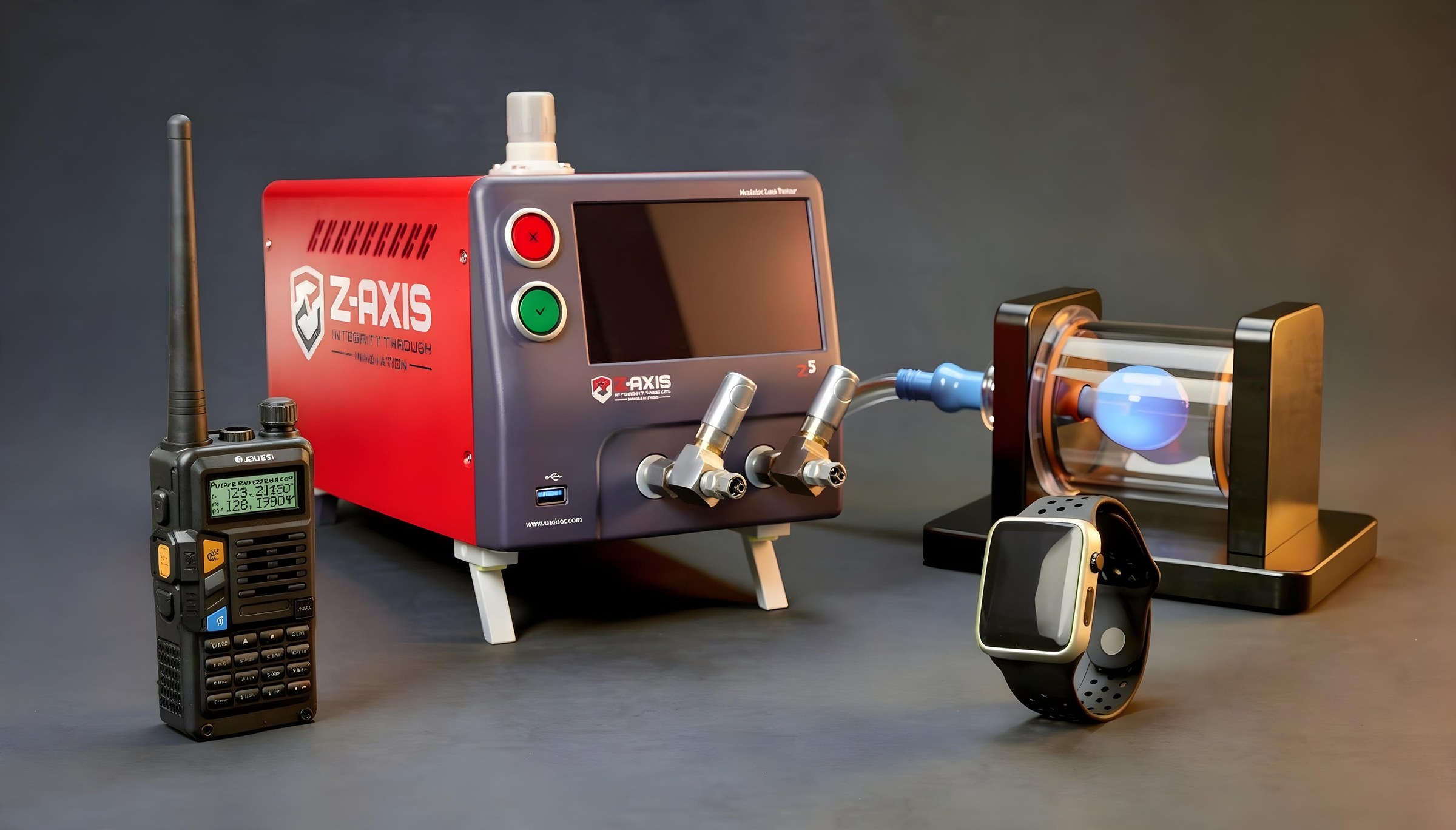
Zaxis Z5 leak tester with a smartphone, smartwatch and sealed consumer parts

Waterproof electronics

Smartphones and gear watches are leak tested to prove their IP ratings and waterproof performance before they go to market.

Zaxis 7i leak tester with a flexible product sealed in a test fixture

Water bladders and valves

Water bladder bags, water bottle valves and adjustable air beds are tested for accurate, repeatable results on a bench or on the production line.

Zaxis tester with a sealed chamber fixture next to a handheld radio and smartwatch

Sealed monitoring devices

A custom Zaxis fixture seals around an ankle bracelet monitor so its sealed electronics can be vacuum-decay tested; the same fixture also supports pressure decay.

Consumer Goods Leak Testing FAQ

How was a water-resistant ankle bracelet tested?

Zaxis developed a custom fixture that sealed around an ankle bracelet monitor so its sealed electronic parts could undergo vacuum-decay testing.

Can the ankle-bracelet fixture also run pressure-decay tests?

Yes. The custom ankle-bracelet fixture that supports vacuum decay is also compatible with pressure-decay tests.

Which consumer goods can require IP-rating and waterproof testing?

Any sealed consumer product that has to survive water exposure: phones and gear watches, water bladder bags and bottle valves, construction masks and adjustable air beds all reach the market with a leak test behind them.

Which tests is the Isaac HD suited to for consumer goods?

The Isaac HD is suited to pressure decay, vacuum decay, mass flow, pressure cracking, burst pressure and valve cracking pressure testing.

Can a consumer-goods tester run multiple programs in one machine?

Zaxis modular designs can be customized for the production need and can run multiple programs and tests in a single machine.

How can leak testing help water-resistant wearable devices?

A reliable leak-test fixture helps detect water infiltration before a wearable device is exposed to a shower, bath or other water exposure.

Can consumer-goods leak testing move from a bench to high volume?

Zaxis configures equipment for individual parts on a lab bench and for thousands of parts on an automated production line.

How can a flexible consumer product create a false leak result?

If a fixture relaxes during pressure decay, the product volume can increase and reduce pressure, producing a false reject. Fixture force should seal the product without changing its test condition.

Why do two consumer products with the same hole show different pressure decay?

At the same starting pressure, a larger internal volume stores more air and loses pressure more slowly than a smaller volume, even when the leak opening is the same.

Ready to Ensure Product Integrity ?

Request for Quote