
Vacuum Decay Leak Testing
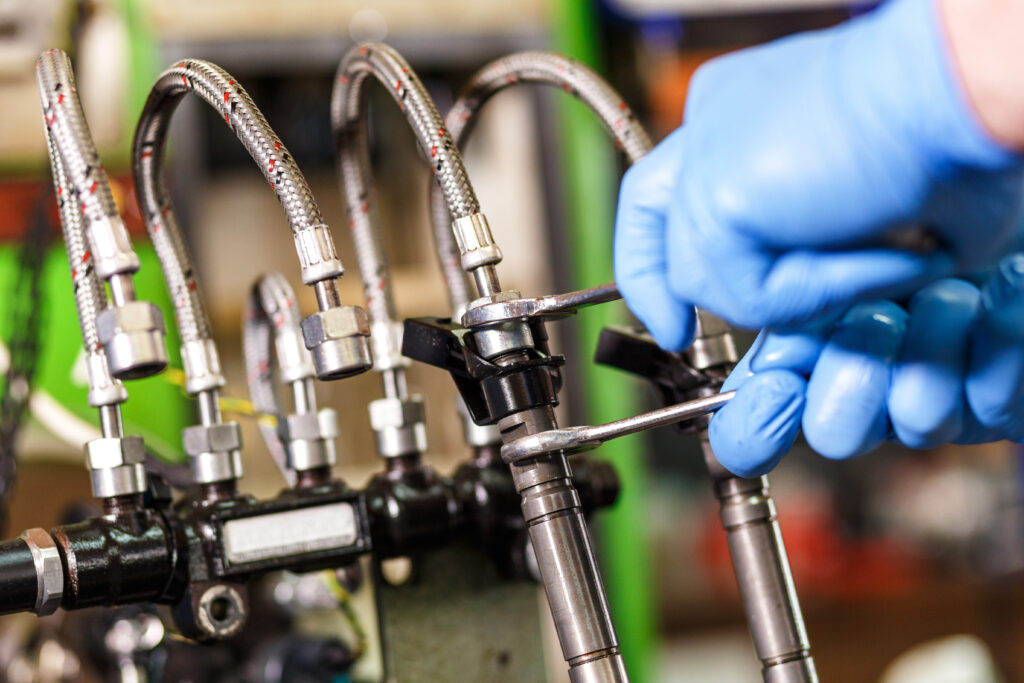
In industrial manufacturing, confirming that products are leak-free before they reach end users is essential. From medical catheters and implantable devices to fuel injectors and electronic enclosures, even minor leaks can lead to performance issues and safety concerns.
Vacuum decay leak testing is a fast, repeatable, and non-destructive leak detection method used across industries to verify part integrity. Compared to traditional leak testing methods, vacuum decay testing delivers reliable results with minimal variability and integrates seamlessly into automated production lines.
What is a Vacuum Decay Leak Test?
A vacuum decay leak test evaluates whether a part or package is leaking by measuring changes in pressure while the part is under vacuum. The test compares vacuum decay against a defined acceptance limit to determine pass or fail results.
Some manufacturers still rely on dunk testing: submerging parts in water and visually inspecting for bubbles. While this approach may seem straightforward or cost effective, it is slow, inconsistent, and susceptible to human error.
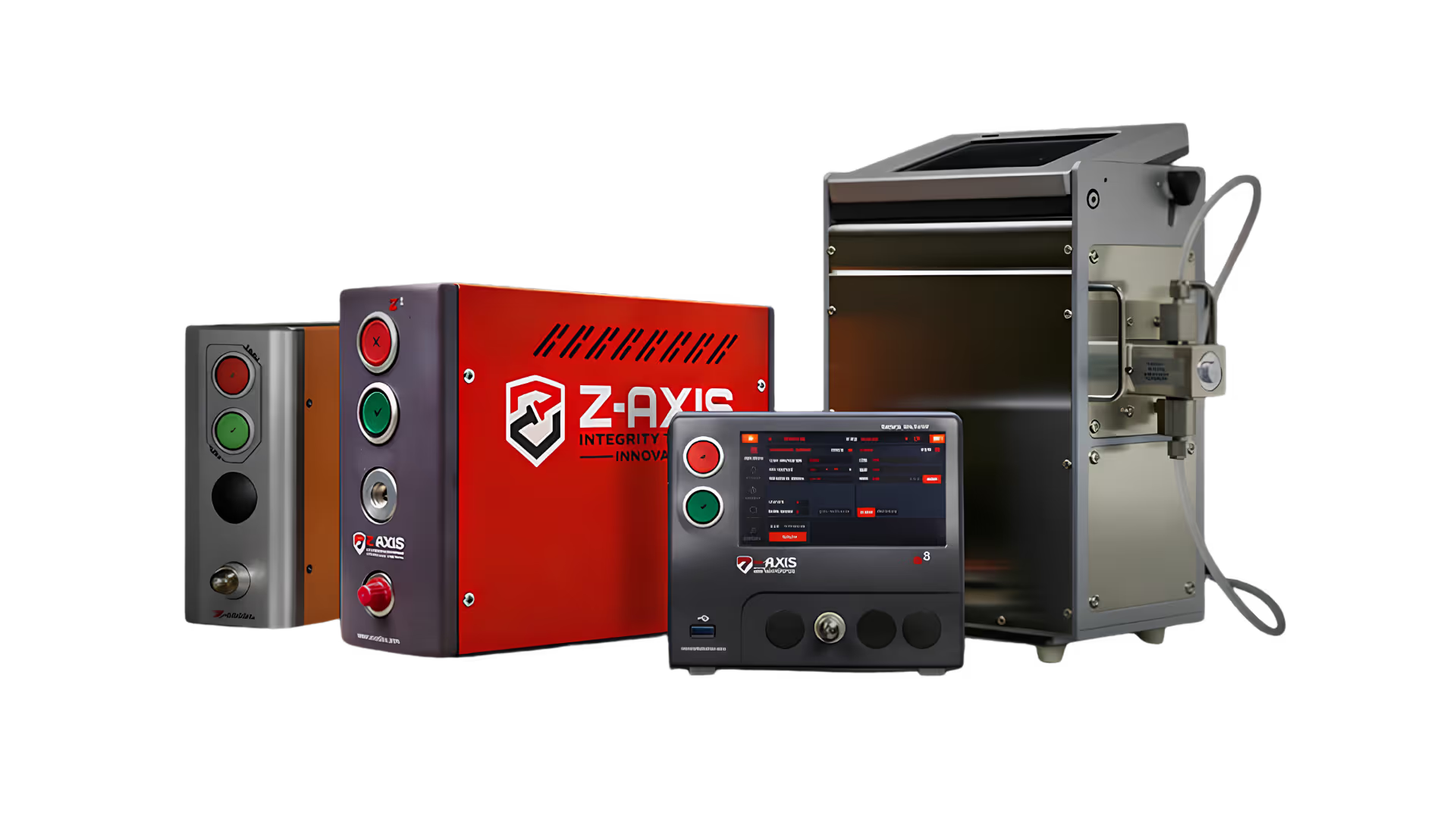
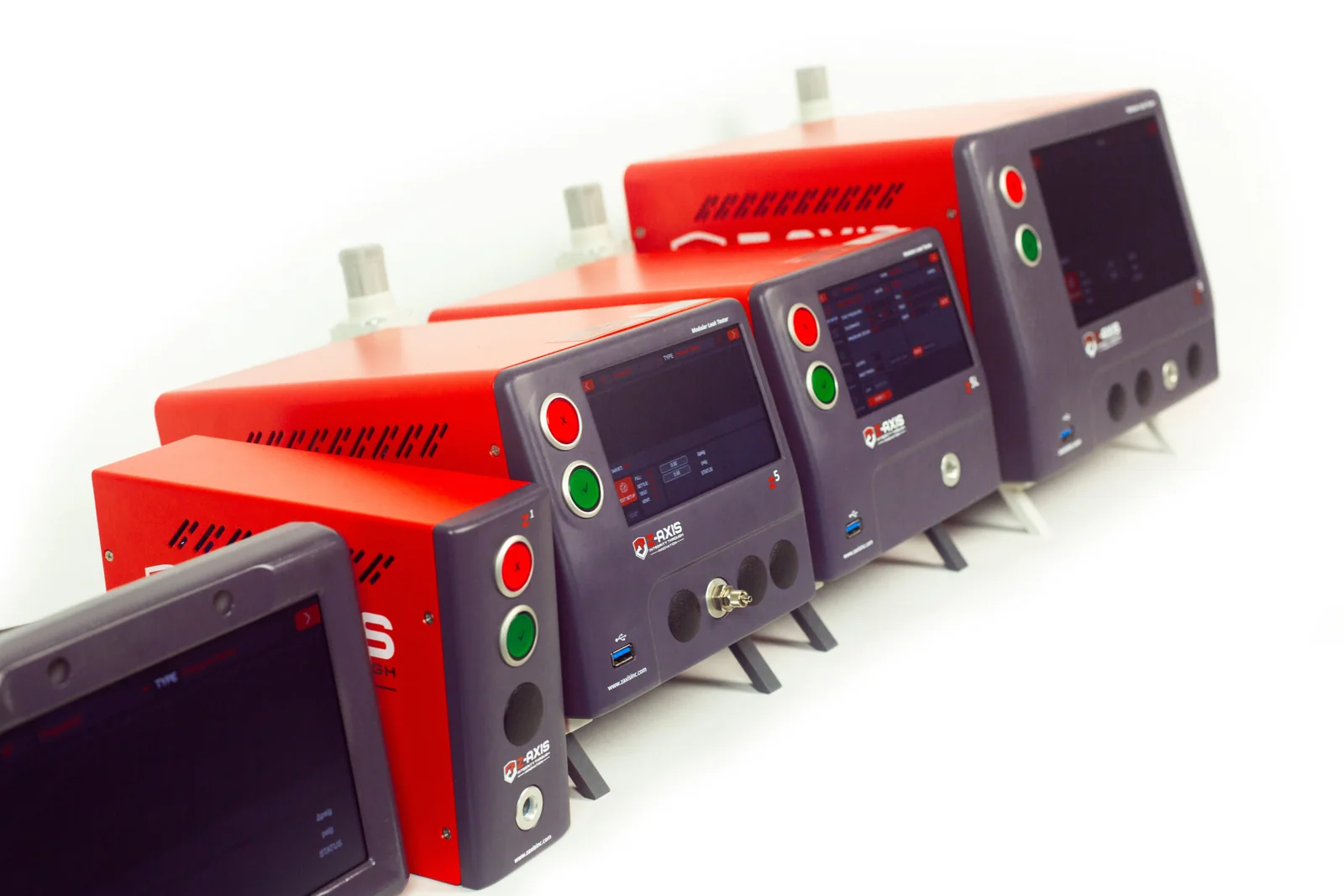
Vacuum-based testing eliminates these issues by using precise pressure measurement instead of visual inspection. Zaxis vacuum decay testers deliver fast, repeatable test cycles with high-resolution accuracy down to the 5th decimal place, or 0.00001 PSI, ensuring consistent results across every part tested.
Advantages of Vacuum Decay Leak Testing
Vacuum decay testing offers several benefits that make it a preferred leak detection method for manufacturers:
- Fast cycle times that support high-throughput production
- Highly repeatable results with minimal operator influence
- Non-destructive testing that preserves product integrity
- High sensitivity capable of detecting extremely small leaks
- Reduced variability compared to visual inspection methods
- Clear pressure-versus-time data for troubleshooting and validation
Typical Applications
Vacuum decay leak testing is used across a wide range of industries and applications, including:
- Implantable medical devices
- Medical catheters
- Electronic enclosures
- Sensors and indicators
- Packaging and sealed containers
- Radios and communication devices
- Cell phones and smartwatches
- Industrial components and assemblies
Its versatility makes it suitable for both small, delicate parts and larger sealed systems.
Leak Testing for Automated Production Lines
For manufacturers focused on quality, efficiency, and repeatability, vacuum decay testing integrates easily into automated production lines. Compared to dunk testing and other manual methods, it delivers faster results, cleaner operation, and greater confidence in test outcomes.
USA-Made Leak Testing Solutions from Zaxis
Zaxis designs and manufactures USA-made air leak testing equipment for industrial production environments. Our vacuum decay systems are engineered for precision, durability, and long-term performance, with configurations tailored to your specific requirements.
Zaxis equipment offers:
- Custom solutions designed around your application
- Seamless integration into existing automation
- Reliable results across shifts and production runs
- Clear, easy-to-interpret data for operators and engineers
Why Choose Zaxis for Vacuum Decay Leak Testing?
Zaxis vacuum decay leak testers provide fast, reliable leak detection for a wide range of industries. Whether you are testing sealed packaging, medical devices, or industrial assemblies, our equipment delivers consistent accuracy and efficiency every time.
Get Started with Zaxis
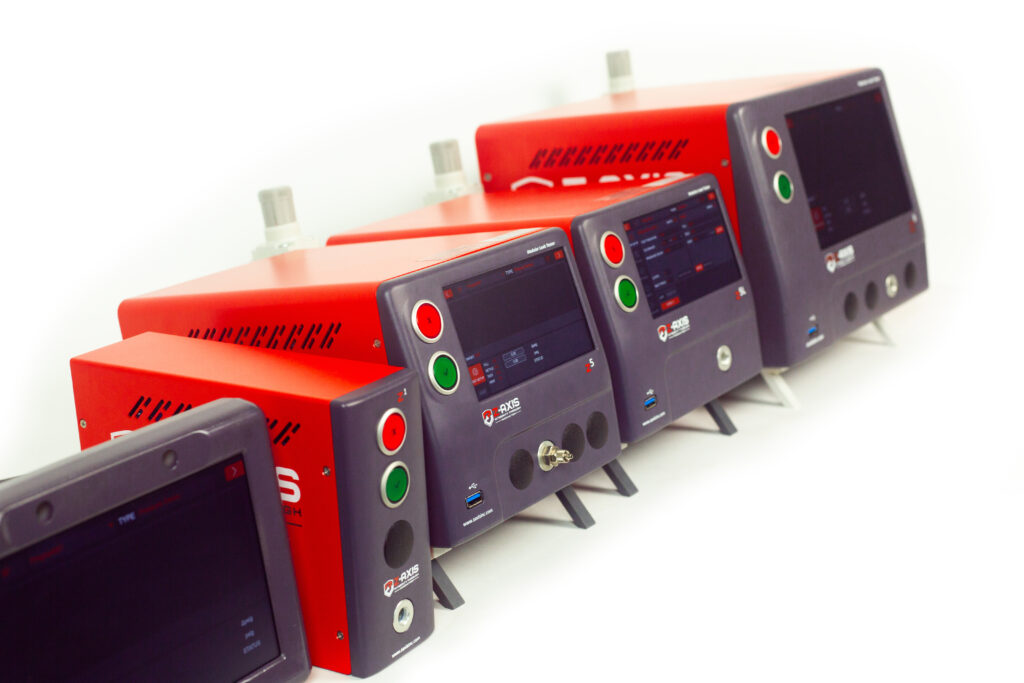
Zaxis is a leading manufacturer of air leak testing equipment for automated production lines. If you are looking to improve quality control and ensure leak-free products, vacuum decay leak testing is an effective solution.
Contact Zaxis today to learn more about our vacuum decay leak testing equipment or request a quote tailored to your application.
Related posts
Talk with a leak testing specialist
Discuss the right test approach for your part and production requirements.
Request a Quote