

Tech-Note – Troubleshooting Internal Leaks – ASCO Valves
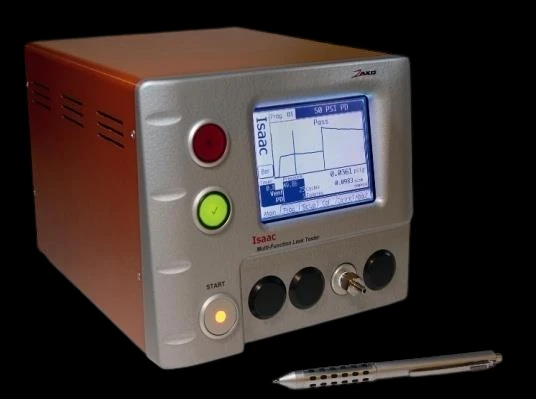
Troubleshooting
Internal Leaks
At the factory a baseline leak test is performed to verify leak-tightness and functionality. This test is a good indicator of an internal leak. The parameters are listed below.
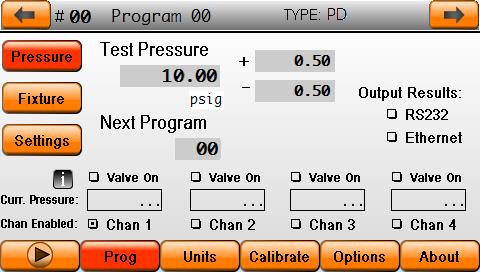
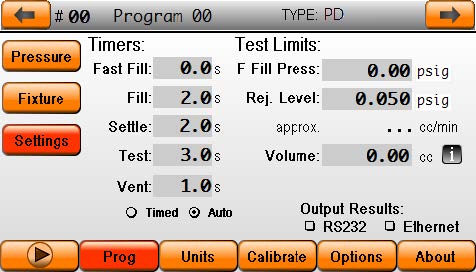
When setting the test pressure, cap the test port before selecting the pressure field.
Running a capped port test with these parameters should yield a decay value less than 0.005psig.
For Isaac Leak Testers running vacuum tests, the possibility exists to bring debris in to the tester during normal test cycles. (Debris from test parts or dirty incoming air can be trapped in the 2-Way valve, holding the valve in an open position.)
The test valves are easily accessed and cleaned without removing them from the system.
The coil of the valve is removed by lifting the edge of the retainer plate, and sliding it off the solenoid base.
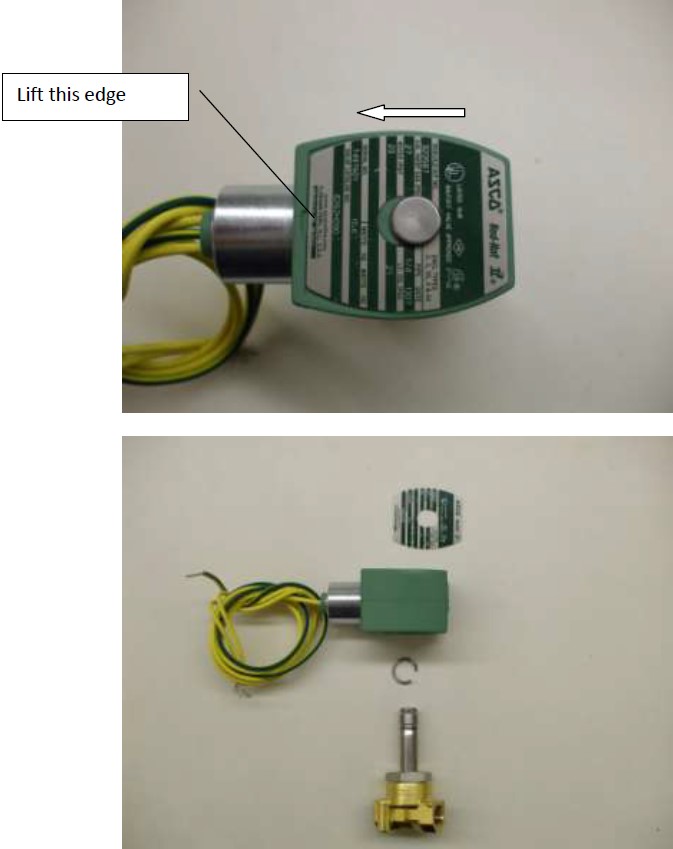
Wrench flats will allow the base and stem to be seperated. Clean any debris from the valve seat and core.
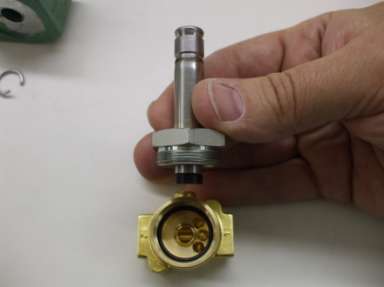
Re-assemble the valve and re-run the self test.
If you have any additional questions, please feel free to contact us.
Leak Rate Calculator
Volume : cm3
Pressure: PSI
Time: seconds
Atmospheric pressure: PSI
Leak Rate: SCCM


