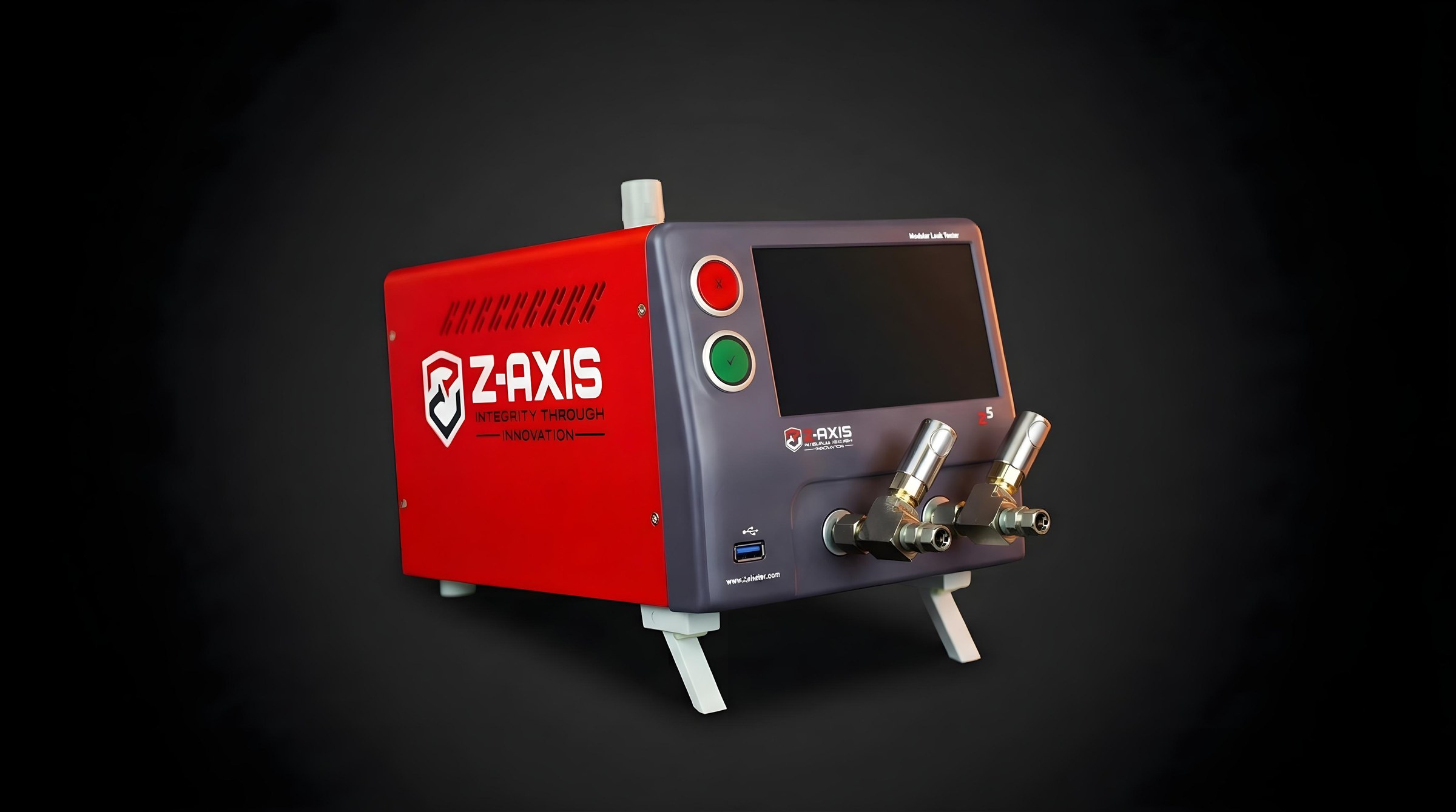
Air supply
The plunger mechanism produces the tester’s fixed air volume independently.


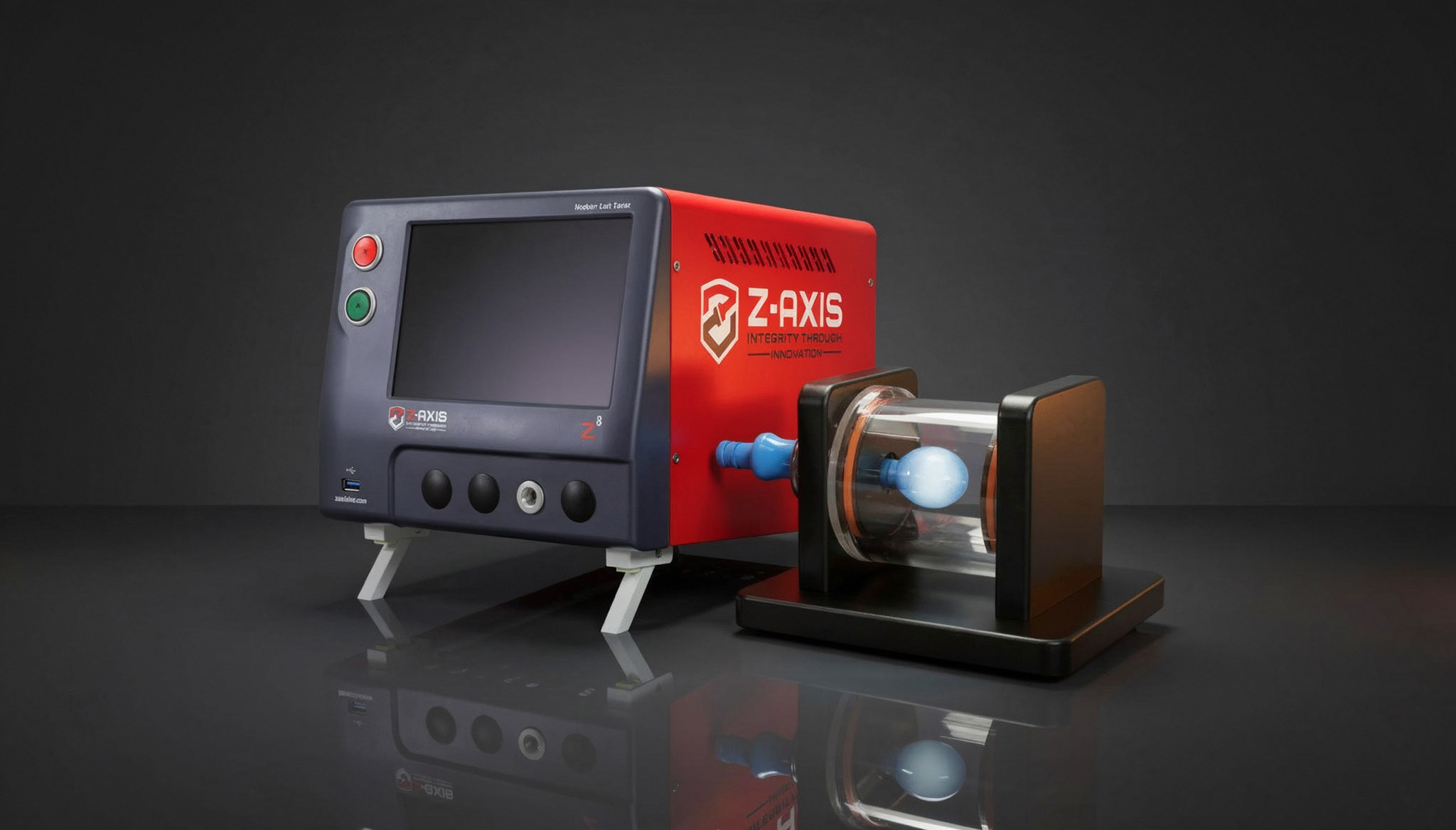
Volumetric Air Leak Tester
The Zaxis 7i VM3 is a volumetric air leak tester for pressure decay testing where an external air supply is not available or not desired. Rather than drawing test air from house air, the VM3 uses a plunger mechanism to generate a fixed, consistent volume of air independently. The result is a pressure-decay test approach built around the volume the tester creates for the part and fixture.
The VM3 was originally designed for balloon catheters. It is also used for chamber testing and pressure-decay testing of sealed parts, including electronics, wearables and medical devices. Those applications share a practical requirement: create a controlled test condition for a sealed component, then evaluate it without relying on plant air at the station.
A large 7-inch color touch screen puts setup and program selection at the tester. Up to 100 stored programs let one VM3 retain test setups for different parts or test conditions, so the station can be prepared for repeat production work without rebuilding every setting from the beginning.
EtherNet/IP compatibility supports connection to automated production environments. The VM3 also retains the 7i platform’s configurable approach to test methods, communication and installation, giving manufacturers a volumetric option when a conventional externally supplied air test is not the right fit.
Request a QuoteThe VM3 gives a pressure-decay station its own controlled air volume. Its plunger mechanism generates that fixed volume directly, removing the need to connect the test station to an external or house-air supply. That distinction makes the VM3 a focused choice for applications where a self-contained volumetric approach is needed.
The VM3 is not positioned as a replacement for every conventional air leak tester. It is a distinct 7i configuration for cases in which the air volume is generated by the tester itself. That same setup can be applied to balloon catheter work, chamber testing and other sealed-part tests, allowing the test station to be selected around the application rather than around a house-air connection.
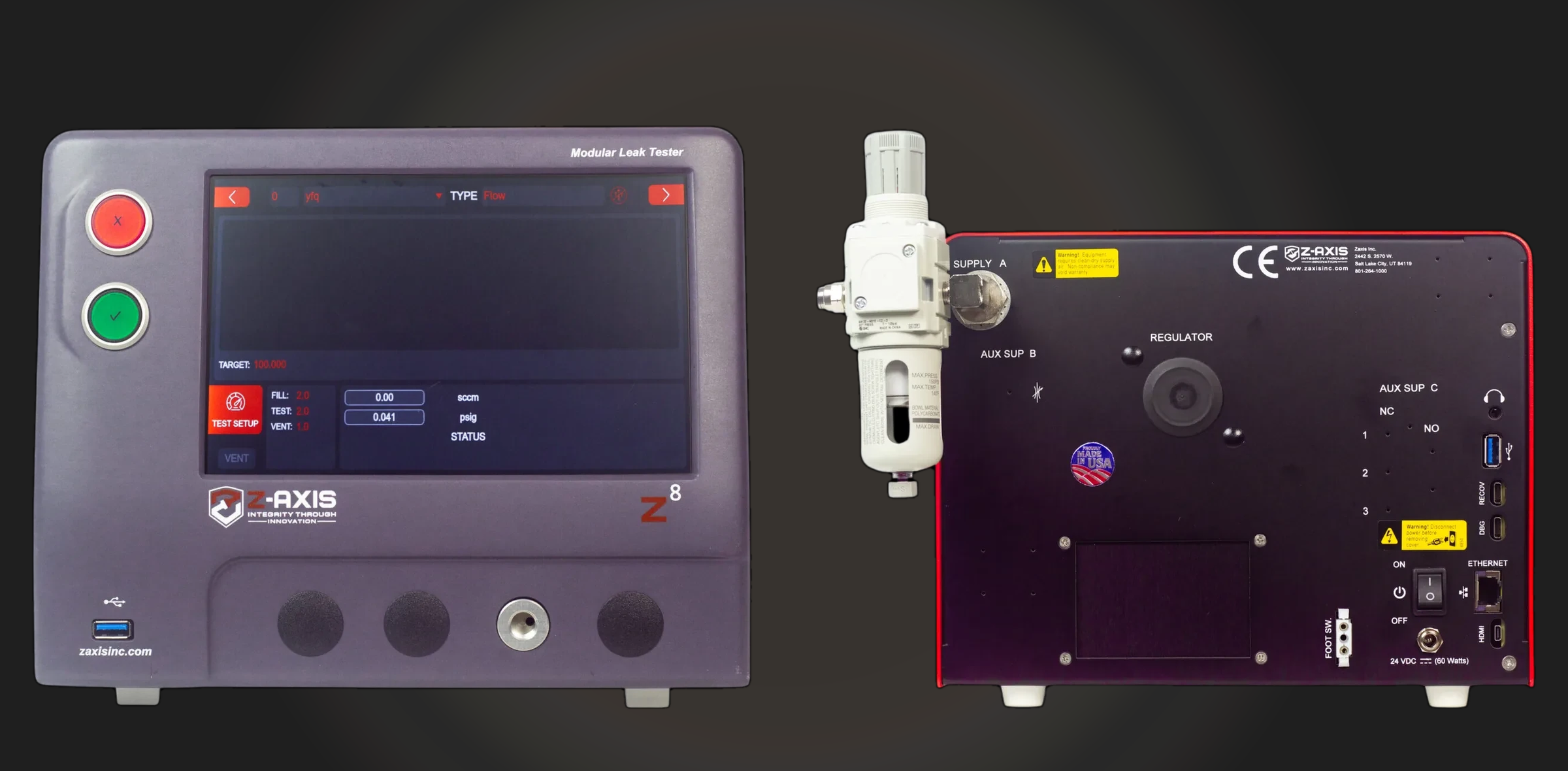
The plunger mechanism produces the tester’s fixed air volume independently.
A large touch screen provides the primary interface for setup and operation.
Keep repeatable setups available for different parts and applications.
Connect the tester to an automated production environment.
Evaluate sealed components using a volumetric test approach.
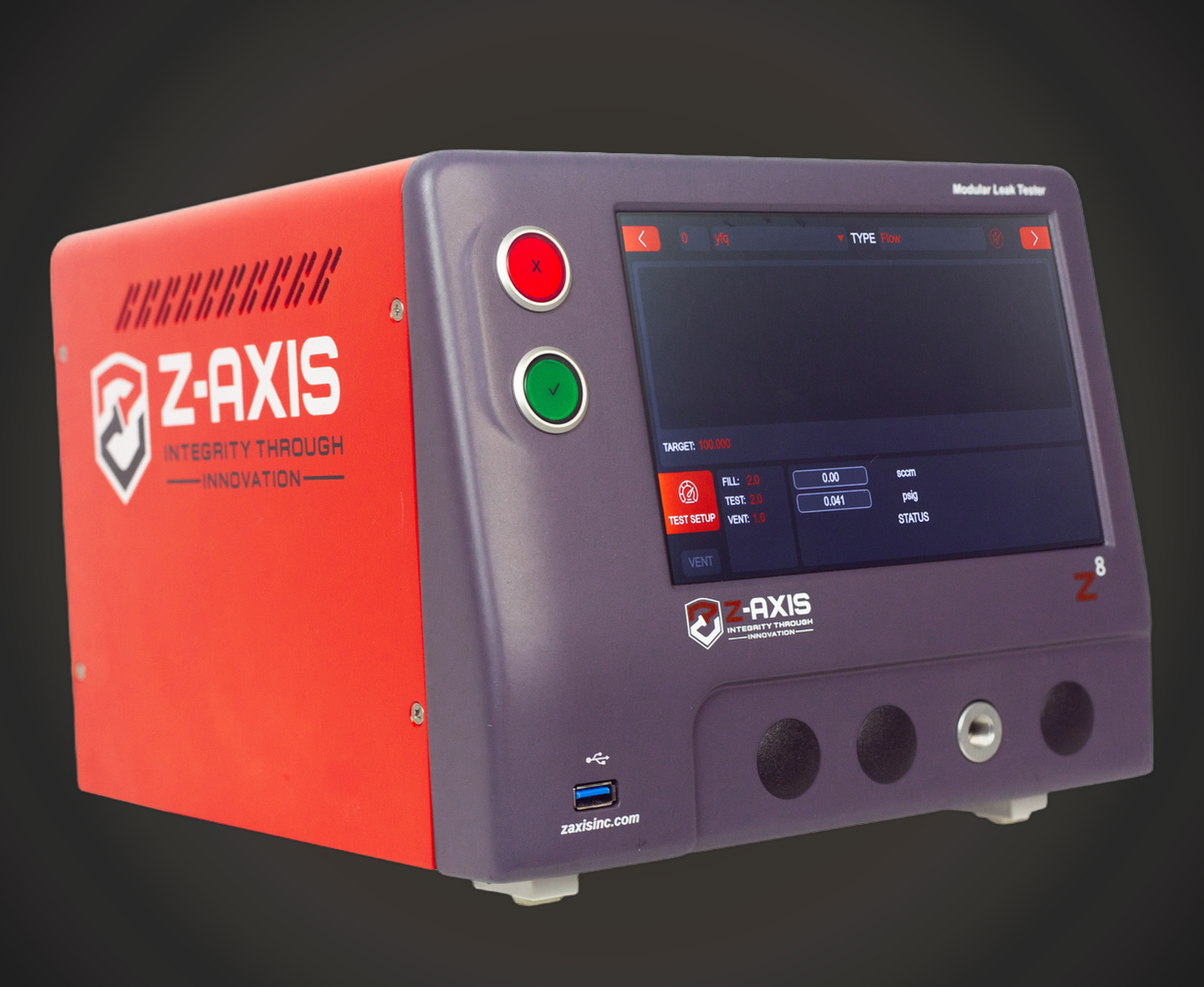
The VM3 combines the 7i platform’s large touchscreen, program storage and communication options with a plunger-driven volumetric configuration. Each capability supports the core purpose of the station: perform repeatable pressure-decay testing without an external air source.
The VM3’s differentiator is its self-generated test volume. The tester uses a plunger mechanism to create a consistent fixed volume of air, then uses that controlled condition for pressure-decay testing of the connected part or chamber.
Choose one of the tester’s stored programs for the part or application being run. Up to 100 programs can be stored on the VM3.
Connect the balloon catheter, chamber fixture or other sealed component to the test station using the configuration selected for the application.
The plunger mechanism produces the VM3’s fixed air volume independently, so the test does not depend on an external house-air supply.
The station performs the selected pressure-decay test on the sealed component. The large 7-inch color touch screen provides the operator interface during setup and operation.
Use the stored program structure and available communications to support a repeatable station workflow for the application.
The exact fixture, program and configuration are selected for the part being tested. Zaxis offers custom configurations for the 7i platform, allowing the VM3 station to be aligned with the intended pressure-decay application.
The VM3 supports pressure decay, vacuum decay and chamber testing. Pressure decay is central to its volumetric configuration, while the final selection is made for the part, fixture and application.
The VM3 was first designed for balloon catheters and has expanded to sealed-part and chamber applications. Its self-contained volumetric approach is relevant when the part needs a pressure-decay test but the station should not depend on an external air supply.
The VM3 was originally designed for balloon catheter testing, where a controlled volumetric pressure-decay setup can be selected for the catheter application.
Read more →A chamber fixture can support pressure-decay testing of a sealed part when the part itself is not connected directly to the test volume.
Read more →Sealed electronics are pressure-decay tested with the VM3 volumetric plunger, no house air required.
Read more →Wearables are small sealed parts well matched to the VM3’s volumetric testing approach.
Read more →The VM3 is used for sealed medical-device applications in addition to its original balloon-catheter role.
Read more →The tester can be configured for pressure-decay testing of other sealed components across applications.
Read more →These specifications cover the 7i platform in its VM3 volumetric configuration, where a plunger mechanism generates the fixed air volume instead of an external supply. Confirm pressure range, valve count, fitting and test method with Zaxis for a specific part and fixture.
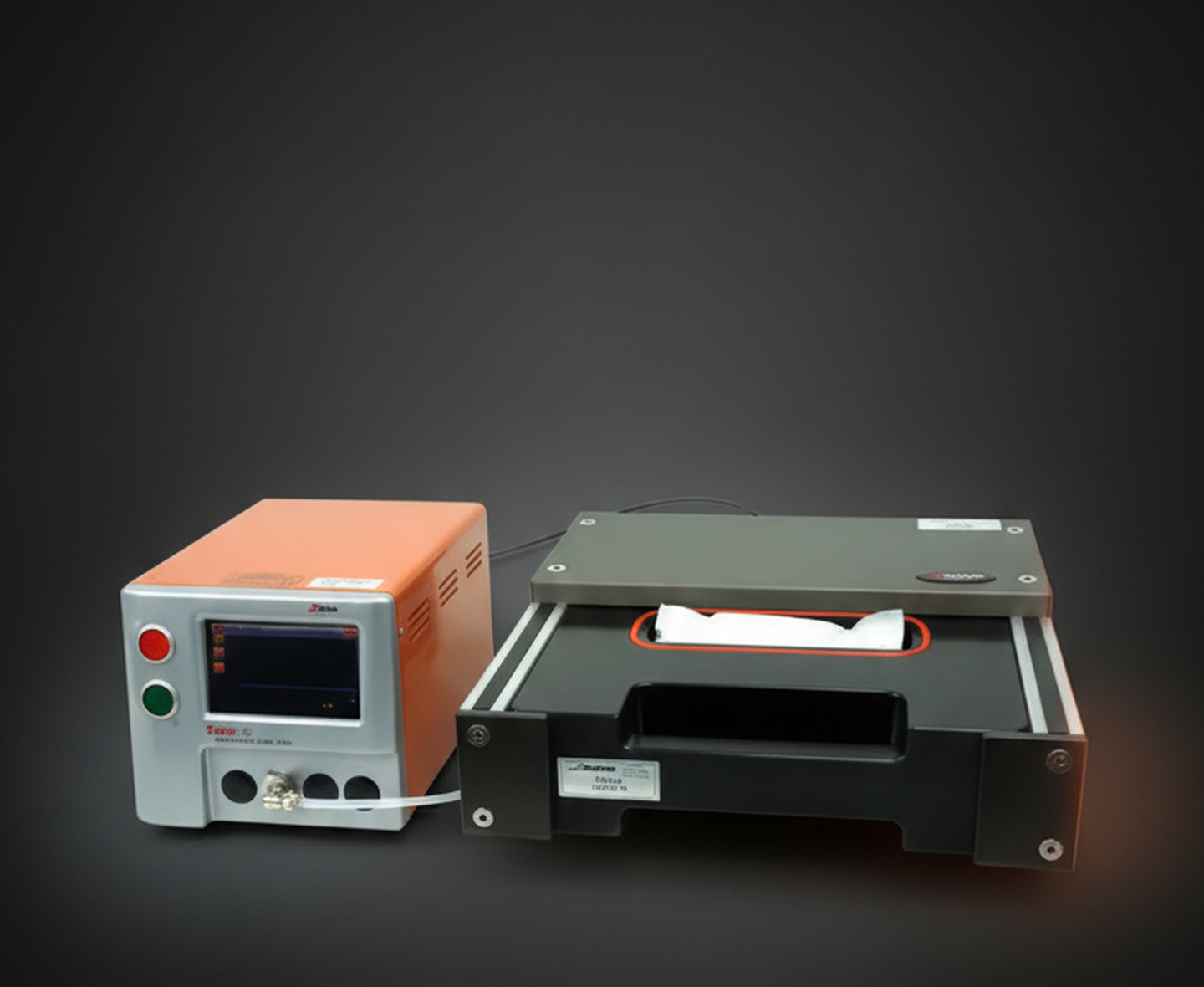
Zaxis air leak testers cover different production needs. The VM3 is the volumetric option in the lineup: it uses a plunger mechanism to generate a fixed air volume and performs pressure-decay testing without an external air supply. Compare the test methods, station formats and application requirements with Zaxis to select the appropriate configuration.
| Test Types | 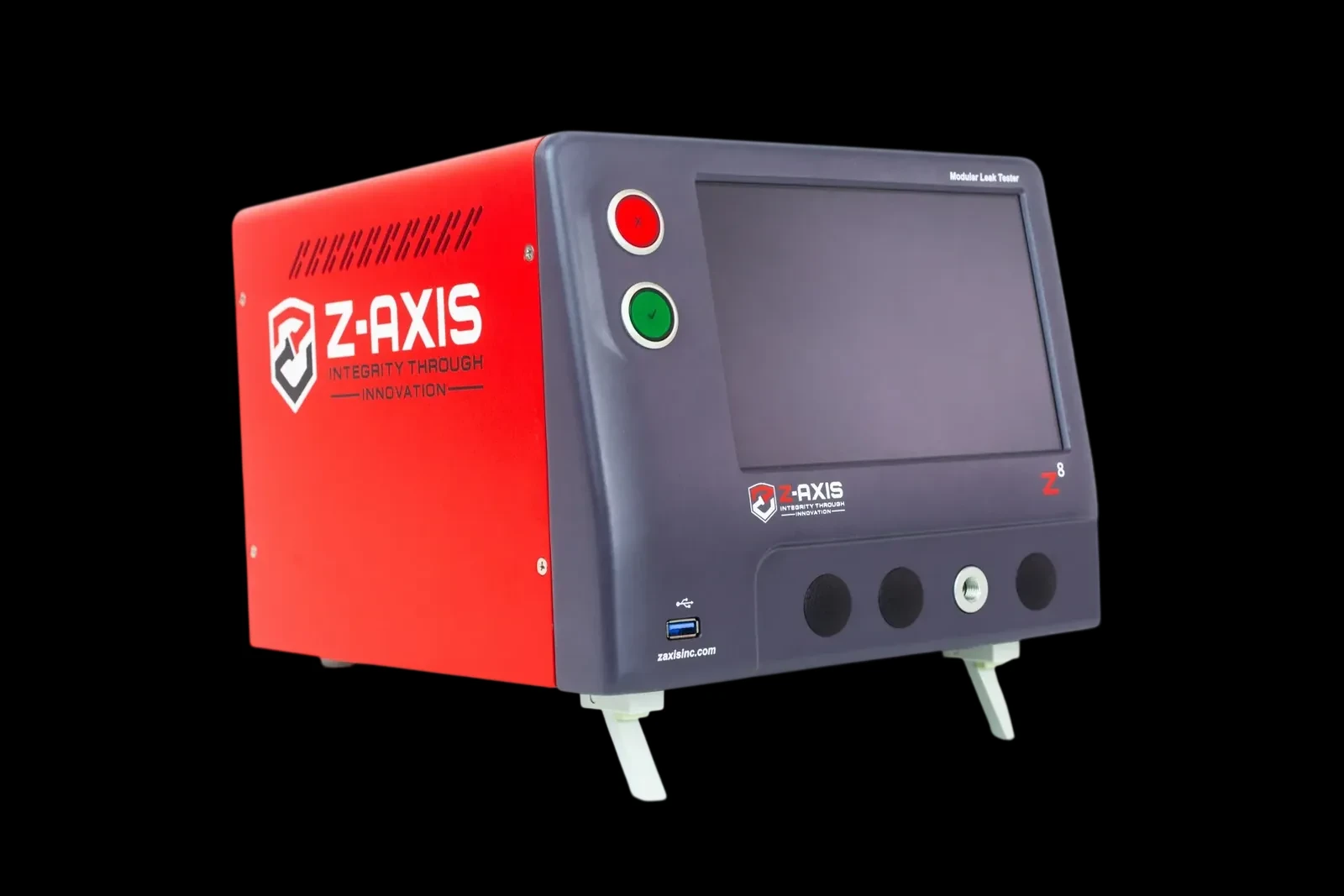 Zaxis Z8 Zaxis Z8 | 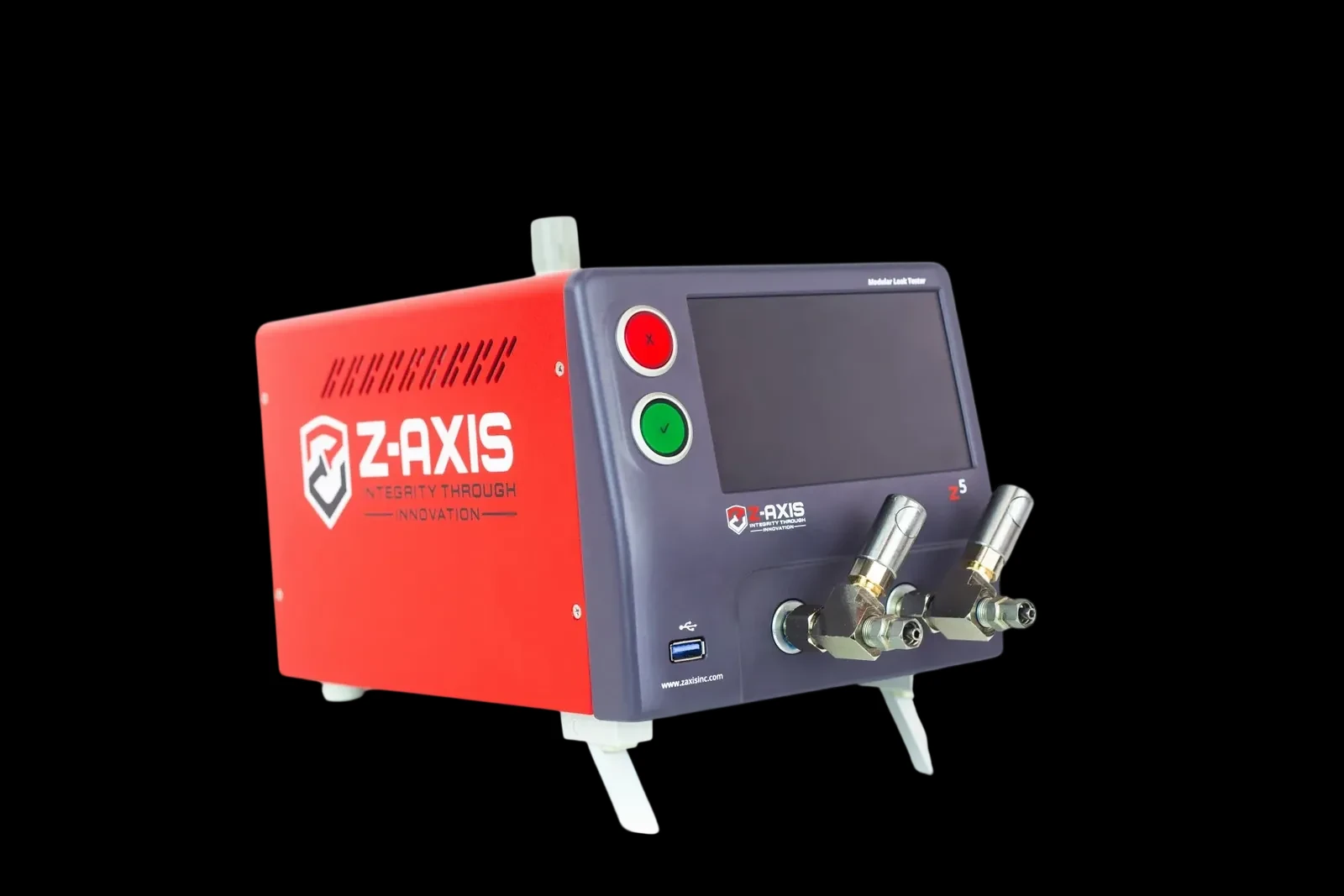 Zaxis Z5 Zaxis Z5 | 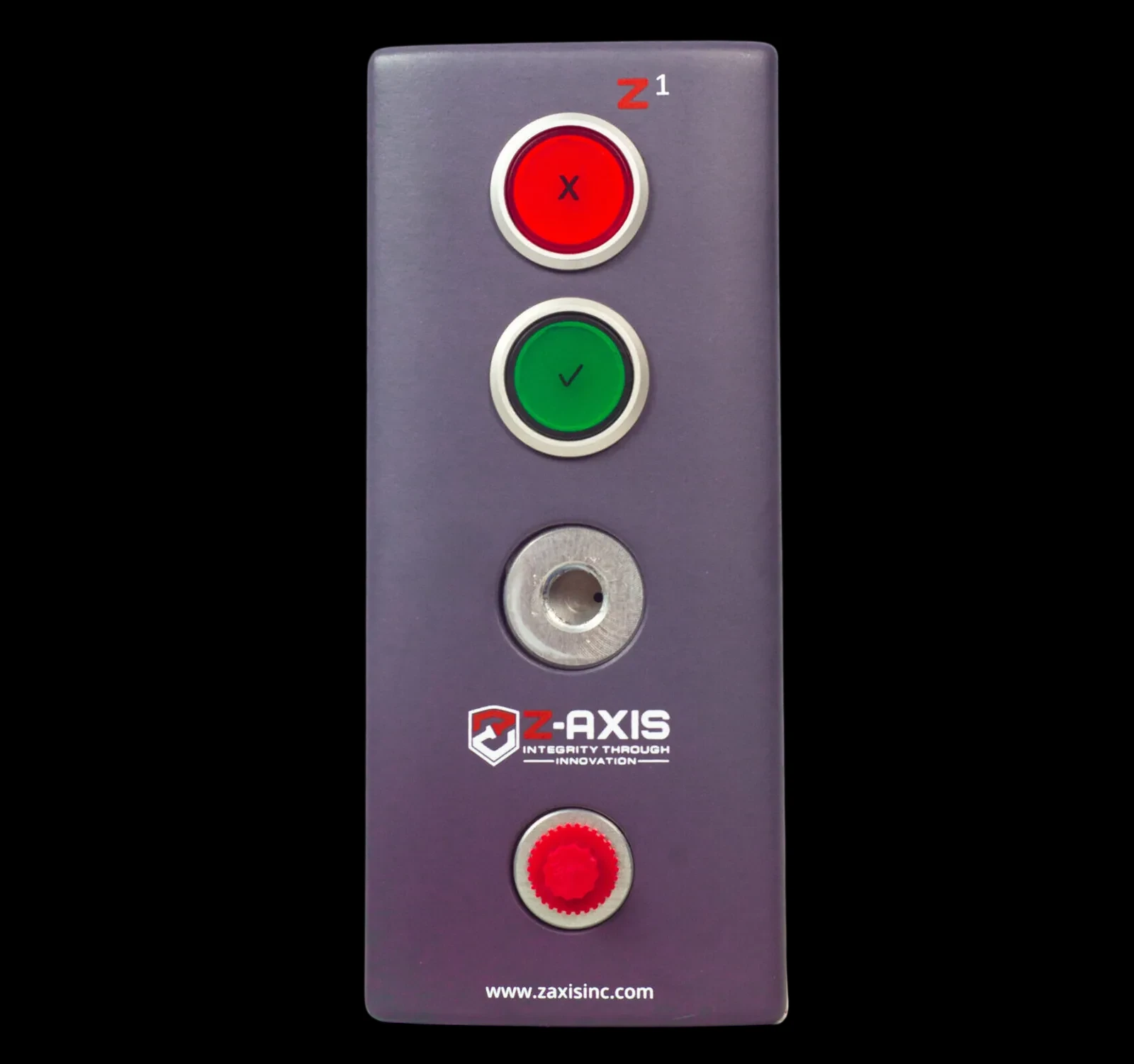 Zaxis Z1 Zaxis Z1 | 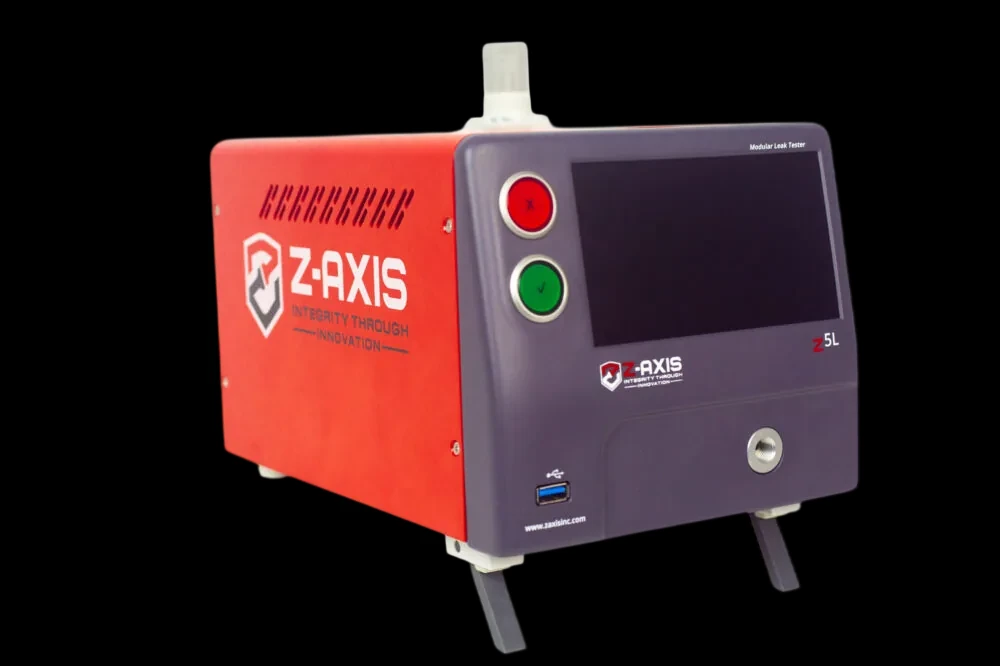 Zaxis Z5L Zaxis Z5L | 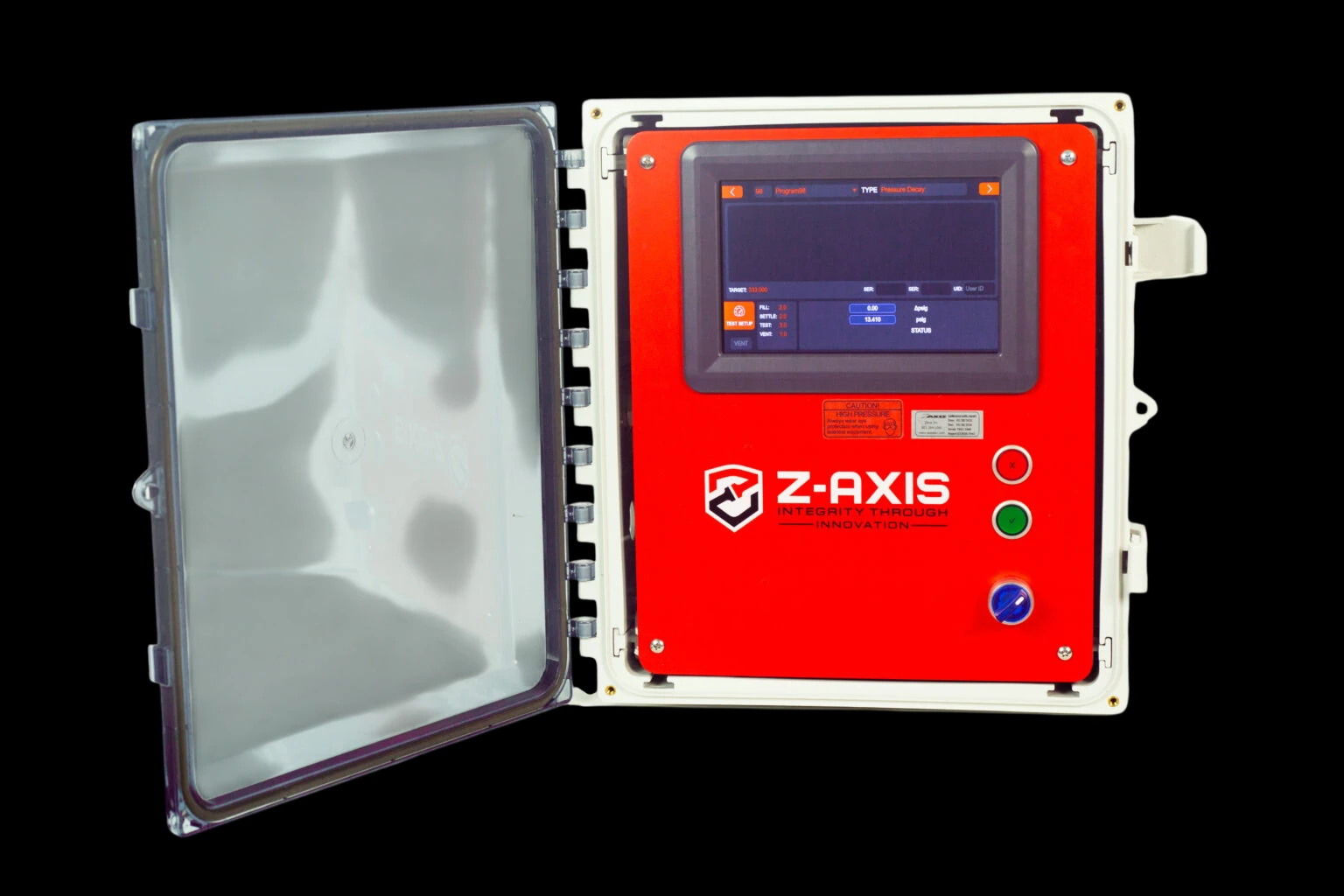 Zaxis Z8N Zaxis Z8N | 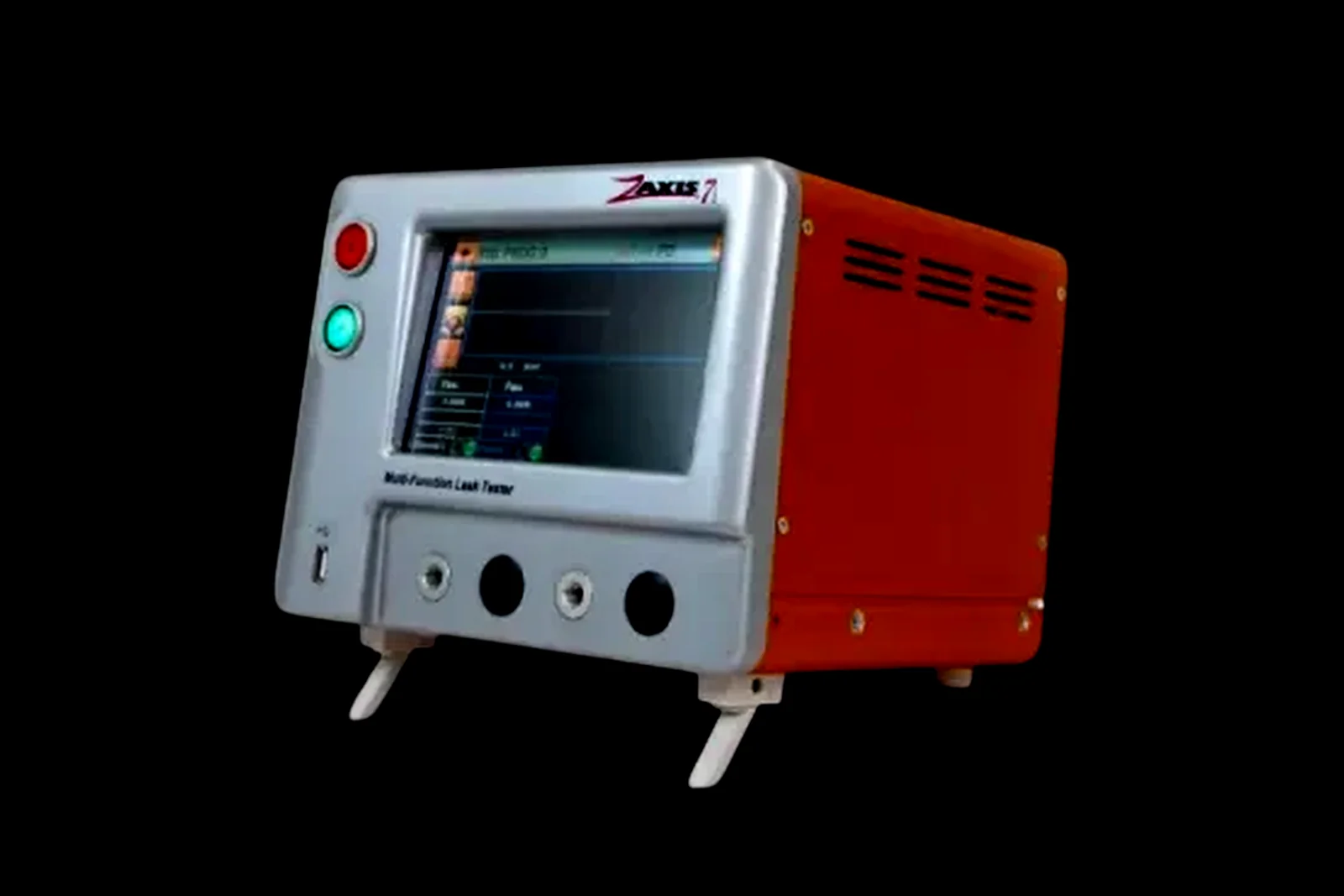 VM3 Volumetric VM3 Volumetric |
|---|---|---|---|---|---|---|
| Pressure Decay | ✓ | ✓ | ✓ | ✓ | ✓ | ✓ |
| Vacuum Decay | ✓ | ✓ | ✓ | ✓ | ✓ | ✓ |
| Occlusion | ✓ | ✓ | ✓ | ✓ | ✓ | × |
| Thermal mass flow | ✓ | ✓ | ✓ | × | ✓ | × |
| Laminar mass flow | ✓ | × | × | × | × | × |
| Burst | ✓ | ✓ | ✓ | × | ✓ | × |
| Pressure Cracking | ✓ | ✓ | × | × | ✓ | × |
| Chamber | ✓ | ✓ | ✓ | × | ✓ | × |
| Back Pressure Flow | ✓ | ✓ | × | × | ✓ | × |
| High pressure (>200 psi) | ✓ | ✓ | ✓ | × | ✓ | × |
| Volumetric Decay | × | × | × | × | × | ✓ |
The VM3 is used for balloon-catheter, medical-device, electronics, wearable and other sealed-part applications. Its value in those environments is the same: it can generate the controlled air volume for a pressure-decay test without requiring an external air supply at the test station.
No. The VM3 uses a plunger mechanism to create a fixed, consistent volume of air independently, so its pressure-decay testing does not require an external or house-air supply.
The VM3 was originally designed for balloon catheters. It is also used for chamber testing and pressure-decay testing of sealed electronics, wearables, medical devices and other parts.
The VM3 is a volumetric air leak tester for pressure-decay testing. Its plunger-generated fixed volume is the distinguishing feature of its test setup.
The VM3 has a large 7-inch color touch screen. The screen provides the operator interface for setting up and running the tester.
The VM3 stores up to 100 programs. Stored programs allow a station to retain setups for different parts or testing applications.
Yes. The VM3 is EtherNet/IP compatible. The 7i platform communication options also include USB, RS232 and Ethernet TCP/IP, with optional EtherNet/IP.
The 7i specifications on the VM3 page list sensor ranges to 500 PSI; achievable test pressure depends on piston configuration, plus 0–15 PSI vacuum. Confirm the configuration selected for the application with Zaxis.
The VM3 can be configured for pressure decay, vacuum decay and chamber testing. The required method depends on the part and application.
Yes. The 7i specifications identify custom configurations as available, with one to four valve options and application-specific method selection.