
Common Manufacturing Processes That Require Leak Testing
Leak testing is a critical quality control process in manufacturing, ensuring that products meet performance and safety standards by preventing unwanted leaks. Below, we explore some of the most common manufacturing processes, explaining how they work and why leak testing is essential.
Extrusions: Ensuring Seamless Integrity
Extrusion involves forcing material through a shaped die under high pressure to create continuous profiles such as pipes and tubing. This process ensures uniformity in shape and structure. However, defects such as material inconsistencies or micro-cracks can lead to leaks, making it essential to conduct leak testing to verify airtight and watertight integrity.
Casting: Detecting Porosity and Defects
Casting involves pouring molten material into a mold, where it cools and solidifies into the desired shape. While this method is ideal for complex geometries, imperfections such as porosity and microcracks may form, compromising the component’s ability to contain fluids or gases. Leak testing is crucial to identify these defects before the parts are used in critical applications.
Molding: Verifying Airtight and Watertight Seals
Molding processes are used to create precise, repeatable parts for various industries, including medical, automotive, and packaging. There are different types of molding, each with its own specific method and application:
- Injection Molding: Involves injecting molten material into a cavity to form complex parts. Leak testing ensures the final product does not have tiny holes or weak points that could lead to leaks in applications like fluid systems.
- Rotary Molding: Uses rotational motion to evenly distribute plastic in a mold, forming hollow objects. Leak testing is necessary to confirm that the walls are fully formed and free from defects.
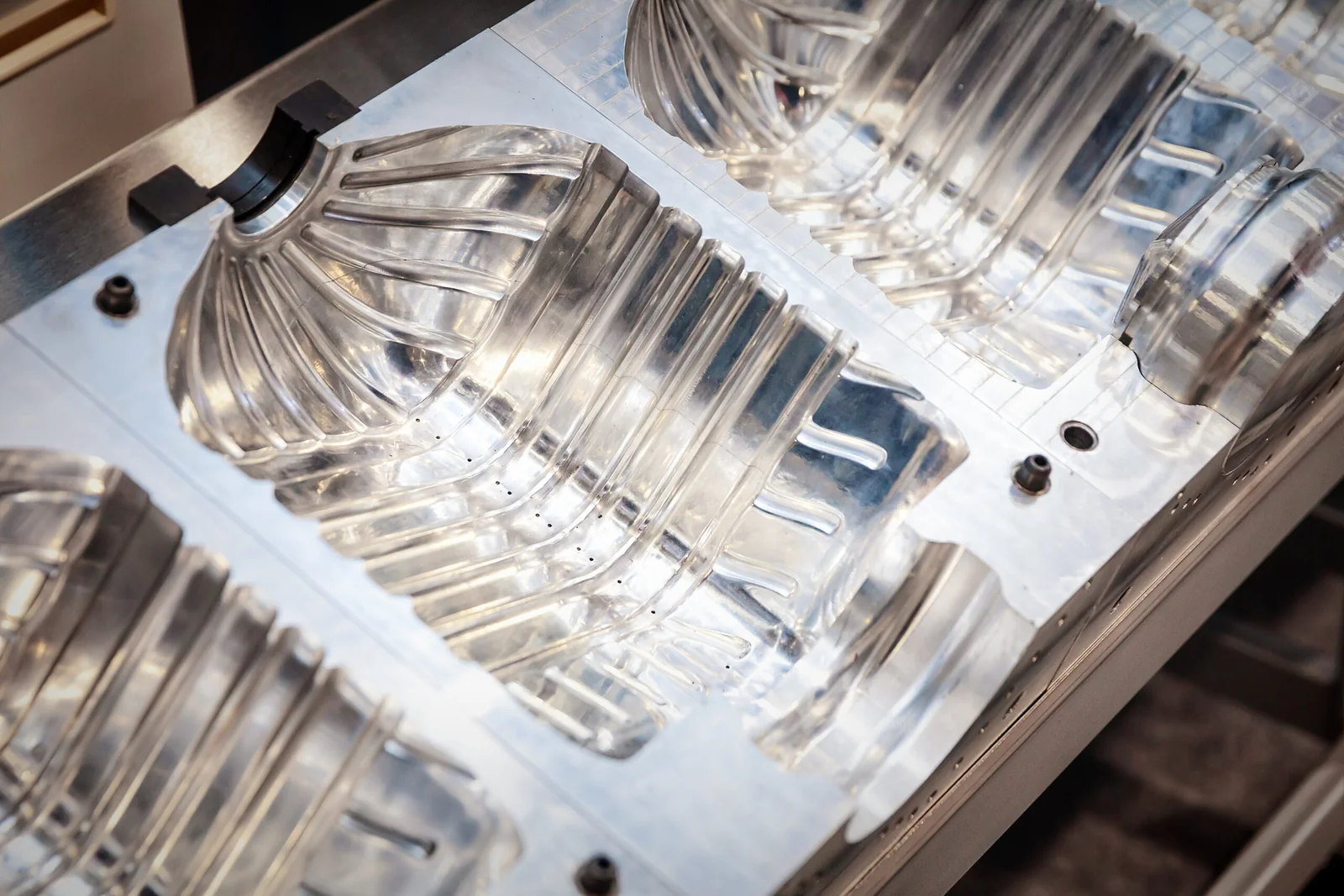
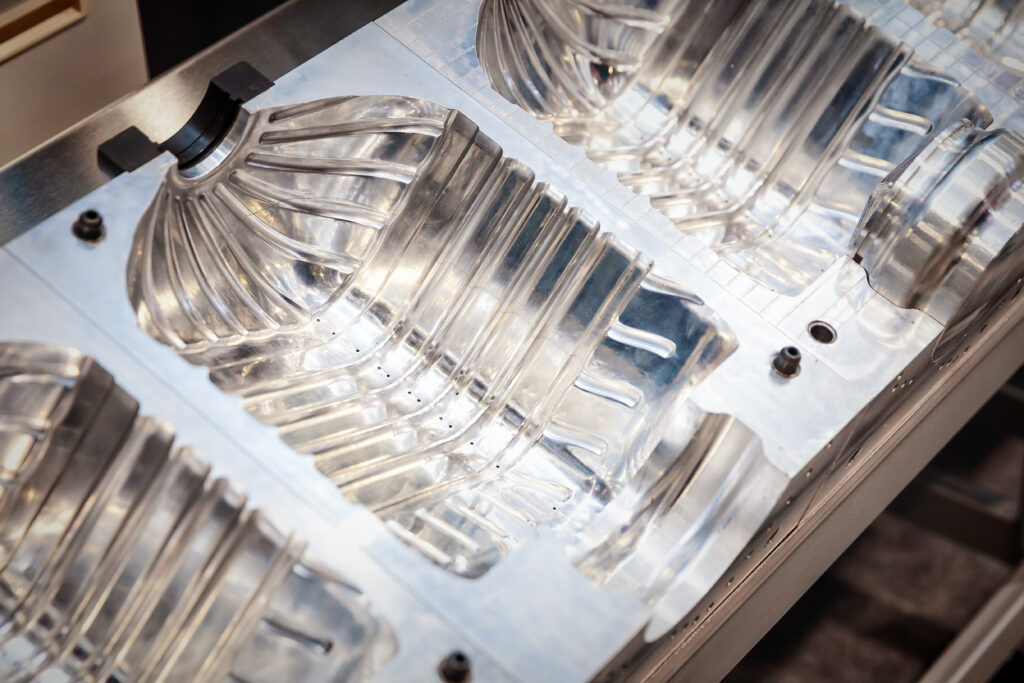
- Blow Molding: Utilizes air pressure to expand heated plastic inside a mold to create hollow containers, such as bottles. Leak testing ensures that the containers hold liquids or gases without seepage.
Welding: Assessing Joint Strength and Sealing
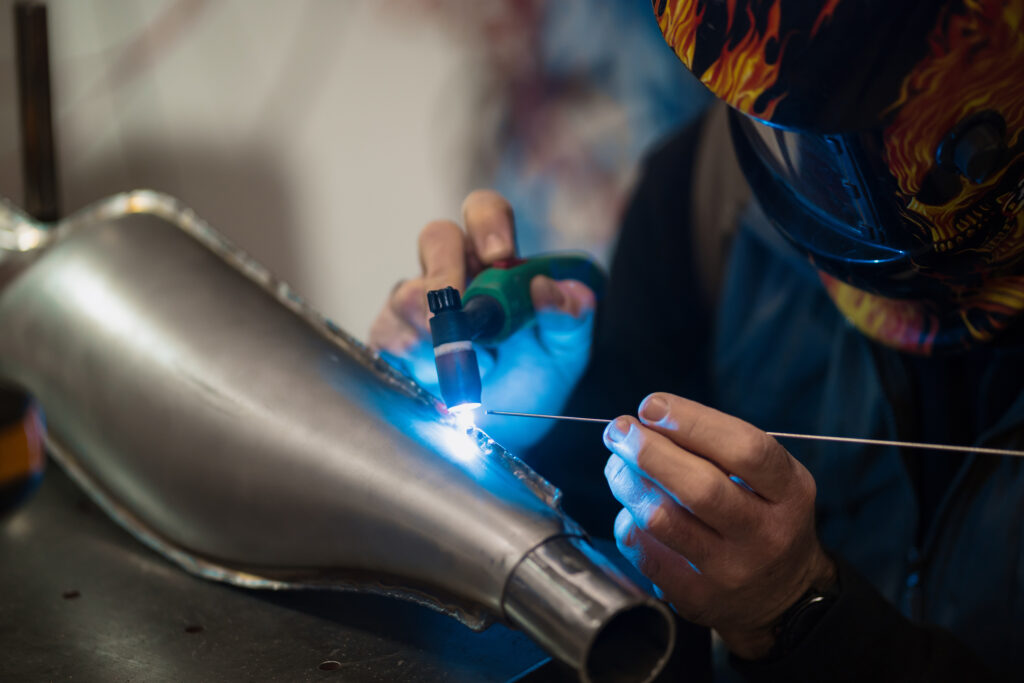
Welding processes join two or more pieces of material, often metals or plastics, by melting and fusing them together. Leak testing ensures that these bonds do not allow fluid or gas leaks. Different welding methods include:
- Ultrasonic Welding: Uses high-frequency vibrations to generate heat and bond materials. Leak testing ensures a complete seal, especially in sensitive applications like medical devices.
- Laser Welding: Employs a high-energy laser beam to create precise and strong welds. Leak testing verifies that no microscopic openings remain in high-pressure or vacuum environments.
- Hotplate Welding: Presses components against a heated plate, melting their surfaces before bonding them together. Leak testing is critical to confirm a continuous, gap-free seal.
.
Bonding: Confirming Adhesive Seal Performance
Bonding involves using adhesives or chemical reactions to join materials. Some different types are:
- Solvent Bonding: Utilizes a chemical solvent to dissolve surfaces before fusing them together. Leak testing confirms that the bond is complete and that no gaps exist.
- Glue Bonding: Involves applying adhesive to create a seal between materials. Leak testing ensures that the adhesive properly adheres and prevents fluid or gas escape.
Sealing: Maintaining Leak-Free Joints
Seals play a vital role in preventing leaks in mechanical systems. Some common sealing methods include o-rings, gaskets, and mechanical seals. These must be leak tested to confirm their ability to withstand pressure and temperature variations without leakage.
Final Thoughts
Leak testing is an essential step in many manufacturing processes to ensure quality, safety, and compliance with industry regulations. Whether working with extrusion, welding, molding, or sealing, rigorous leak testing helps prevent failures, extends product lifespan, and enhances reliability in real-world applications.
Related posts
Talk with a leak testing specialist
Discuss the right test approach for your part and production requirements.
Request a Quote