
FILL
Attach the product to the test port and fill it with regulated air to the desired pressure.

Leak Test Method
An occlusion test measures air passage through a component and determines whether that passage is clear or blocked.
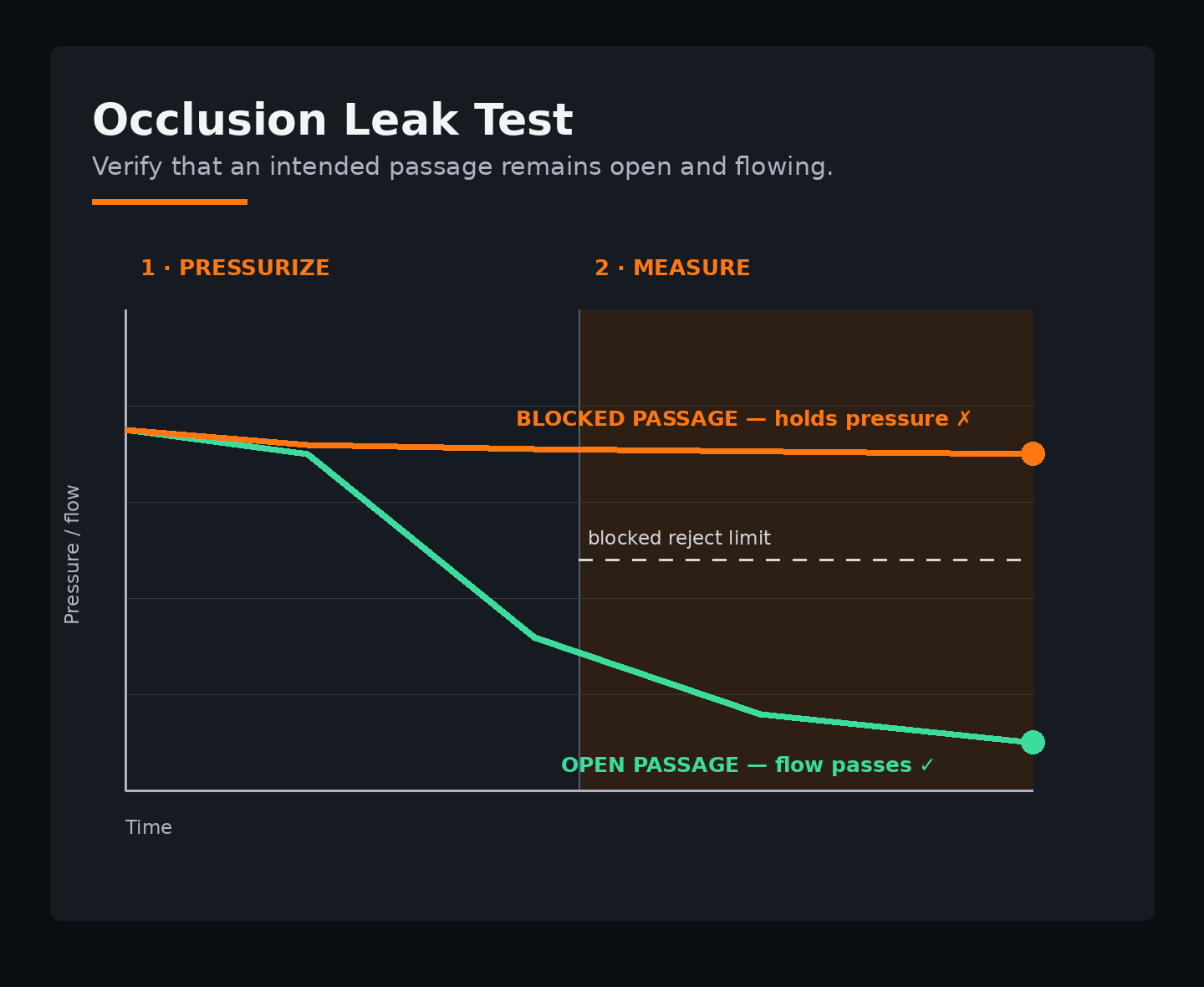
Occlusion testing confirms that air can pass through a component as intended. The product connects to the test port and fills with regulated air; once it reaches the selected pressure, testing begins immediately.
During the test, the downstream port opens to atmosphere and the tester measures pressure loss. A clear passage allows pressure to decay past the programmed reject value; a blocked passage does not.
The test requires a downstream release. iKit, Isaac HD and Zaxis 7i can incorporate release valves, or a clamp valve can activate an external release with any tester.
Request for QuoteAn occlusion test checks whether an air passage is clear, rather than whether a sealed part leaks. The connected component is pressurized, then its downstream port opens to atmosphere during the test.
Because testing begins immediately after fill, there is no settle stage. Pressure must decay through the passage past the programmed reject value for the component to pass.
If pressure does not decay past that value, the passage is occluded or blocked and the component fails. The method is used for catheters, IV sets, check valves and tubing.
Attach the product to the test port and fill it with regulated air to the desired pressure.
Close the fill valves and open the downstream port to atmosphere immediately after fill.
Measure the loss of pressure as air moves through the product passage.
Complete the cycle with the downstream path open to atmosphere.
A product that decays past the programmed reject value passes; a product that does not decay past that value is occluded and fails.
The downstream release is central to the method. When the downstream port opens to atmosphere, a clear passage lets air leave and pressure decay; a blocked passage prevents the expected decay.
iKit, Isaac HD and Zaxis 7i can incorporate the required release valves. A clamp seal or pinch valve can provide an external release with any tester.
The programmed reject value converts the pressure response into a production decision. A repeatable fixture and release path keep the check focused on the component passage.
The release may be built into the tester arrangement or provided by an external clamp valve, but it must create a downstream path to atmosphere. A clear passage then produces the expected decay and passes the programmed limit; a blocked passage fails.
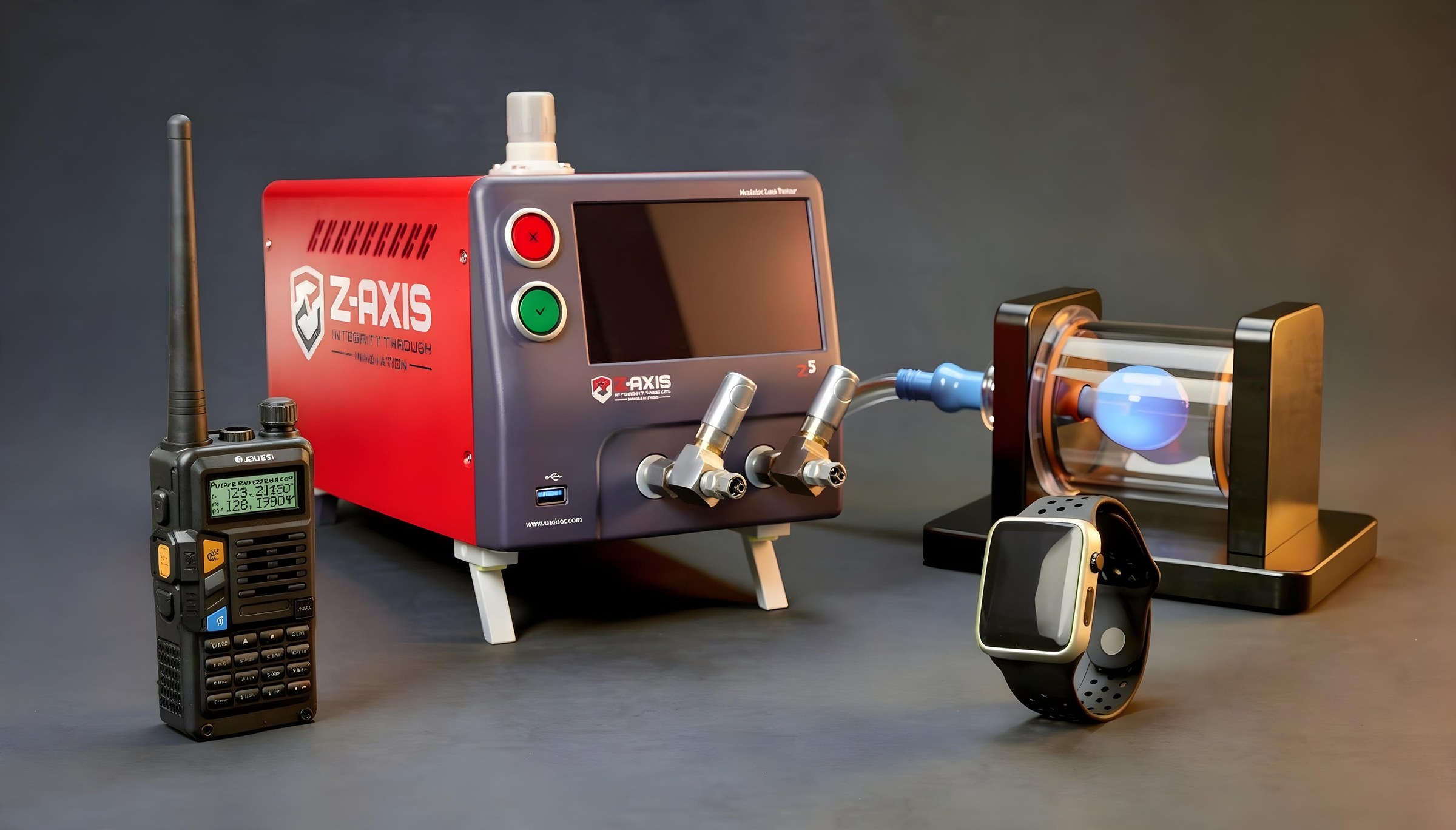
Occlusion needs a downstream release. The iKit, Isaac HD and Zaxis 7i can build the release valves in; any Zaxis tester can drive an external clamp valve.
Occlusion testing confirms passage through catheter components.
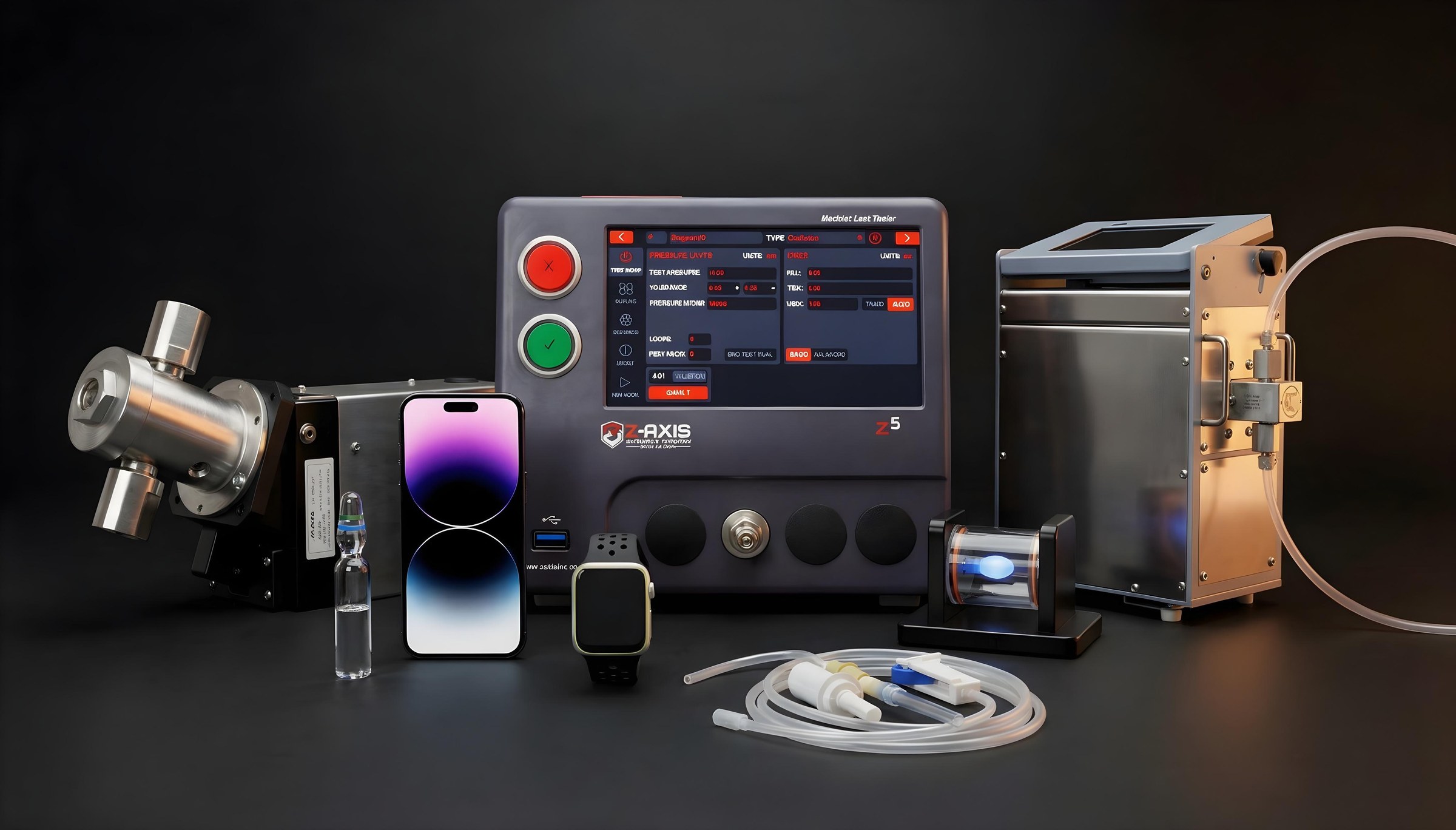
The test checks that an IV-set passage is clear.
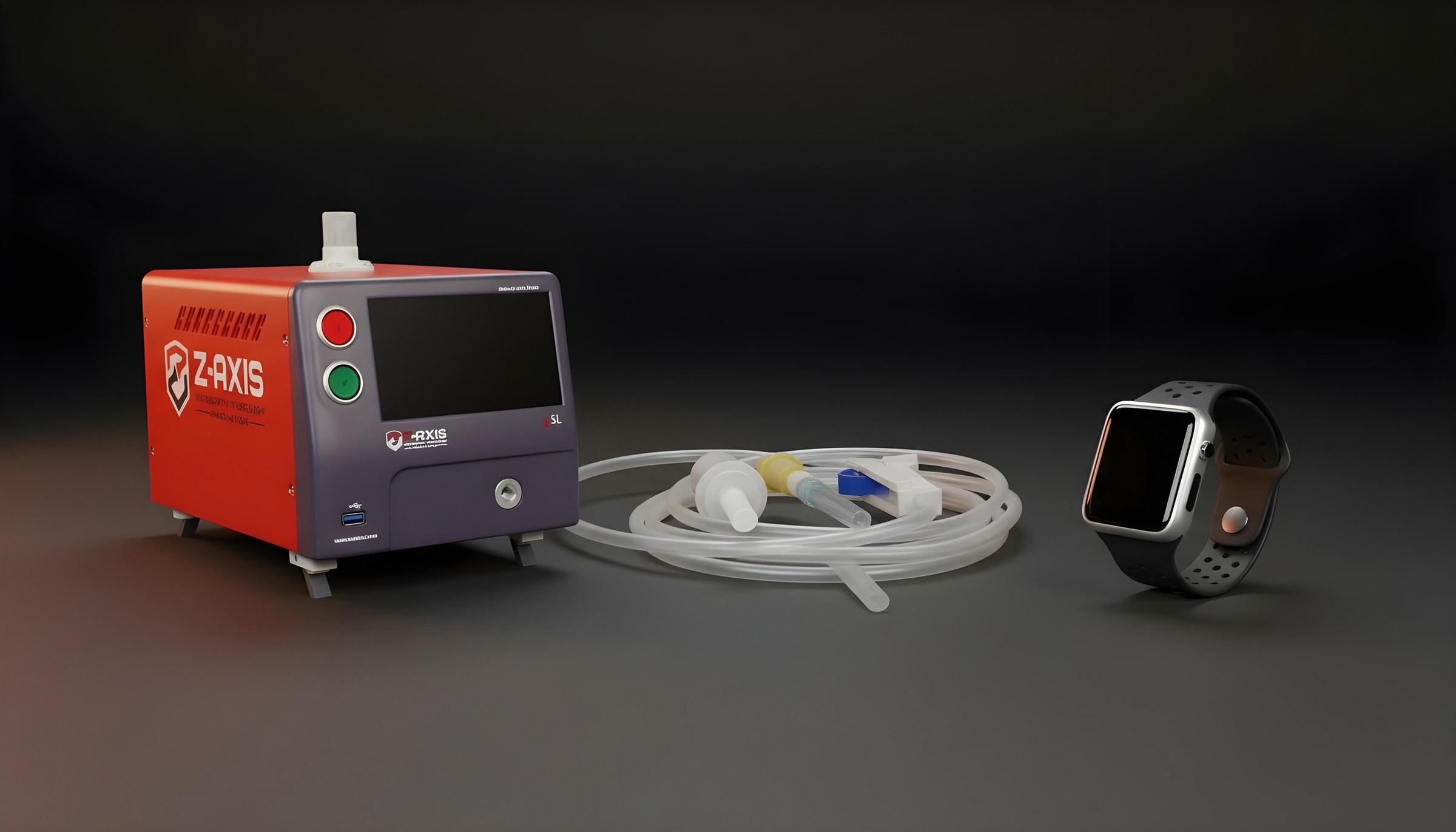
A downstream release lets the test verify air passage through check-valve components.

Connected tubing can be checked for a blocked passage.
| Method | Non-destructive | Needs an access port | Locates the leak | Typical use |
|---|---|---|---|---|
| Pressure decay | ✓ | ✓ | × | Sealed parts with a port |
| Vacuum decay | ✓ | ✓ | × | Parts and packaging |
| Mass flow | ✓ | ✓ | × | Flow-rate limits |
| Occlusion | ✓ | ✓ | × | Blocked passages |
| Burst | × | ✓ | × | Failure pressure |
| Pressure cracking | ✓ | ✓ | × | Valve opening pressure |
| Chamber | ✓ | × | × | Sealed parts, no port |
| Sniffing | ✓ | ✓ | ✓ | Finding the leak site |
| Hard vacuum | ✓ | ✓ | × | Hermetic, safety-critical parts |
| Accumulation | ✓ | ✓ | × | Large parts, total leak rate |
| Bombing | ✓ | × | × | Sealed parts, no fill port |
| Differential pressure | ✓ | ✓ | × | Large volumes, low leak rates |
| Trace gas | ✓ | ✓ | ✓ | Very small leaks, quantified |
It checks air passage through a component to determine whether the passage is clear or blocked.
The product fills with regulated air, then its downstream port opens to atmosphere while pressure loss is measured.
The product passes when pressure decays through its passage past the programmed reject value.
If pressure does not decay past the reject value, the passage is occluded or blocked and the product fails.
No. The test begins immediately after the fill stage.
It is the path that opens the downstream port to atmosphere during the test.
iKit, Isaac HD and Zaxis 7i can incorporate release valves.

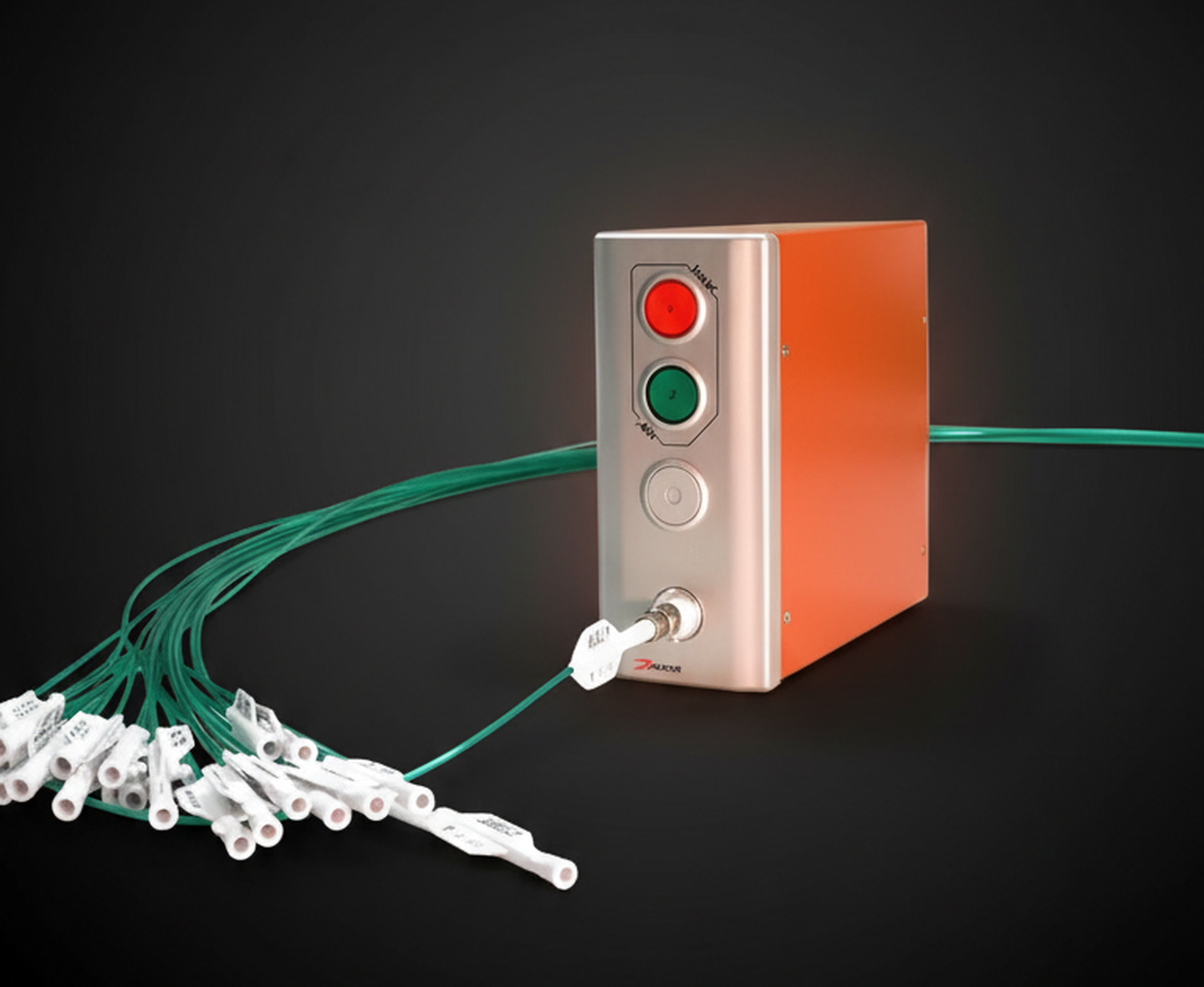 iKitA compact automation tester that can use a built-in downstream release valve.
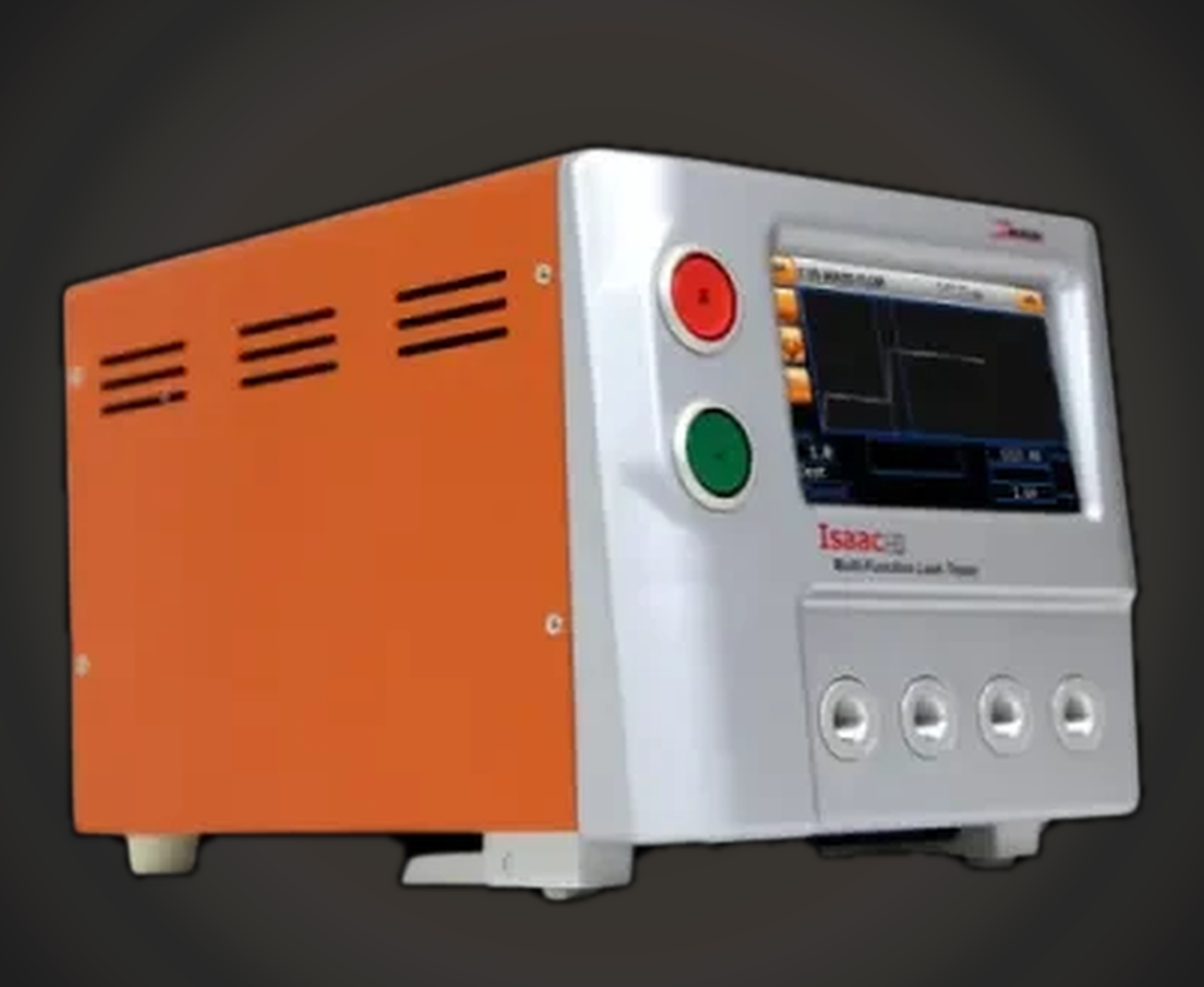 Isaac HDA modular tester that can incorporate a downstream release valve for occlusion testing.
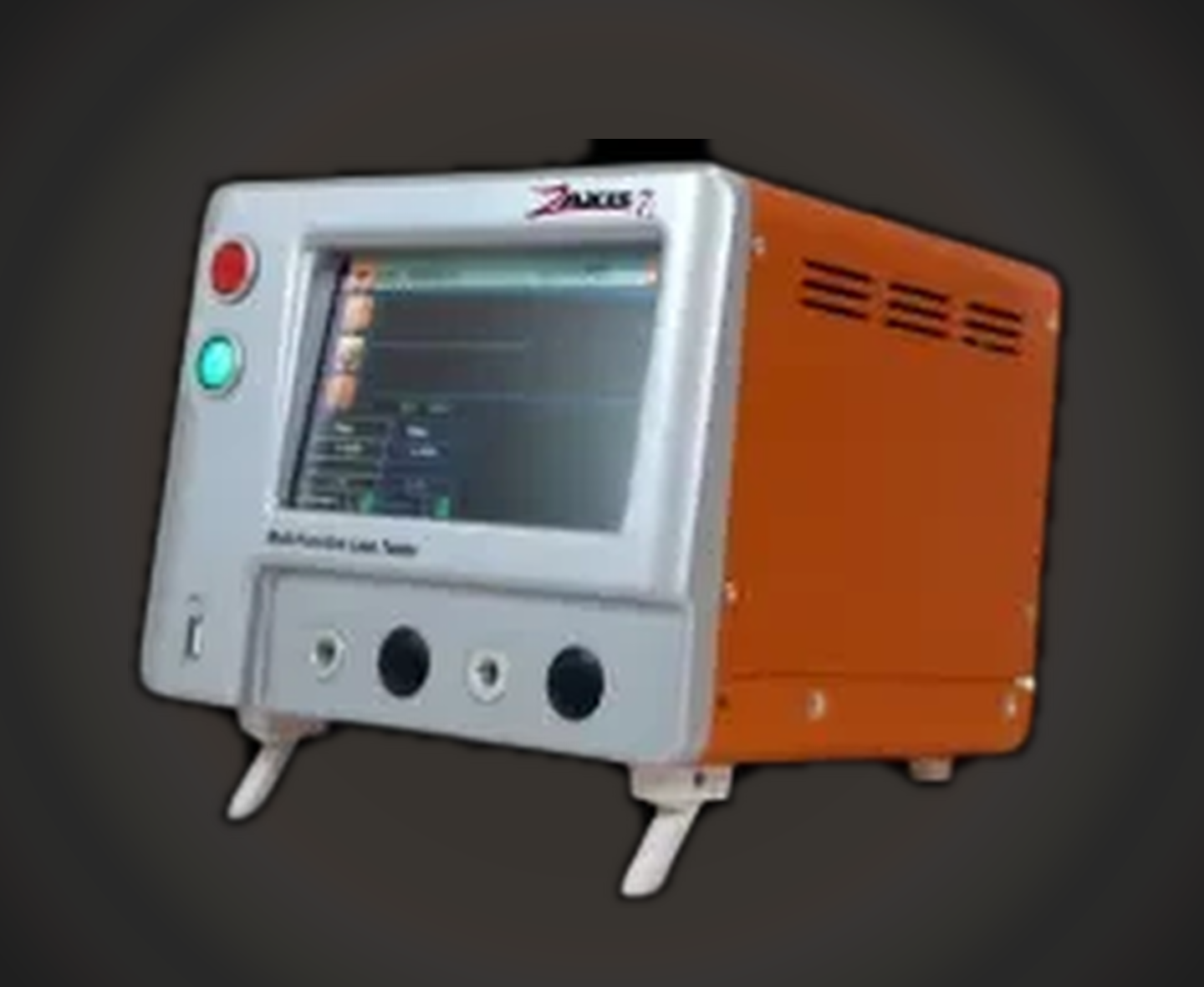 Zaxis 7iA large-display tester that can incorporate a downstream release valve.



