
CONNECT
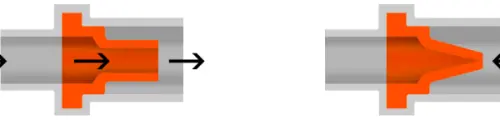
Connect the inlet to port one and sensor one, and connect the outlet to port two and sensor two.

Leak Test Method
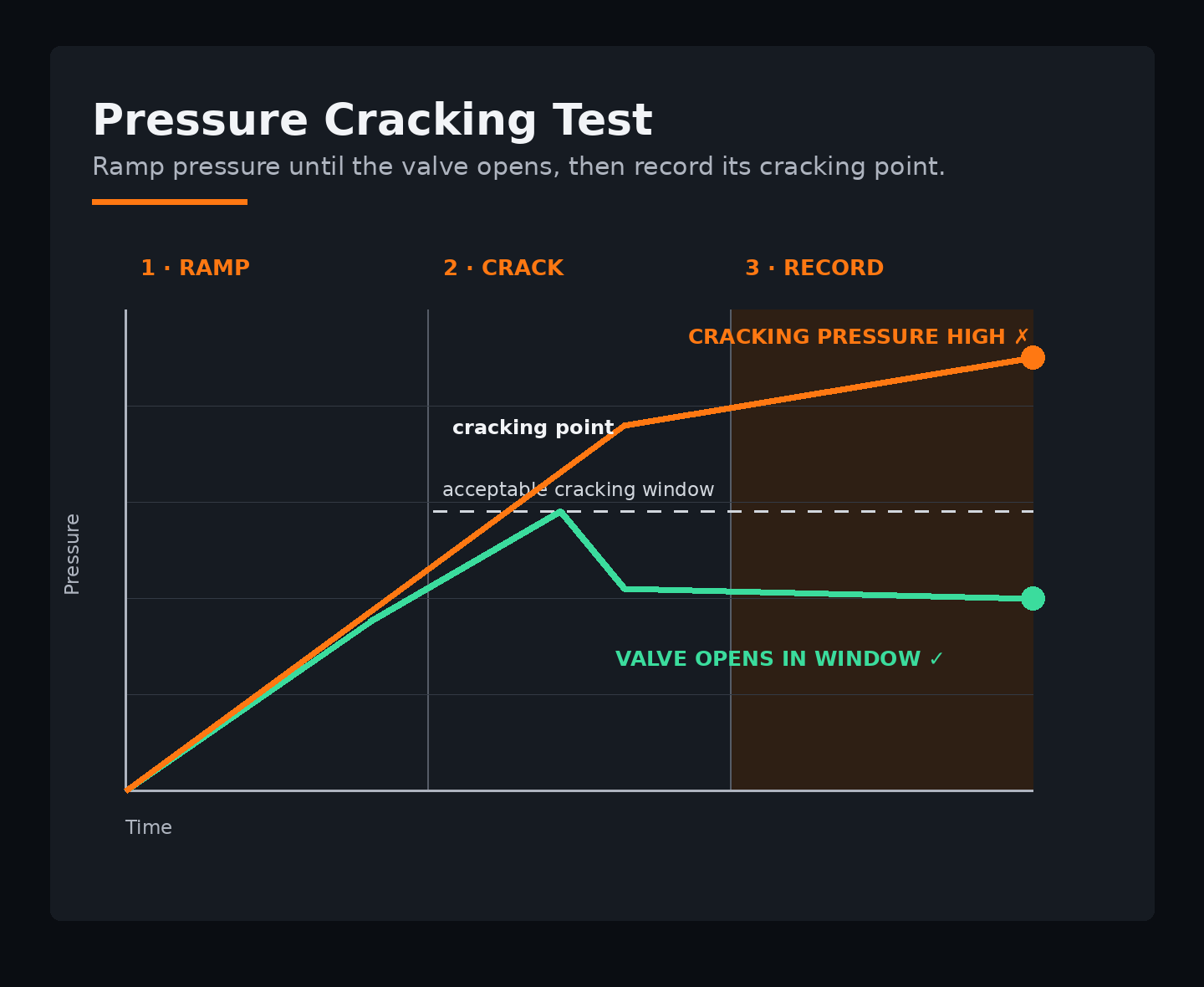
A pressure cracking test finds a valve’s opening pressure by measuring the pressure change that signals the device has opened.
Pressure cracking testing finds the opening pressure of a check valve or similar device. It detects the valve-opening event rather than driving a component to failure.
The device connects across two ports: its inlet to port one and sensor one, and its outlet to port two and sensor two. The pass/fail window sets the minimum and maximum opening pressure.
The trigger is the pressure increase on the output side that signals opening. Sensor two may be a pressure transducer or mass-flow transducer, depending on the application.
Request for QuotePressure cracking measures the pressure needed to open a check valve or similar device. It is especially useful when a device allows a small amount of weep before fully opening.
With the inlet and outlet on separate ports, the test monitors the output-side response as inlet pressure increases. The measured opening pressure is judged against configured minimum and maximum limits.
The output-side trigger marks valve opening, allowing the system to record the opening pressure against the approved window.
Connect the inlet to port one and sensor one, and connect the outlet to port two and sensor two.
Increase inlet pressure through the programmed pressure ramp.
Monitor the output-side trigger that indicates the device has opened; sensor two can be pressure or mass flow.
Record the pressure at the opening event and compare it with the minimum and maximum limits.
A valve that opens within the programmed pressure window passes; a result outside that window fails.
The two-port arrangement separates the device inlet from its outlet, allowing the test to observe the output-side change that marks opening rather than relying on a single pressure reading.
The trigger is the pressure increase on the output side that constitutes opening. Sensor two can be a pressure transducer or mass-flow transducer, depending on the application.
Pressure cracking and burst testing both detect an event during a pressure ramp. Pressure cracking measures valve opening against a range; burst testing measures pressure at catastrophic failure.
A small amount of weep can occur before a device fully opens. Pressure cracking evaluates the defined trigger rather than treating every small change as the final opening event.
The programmed minimum and maximum values make the result specific to the device. The operator connects the two ports, runs the pressure ramp, and receives a pass/fail result from the recorded opening pressure.
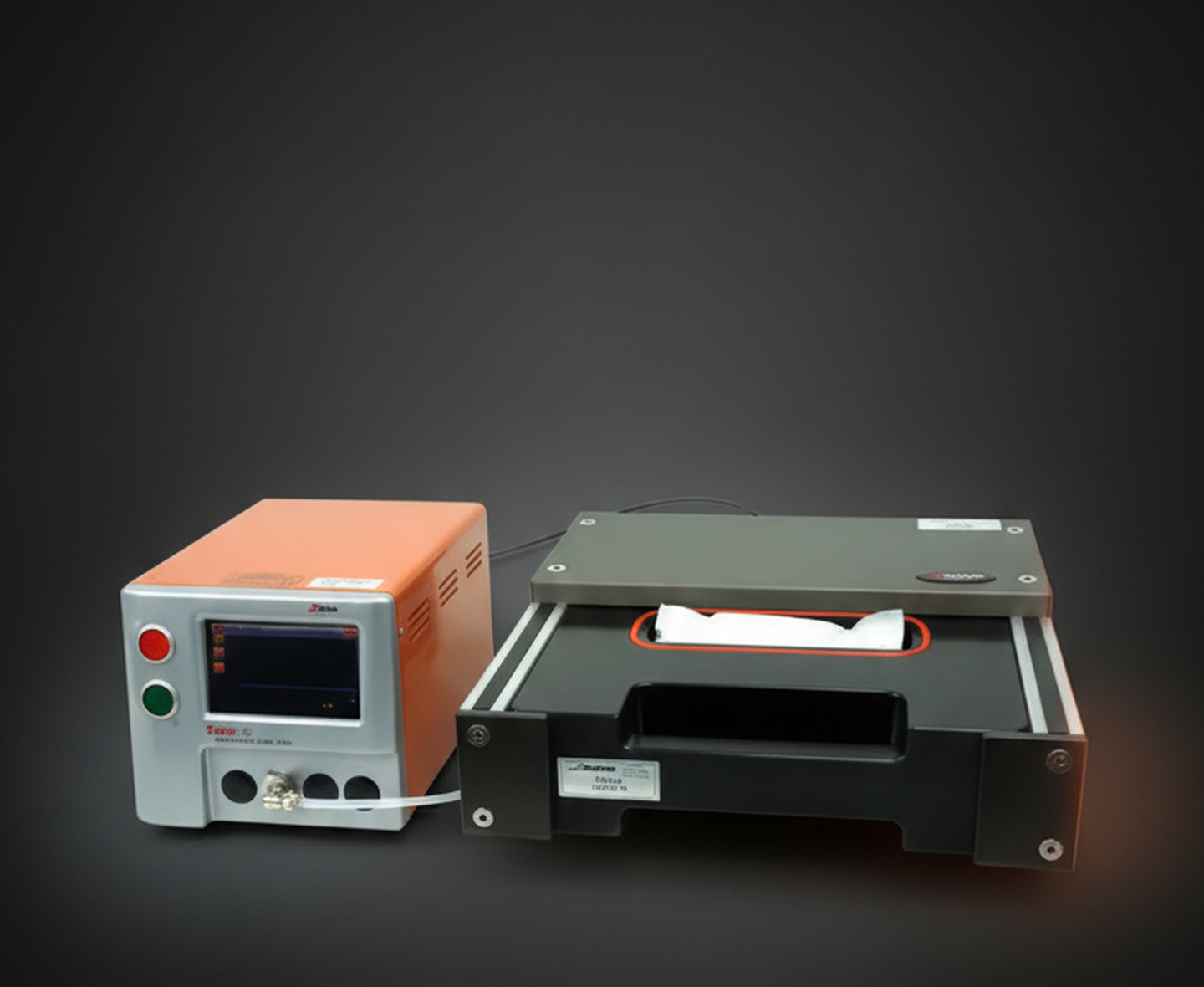
Pressure cracking needs a controlled ramp on the inlet and a second sensor on the outlet. These Zaxis testers run the cracking-pressure sequence.
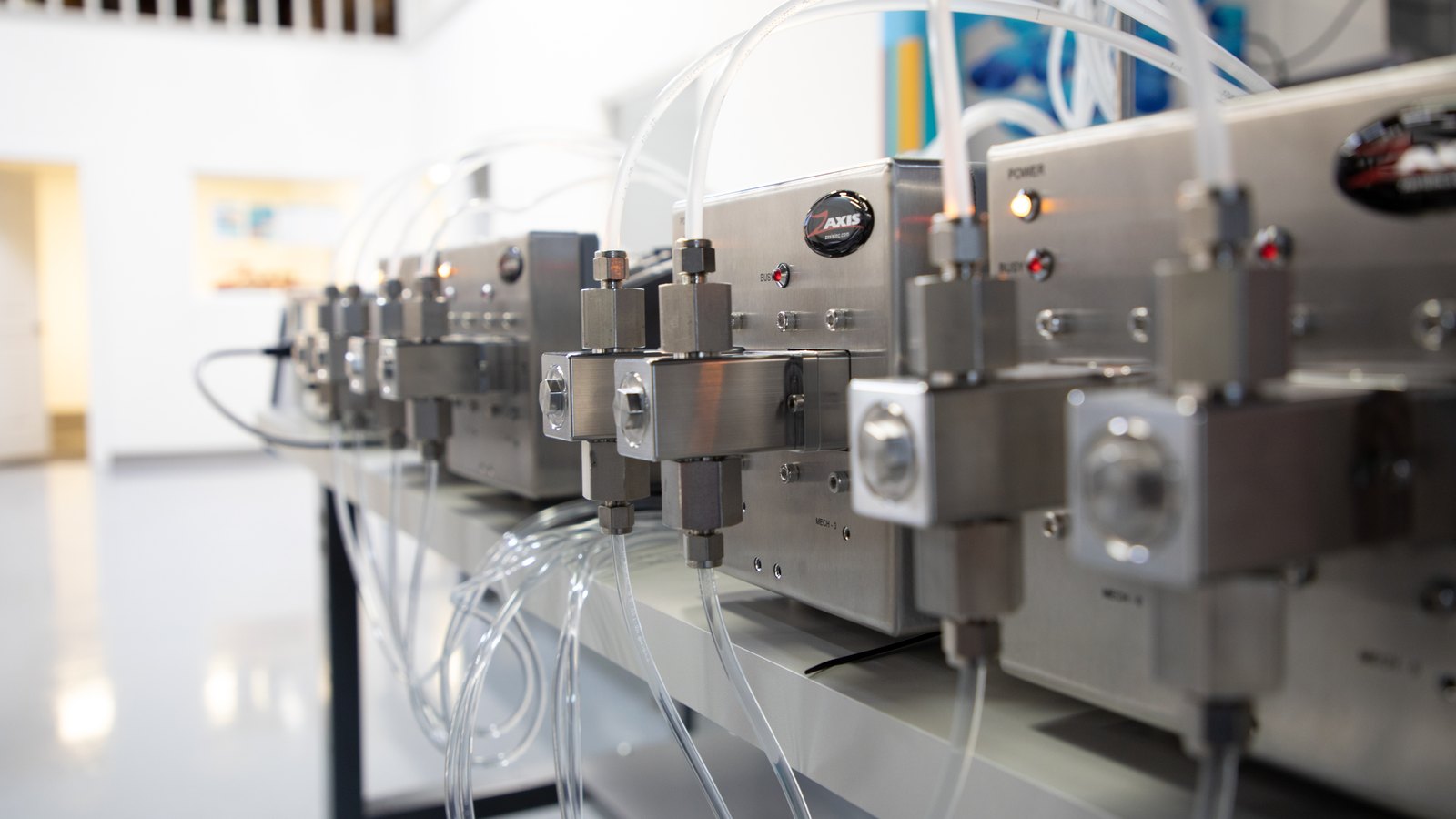
Check valves are the primary pressure-cracking application: the test records the pressure at which the valve opens.

Needleless injection sites are tested for the pressure that opens the valve.
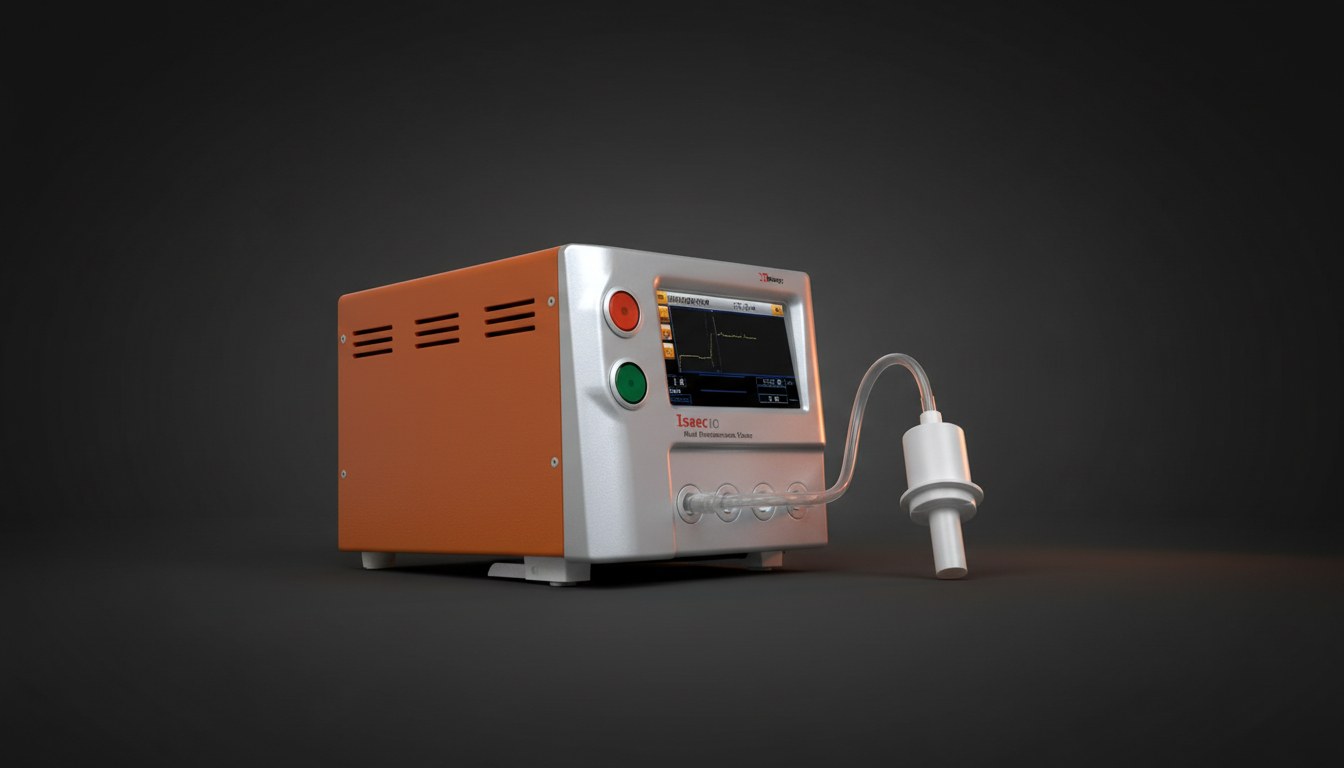
The method can be configured for medical devices with opening-pressure needs.

Two-port pressure-event testing can be configured for automotive components.
| Method | Non-destructive | Needs an access port | Locates the leak | Typical use |
|---|---|---|---|---|
| Pressure decay | ✓ | ✓ | × | Sealed parts with a port |
| Vacuum decay | ✓ | ✓ | × | Parts and packaging |
| Mass flow | ✓ | ✓ | × | Flow-rate limits |
| Occlusion | ✓ | ✓ | × | Blocked passages |
| Burst | × | ✓ | × | Failure pressure |
| Pressure cracking | ✓ | ✓ | × | Valve opening pressure |
| Chamber | ✓ | × | × | Sealed parts, no port |
| Sniffing | ✓ | ✓ | ✓ | Finding the leak site |
| Hard vacuum | ✓ | ✓ | × | Hermetic, safety-critical parts |
| Accumulation | ✓ | ✓ | × | Large parts, total leak rate |
| Bombing | ✓ | × | × | Sealed parts, no fill port |
| Differential pressure | ✓ | ✓ | × | Large volumes, low leak rates |
| Trace gas | ✓ | ✓ | ✓ | Very small leaks, quantified |
It measures the pressure required to open a check valve or similar device.
The inlet connects to port one and sensor one, while the outlet connects to port two and sensor two.
It is a programmed minimum and maximum pressure range for opening the device.
The trigger is the pressure increase on the output side that constitutes device opening.
Sensor two can be a pressure transducer or a mass-flow transducer, depending on the application.
Yes. It is especially useful for devices with a small amount of weep before full opening.
Pressure cracking finds a valve opening event, while burst testing measures catastrophic failure pressure.
Pressure cracking is used for check valves and needleless injection sites.

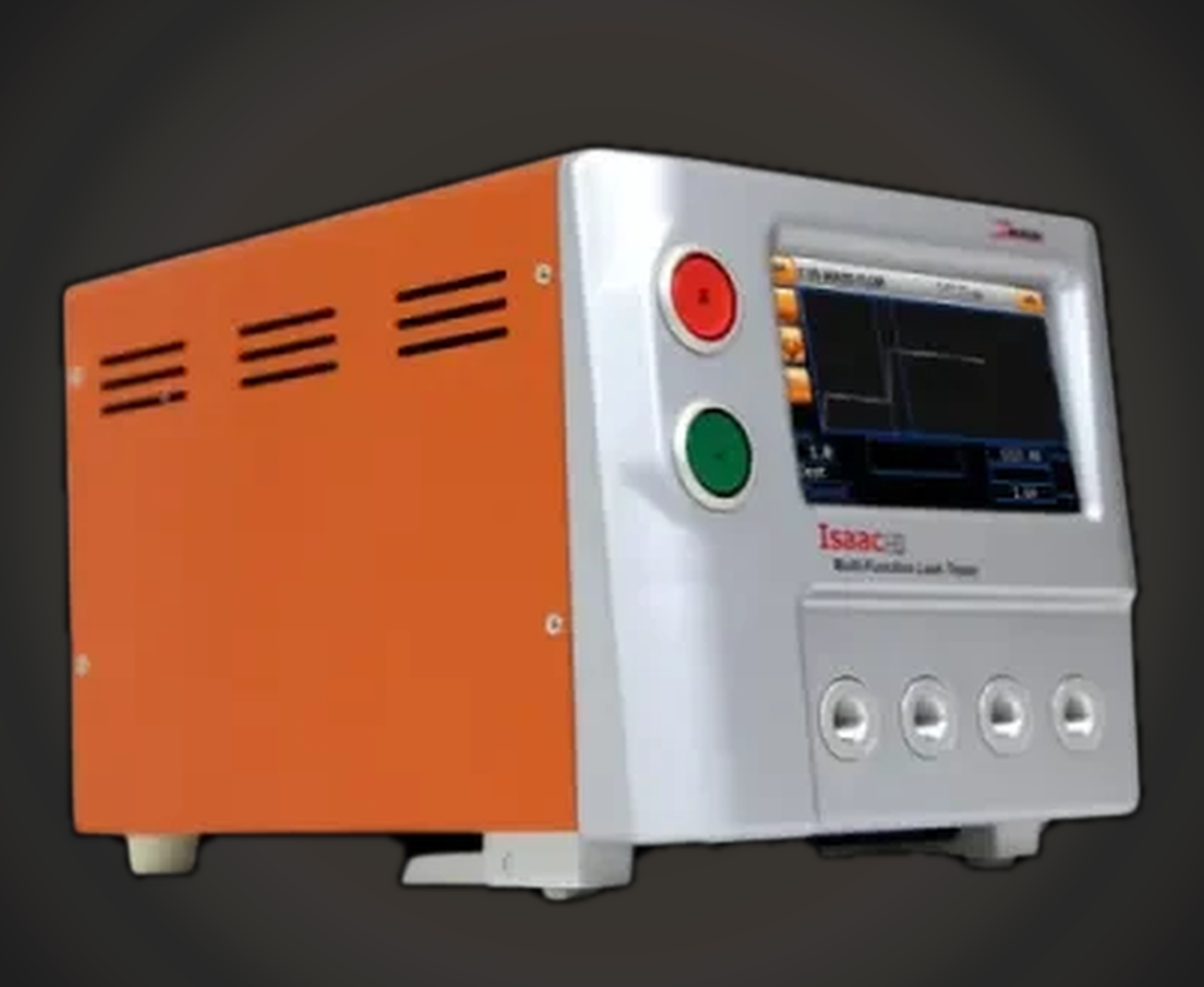 Isaac HDModular multi-tester support for pressure cracking programs.
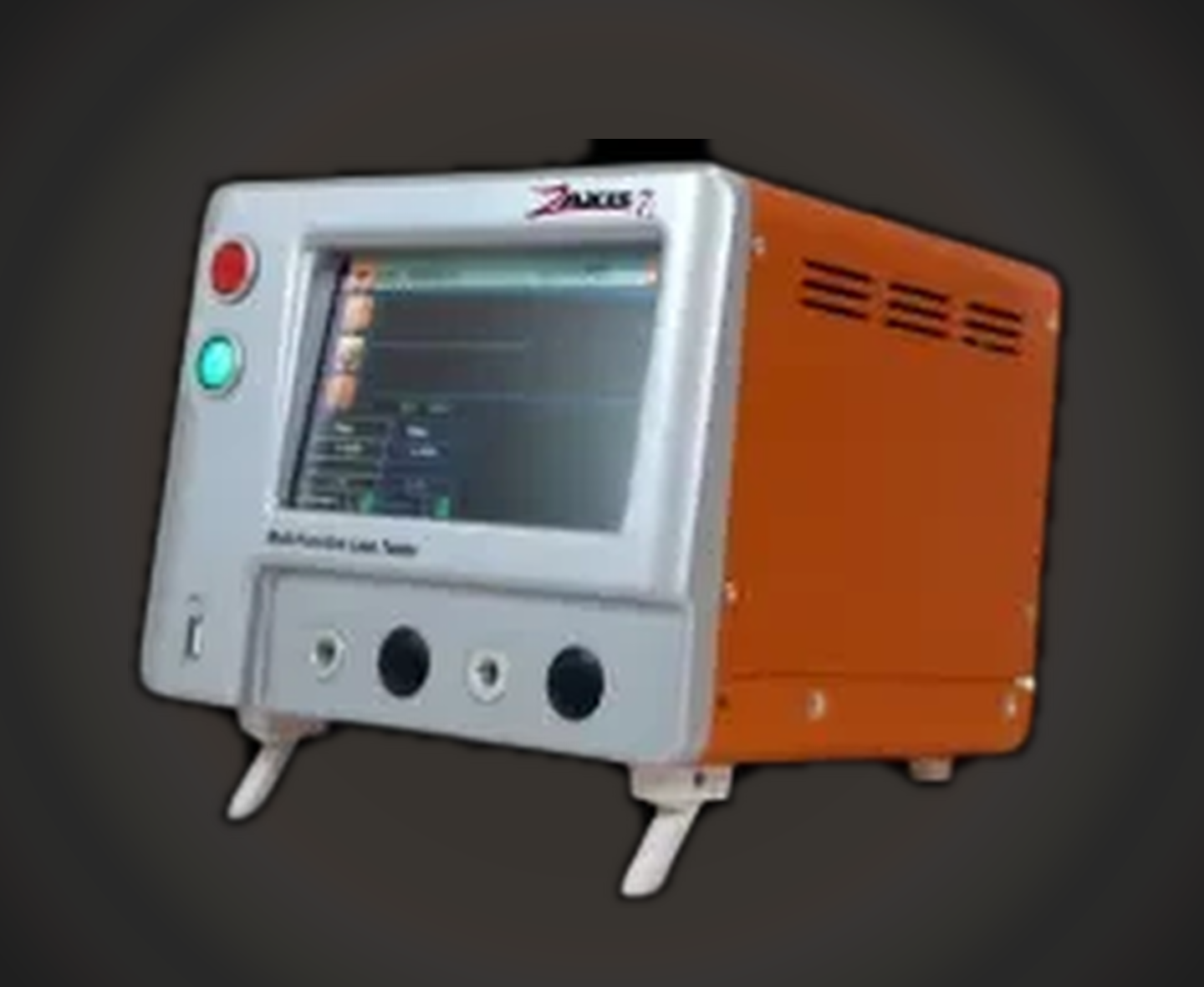 Zaxis 7iLarge display and multi-tester capacity for two-port valve testing.

