CHARGE
Prepare the part and charge it with helium to the programmed test condition.

Helium Leak Test Method
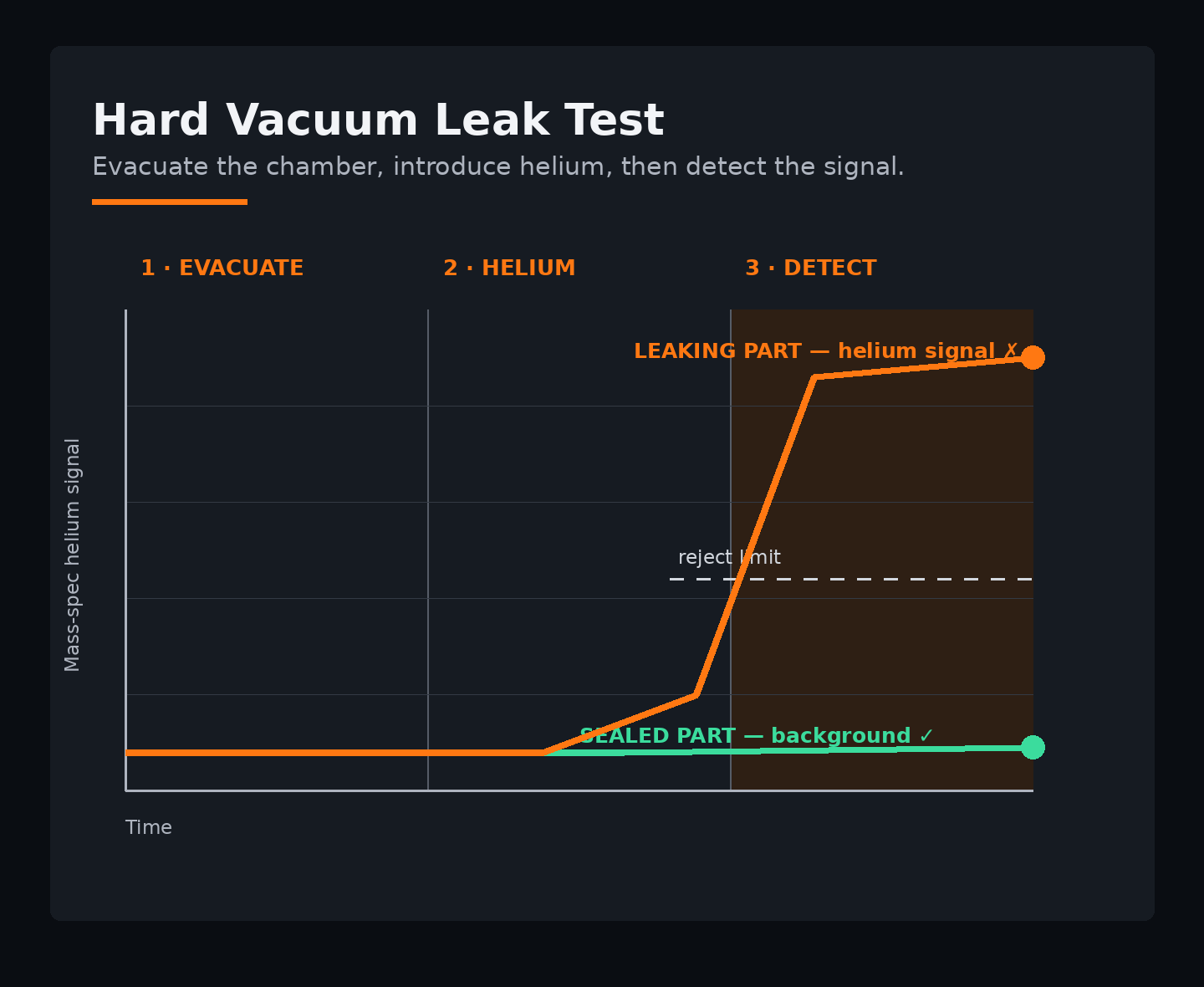
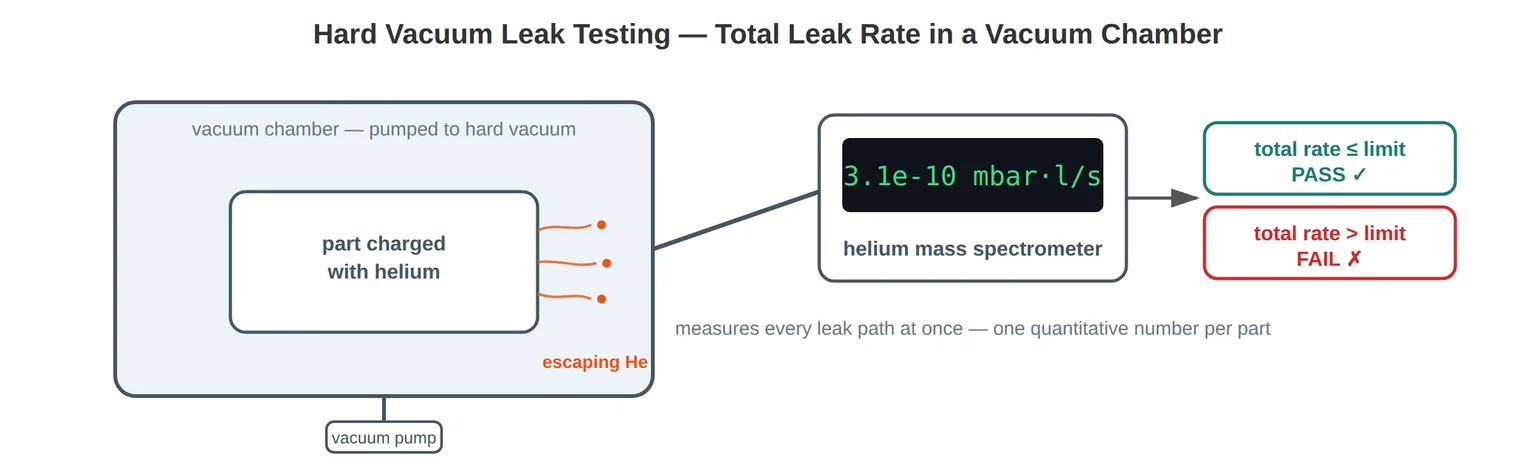
Hard vacuum leak testing charges a part with helium, evacuates its chamber, and measures helium escaping from the part for a quantitative total leak rate.
Hard vacuum leak testing uses a helium mass spectrometer for the highest-sensitivity production leak testing. A helium-charged part is placed in a chamber that vacuum pumps evacuate to a hard vacuum.
A helium-tuned mass spectrometer measures gas escaping through every leak path. The result is the part’s total leak rate, routinely resolving leaks from 10⁻⁹ down to 10⁻¹¹ mbar·l/s.
The clean, low-background vacuum supports fast measurement at extreme sensitivity. The same physics also tests outside-in leaks by spraying helium onto an evacuated part or vacuum system.
Request for QuoteHard vacuum testing measures helium leaving a charged part after the surrounding chamber reaches hard vacuum. It directly detects tracer gas rather than looking for a small pressure change in the part volume.
The chamber captures the response from every leak path at the same time, so the measurement evaluates the sealed part as one system rather than point by point.
The helium-tuned mass spectrometer converts that response into a quantitative total leak rate. Its low-background chamber environment supports routine resolution from 10⁻⁹ down to 10⁻¹¹ mbar·l/s.
The station is configured for the part and its reject limit, then establishes the vacuum condition, measures the detector response and records the production decision.
After the chamber is evacuated, a hard-vacuum test measures gas leaving the charged part rather than a small pressure change in a volume. The helium-tuned mass spectrometer produces a quantitative total leak-rate result from the escaped tracer gas.
The chamber sees every leak path at once, making it useful when a part must be evaluated as one sealed system rather than point by point. A result above the programmed limit identifies a part that does not meet the required hermetic performance.
Repeatable part preparation and chamber conditions make results comparable. A programmed station prepares the part, evacuates the chamber, commands the detector and records the outcome in one sequence.
Prepare the part and charge it with helium to the programmed test condition.
Place the charged part in a chamber and evacuate the chamber to a hard vacuum.
A helium mass spectrometer measures helium escaping from the part.
Compare the total leak-rate signal with the programmed reject limit and record the result.
A part at or below its programmed reject limit passes; a result above the limit fails.
Hard vacuum measures helium leaving a charged part from all leak paths at once, yielding a total leak rate rather than a local measurement.
Low chamber background helps separate a true helium signal from the environment. The detector evaluates the result against the calibrated reject limit for the part.
The cycle combines preparation, chamber evacuation, detector measurement and recording in one coordinated sequence.
The helium mass spectrometer directly measures escaped tracer gas instead of inferring leakage from pressure change.
A single chamber measurement evaluates the sealed system as a whole.
Controlled part preparation and chamber conditions keep results comparable.
The recorded result provides a repeatable decision for every sealed part tested in the chamber.
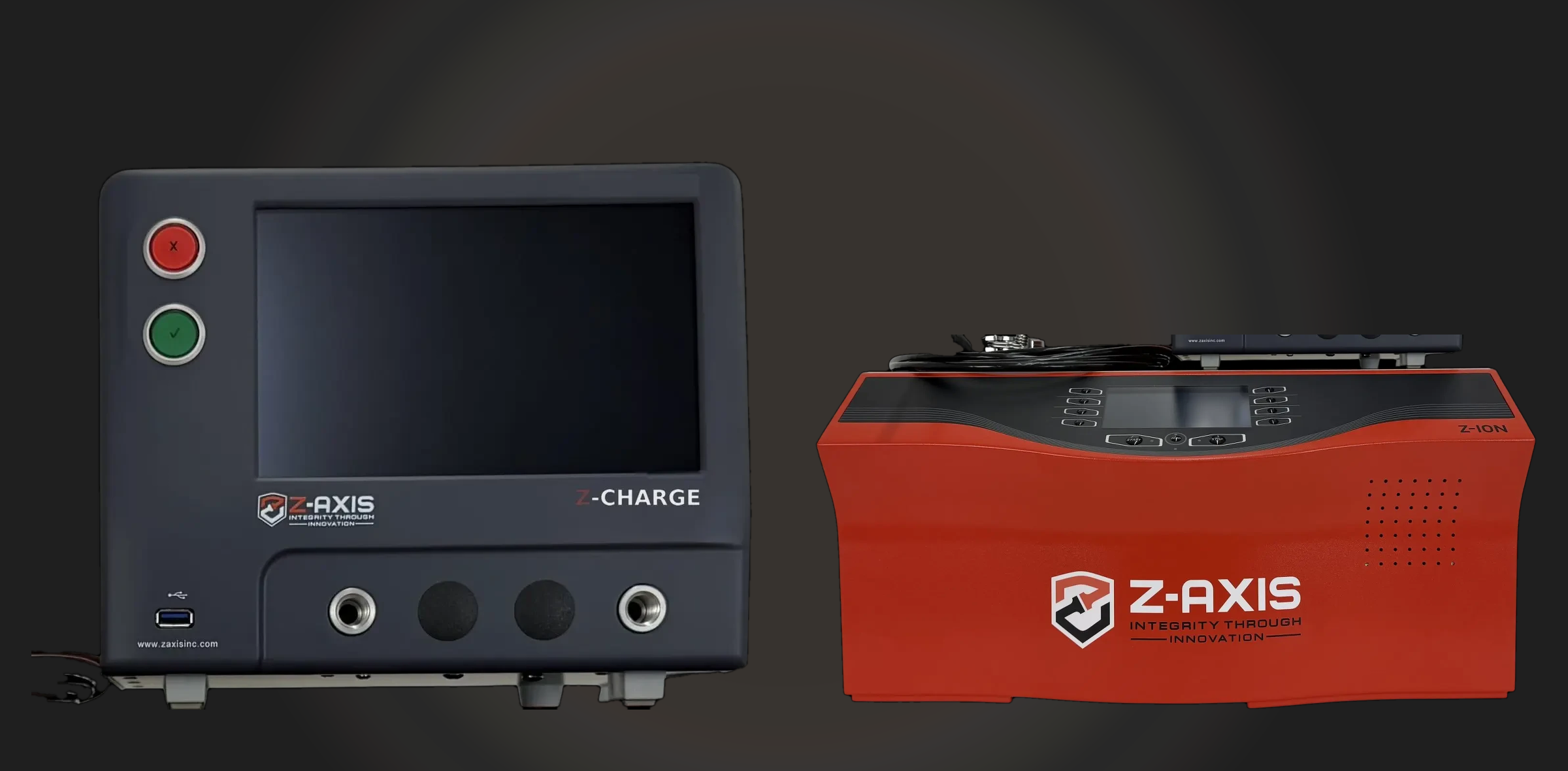
Hard vacuum testing pairs a helium charging system with a mass-spectrometer detector. Z-Charge charges the part; Z-Ion measures the helium signal in the evacuated chamber.
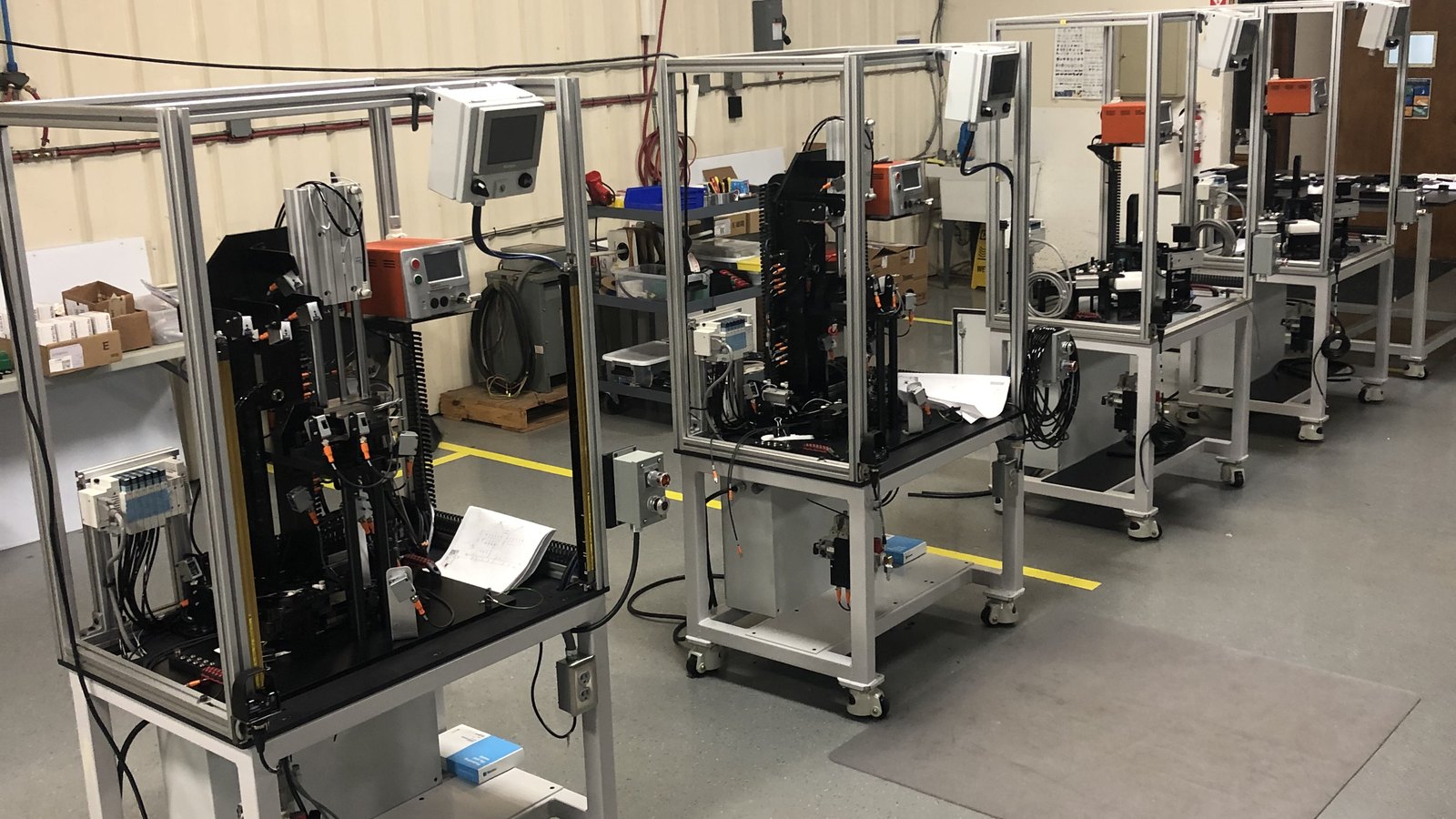
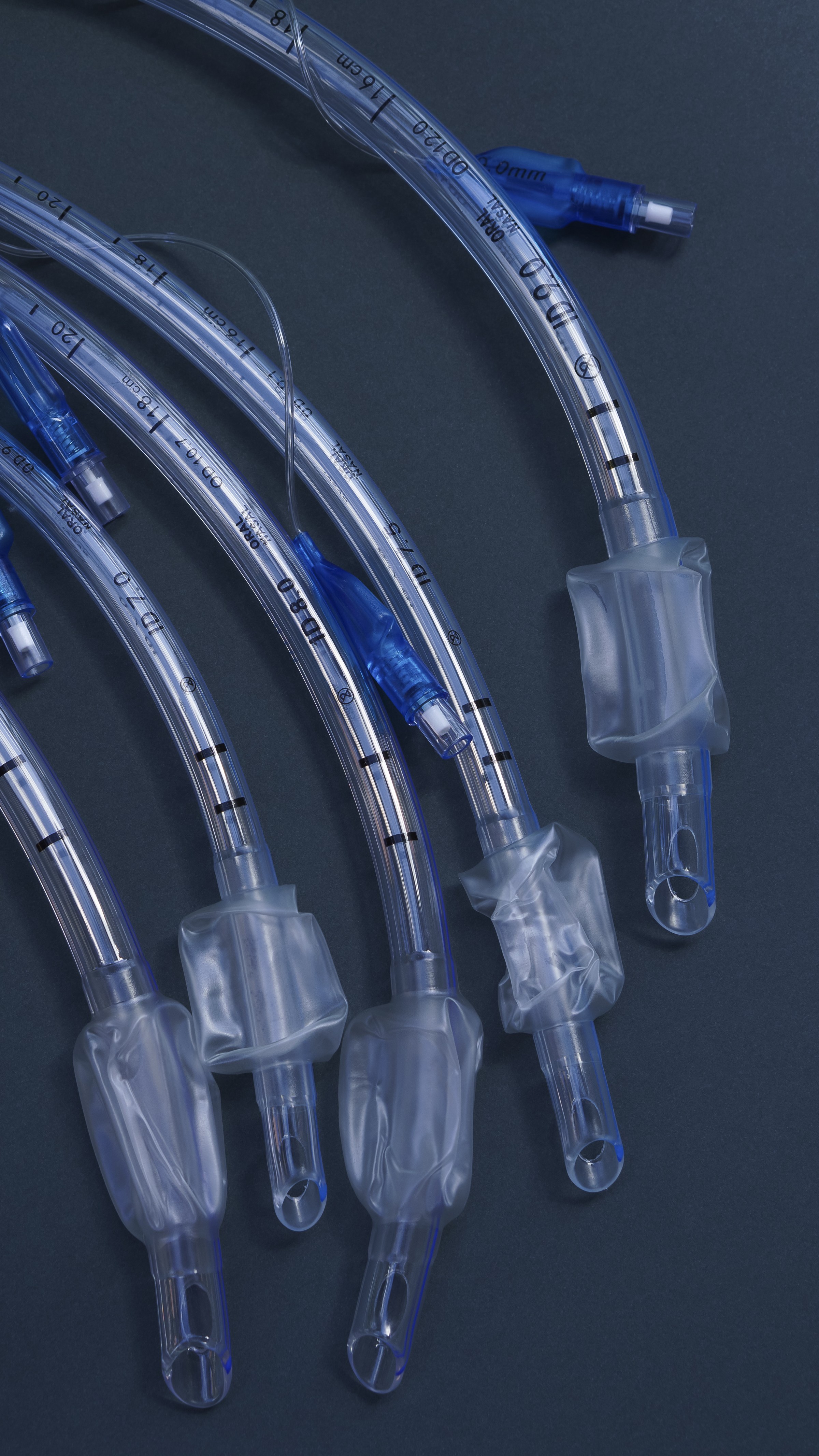
Hermetic and safety-critical medical components can be tested to a quantitative total leak rate.
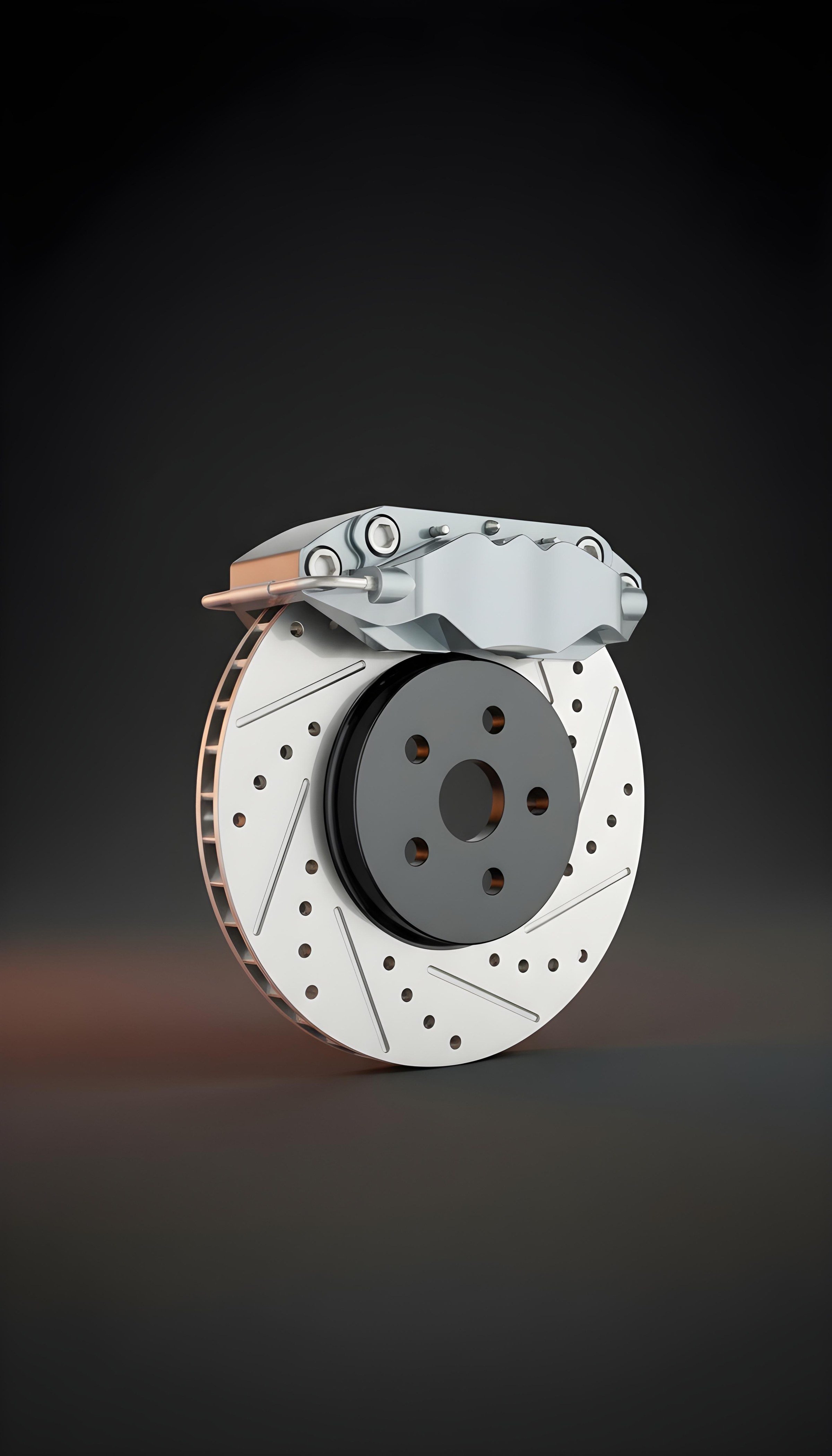
Sealed safety-critical parts can be checked in an automated hard-vacuum cell.
Hermetic assemblies that require high sensitivity can be measured under hard vacuum.
| Method | Non-destructive | Needs an access port | Locates the leak | Typical use |
|---|---|---|---|---|
| Pressure decay | ✓ | ✓ | × | Sealed parts with a port |
| Vacuum decay | ✓ | ✓ | × | Parts and packaging |
| Mass flow | ✓ | ✓ | × | Flow-rate limits |
| Occlusion | ✓ | ✓ | × | Blocked passages |
| Burst | × | ✓ | × | Failure pressure |
| Pressure cracking | ✓ | ✓ | × | Valve opening pressure |
| Chamber | ✓ | × | × | Sealed parts, no port |
| Sniffing | ✓ | ✓ | ✓ | Finding the leak site |
| Hard vacuum | ✓ | ✓ | × | Hermetic, safety-critical parts |
| Accumulation | ✓ | ✓ | × | Large parts, total leak rate |
| Bombing | ✓ | × | × | Sealed parts, no fill port |
| Differential pressure | ✓ | ✓ | × | Large volumes, low leak rates |
| Trace gas | ✓ | ✓ | ✓ | Very small leaks, quantified |
A part is charged with helium, the surrounding chamber is evacuated, and a mass spectrometer measures escaping helium.
It routinely resolves leaks from 10⁻⁹ down to 10⁻¹¹ mbar·l/s.
It is the total leak rate from all leak paths measured at once.
No. It produces a total leak-rate result; sniffing is used to identify the physical leak site.
The clean vacuum chamber has very low background, helping separate escaping helium from the environment.
Yes. An evacuated part or vacuum system can be sprayed with helium to find leaks in vacuum equipment.
Hermetic and safety-critical parts that require maximum production sensitivity are a fit.
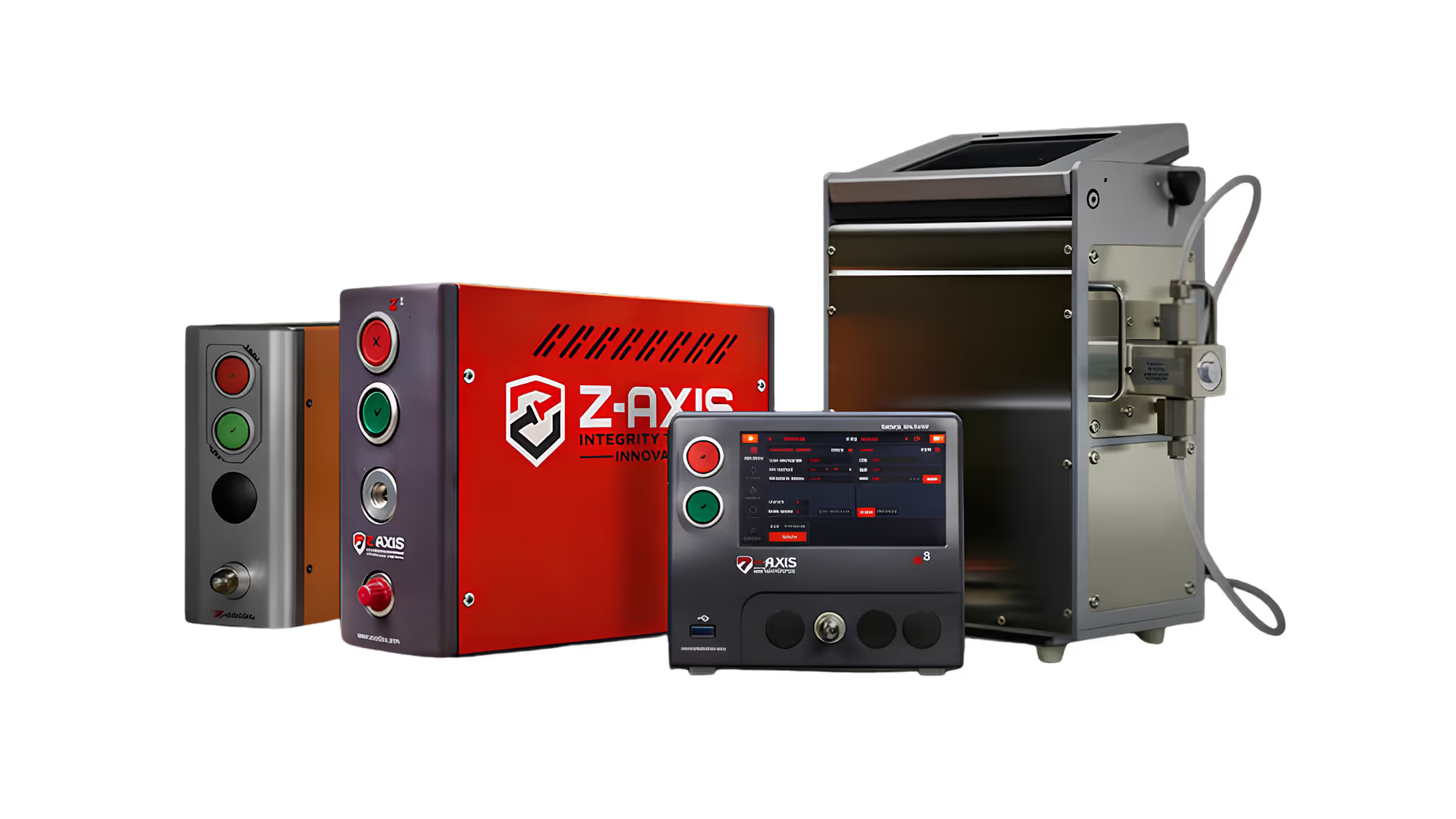
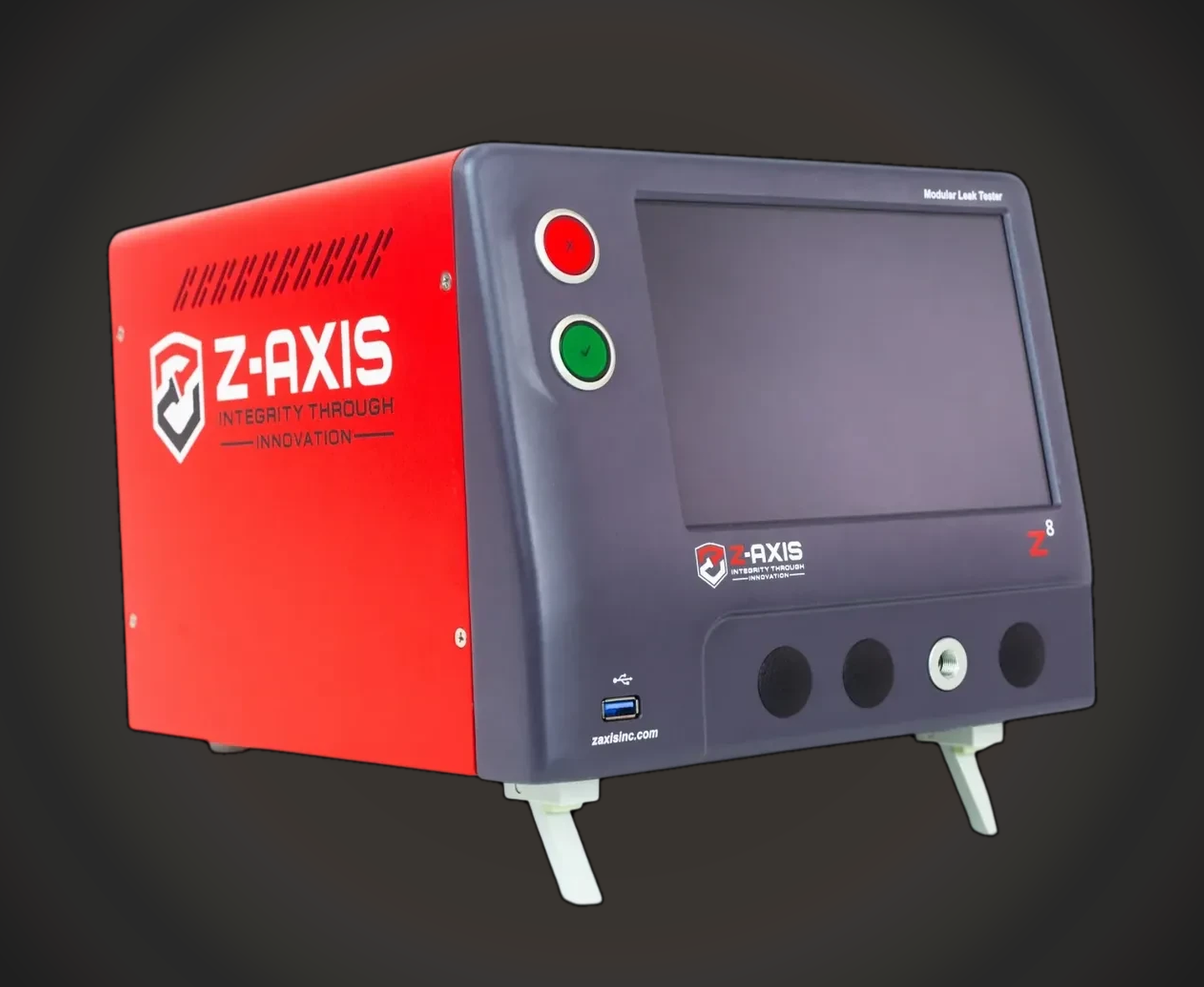 Z8An 8-inch modular platform for programmed leak-test sequences and recorded results.