

Leak Test Methods
Leak Test Methods
Leak test methods measure pressure, flow, vacuum, tracer gas or a controlled failure to match a part and its reject limit.
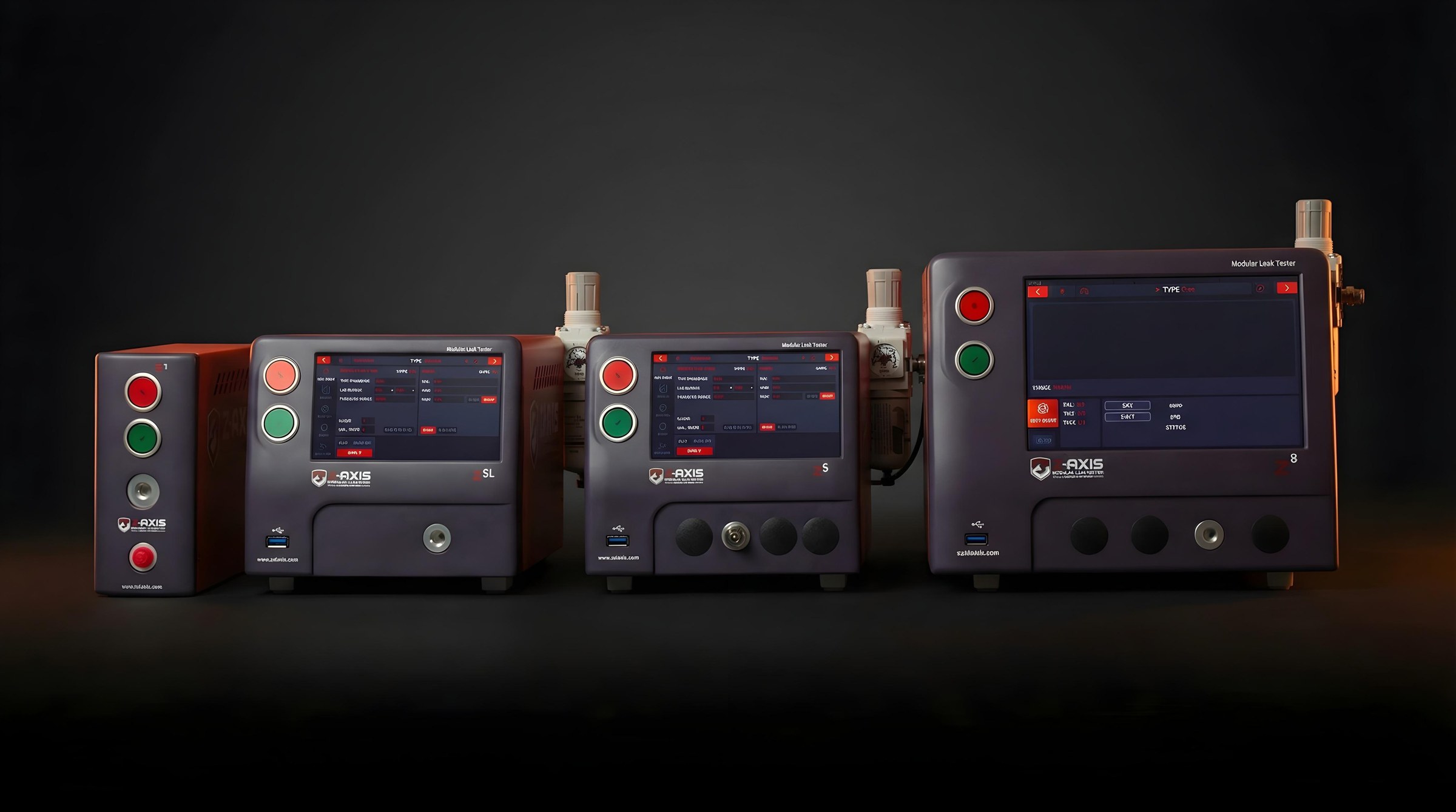
Choose a method around part access, leak-rate requirement and whether the test must locate a leak. Zaxis testers support air and trace-gas methods for production leak testing.
Air leak detection is pivotal in manufacturing because it supports product quality and compliance. Manufacturers and original equipment manufacturers use destructive and non-destructive methods to meet part specifications and regulatory requirements in complex industries.
For more than 25 years, Zaxis has designed and manufactured air leak test solutions for automation production lines. Compact equipment, small internal volumes, integrated sensors and a 32-bit analog-to-digital converter support sensitive, repeatable results in a dynamic manufacturing environment. The cards below pair each method’s graph with the practical description used to select it.
Request for QuoteCompare leak test methods
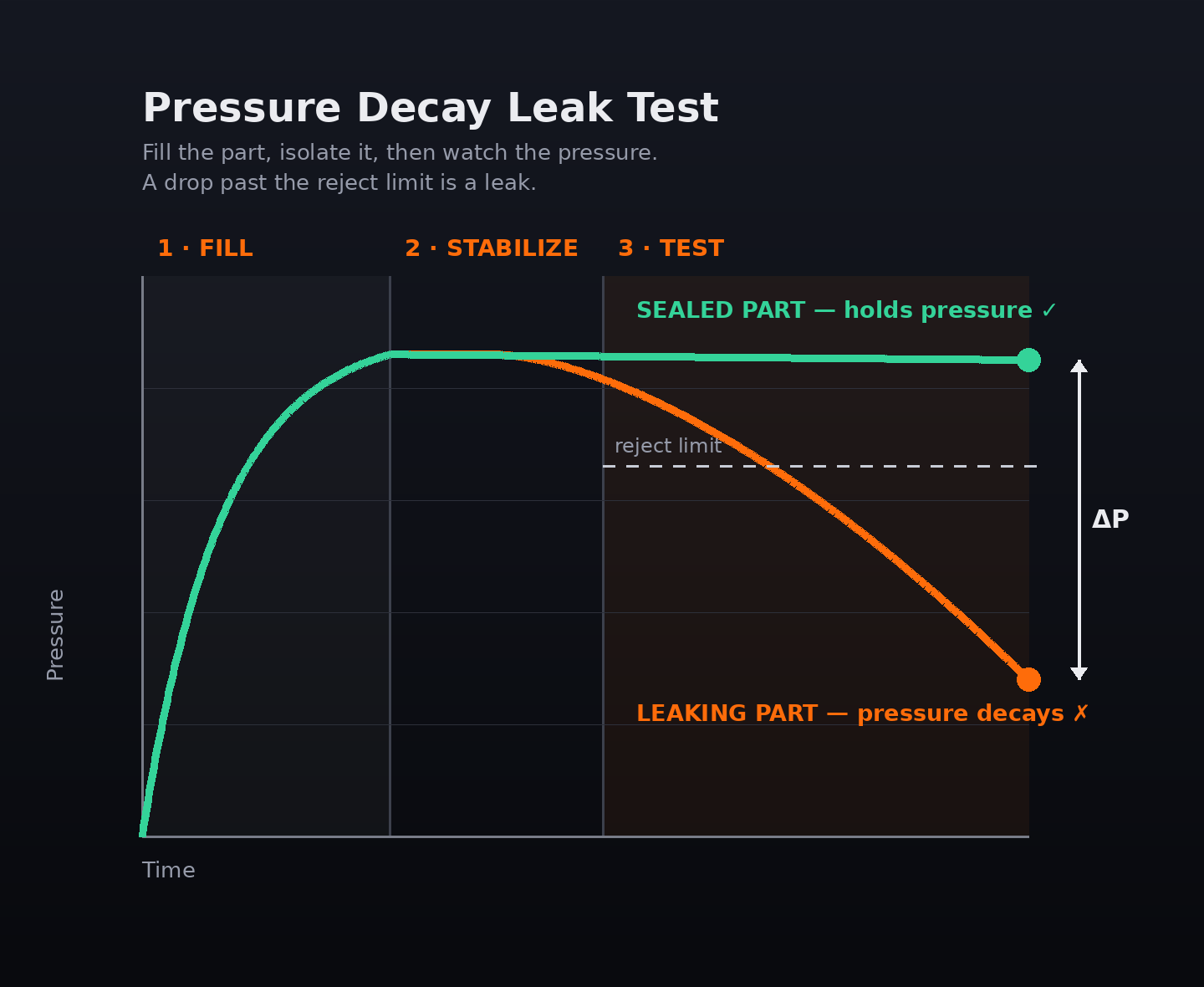 Pressure decayPressure decay is one of the most widely used manufacturing methods and is ideal for a sealed component with an access port.
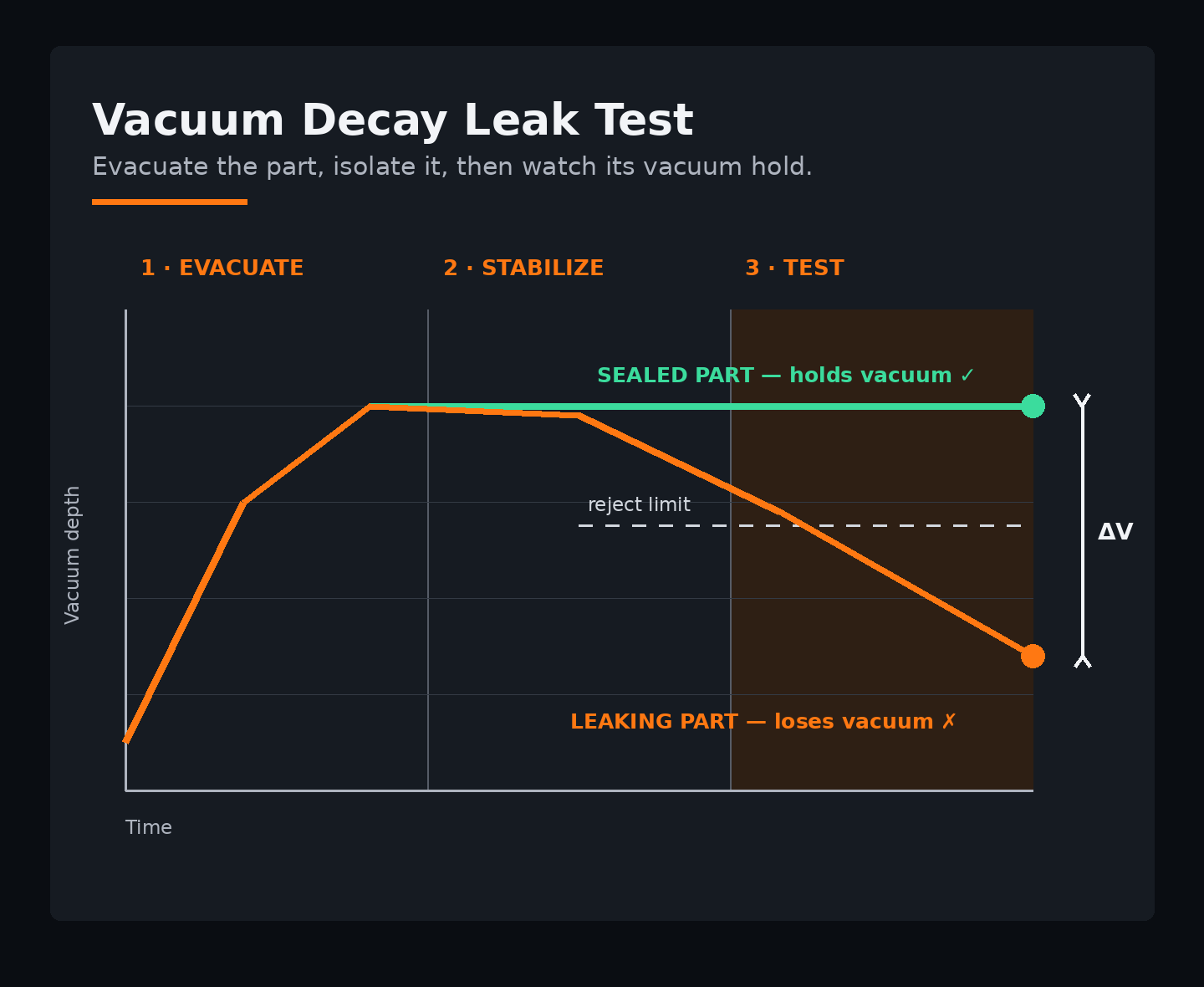 Vacuum decayVacuum decay determines leaks by monitoring pressure changes in a vacuum-sealed system.
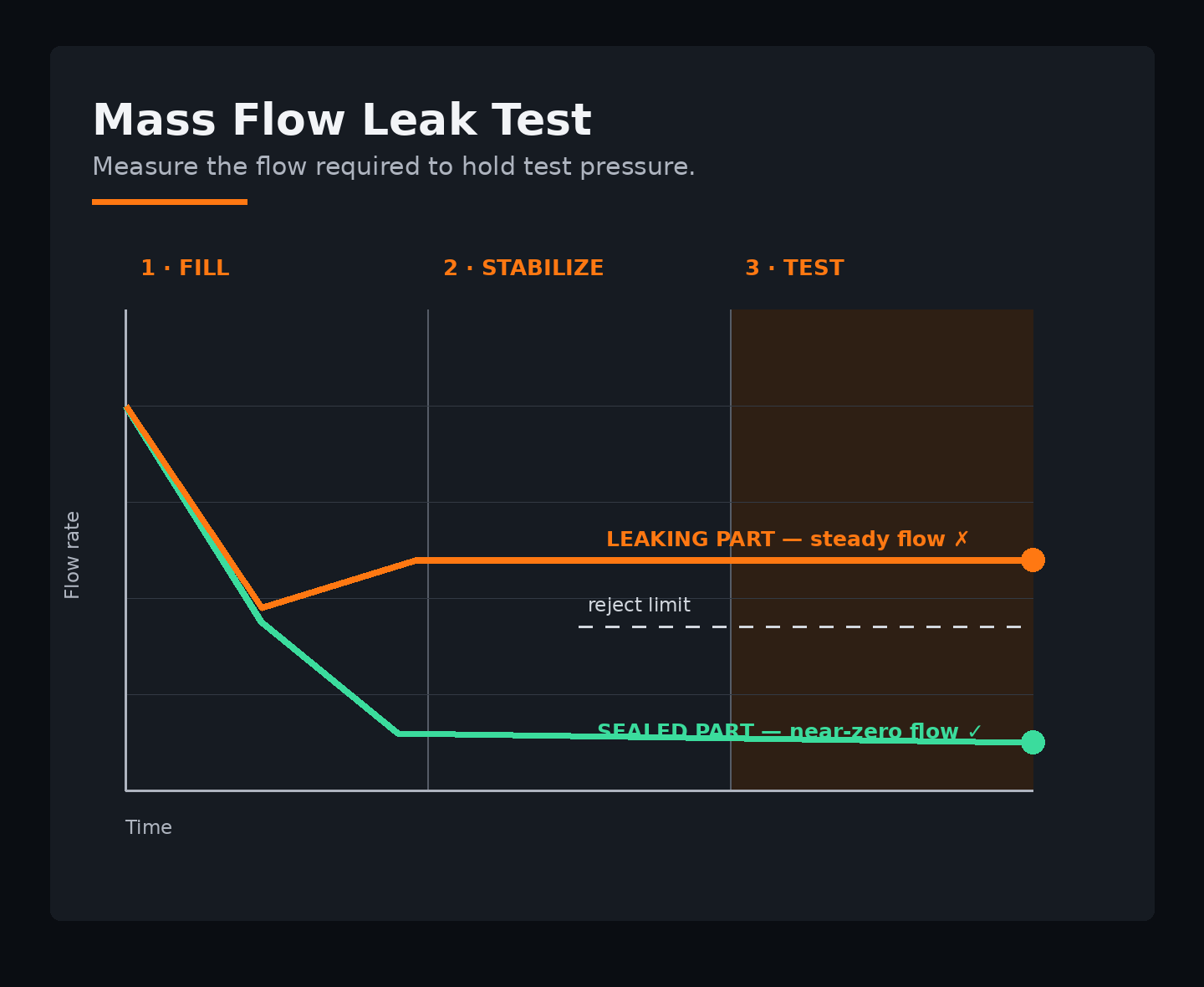 Mass flowMass flow tests efficiently measure flow rates through objects by attaching a test object to the front port of an Isaac HD and pressurizing it.
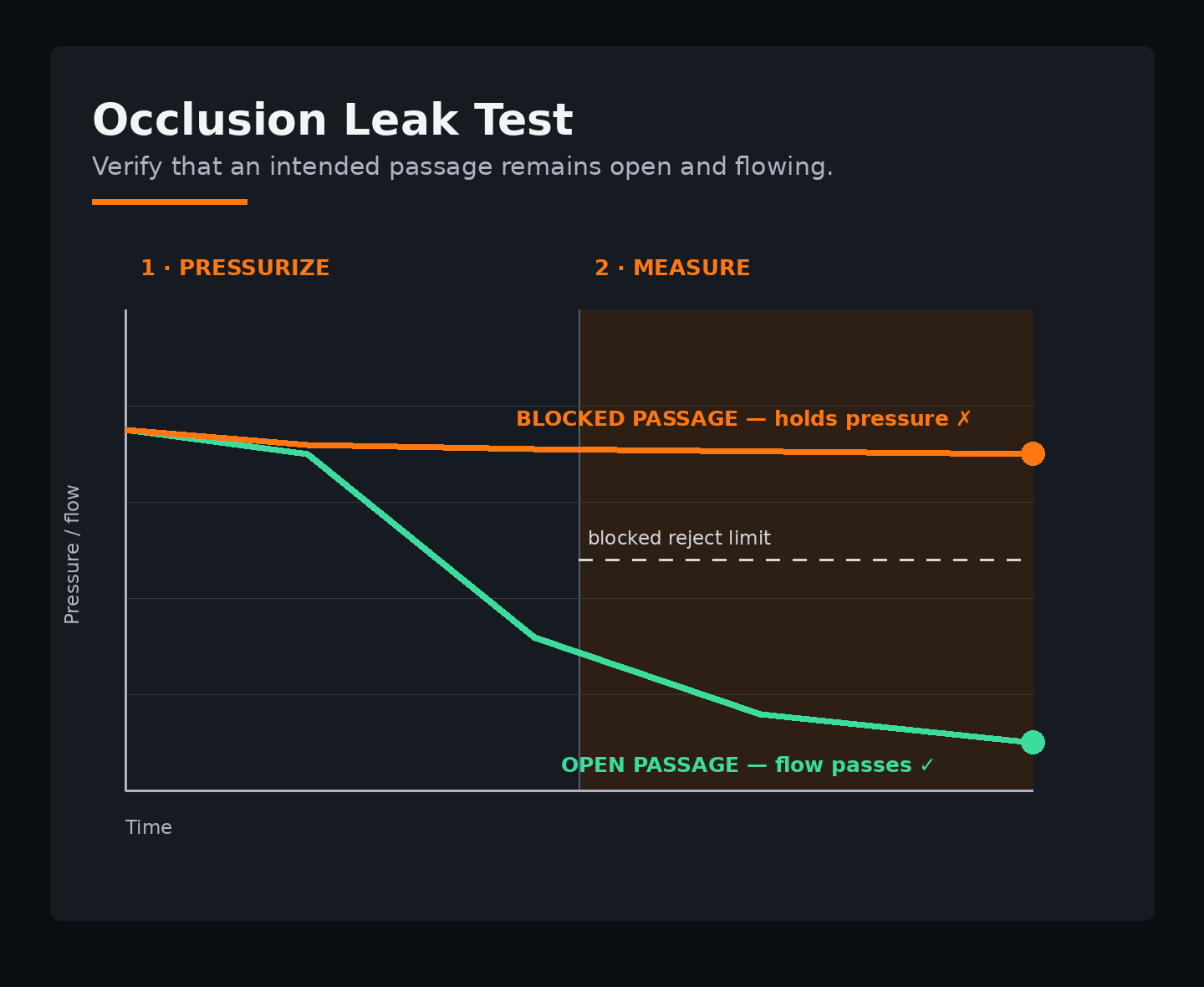 OcclusionOcclusion measures the passage of air through an object and shows whether that passage is clear or blocked.
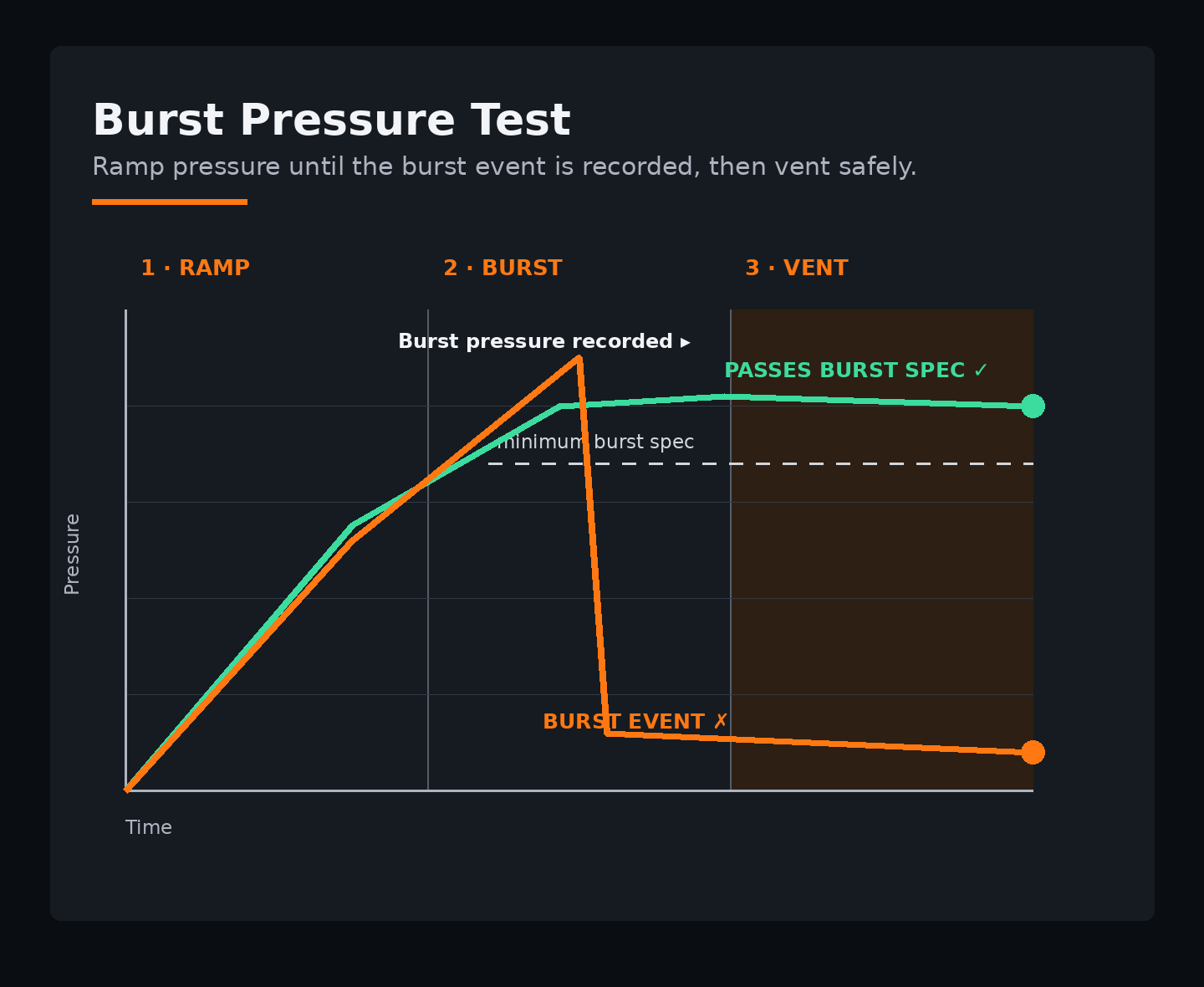 BurstA burst test is a destructive pressure test that measures the maximum pressure at which an object catastrophically fails during regulated-air pressurization.
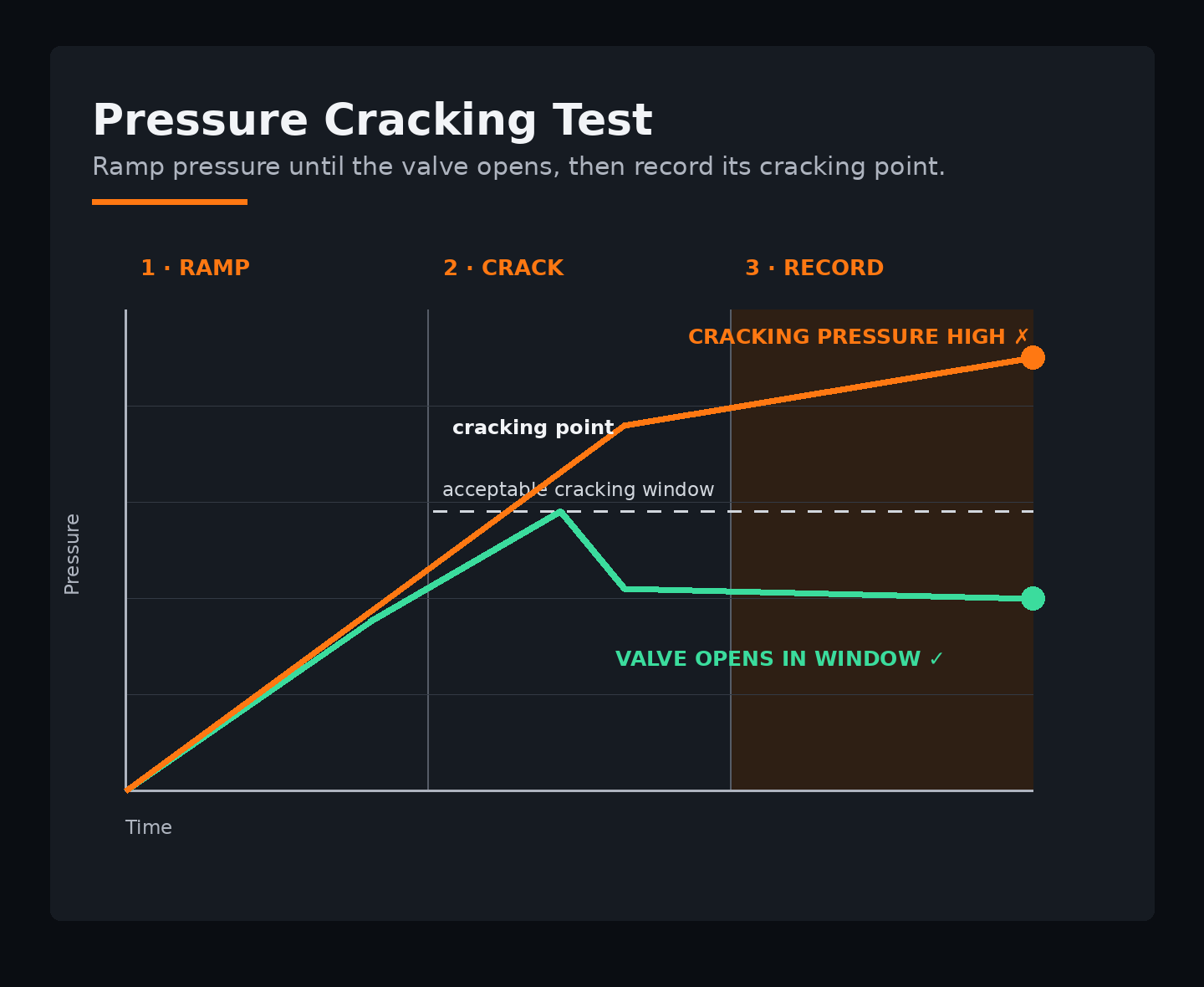 Pressure crackingA crack test finds the opening pressure of a check valve or similar item; like a burst test, it detects an event such as a valve opening.
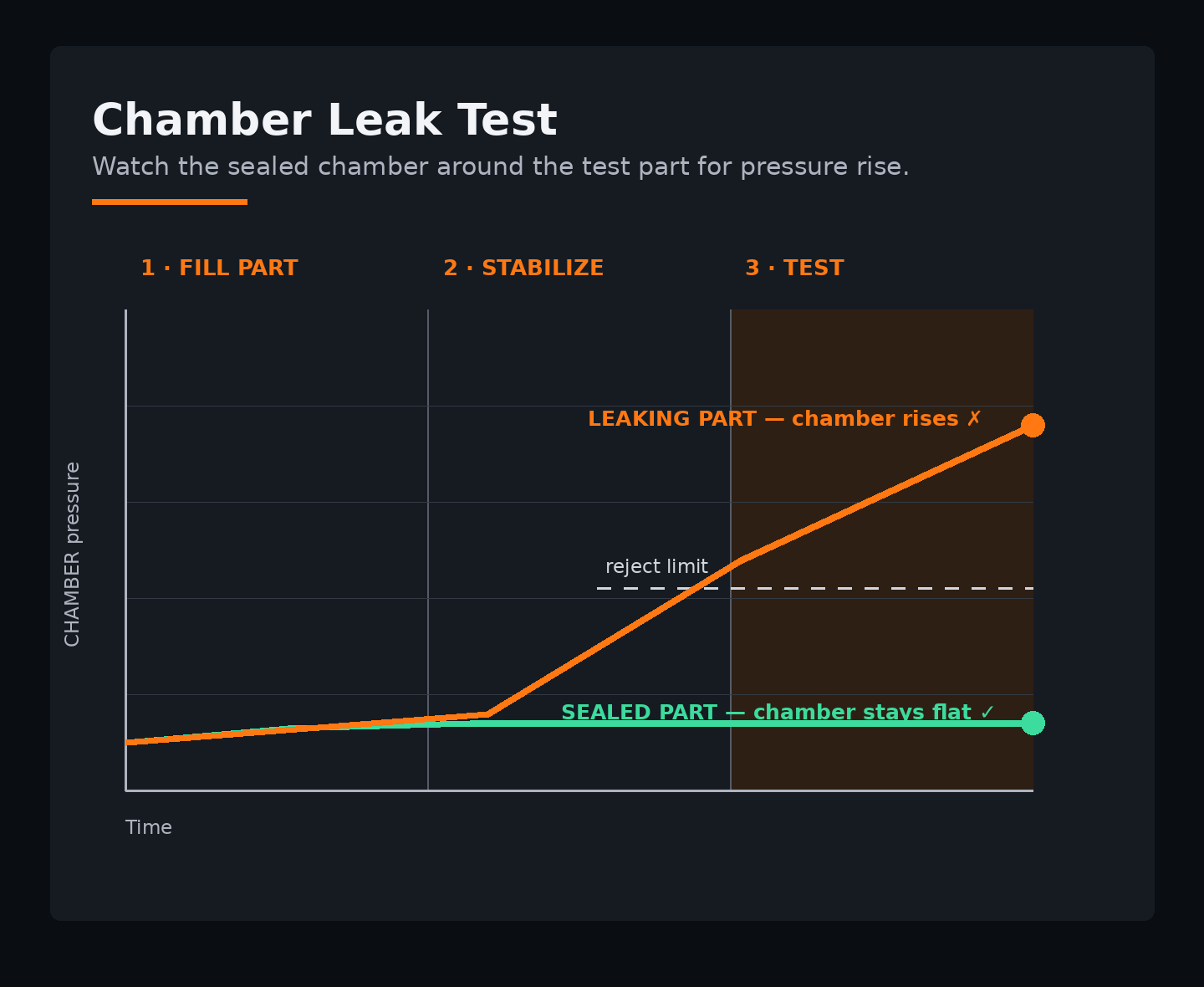 ChamberA chamber test finds leaks in sealed packaging or devices that lack accessible openings for conventional testing.
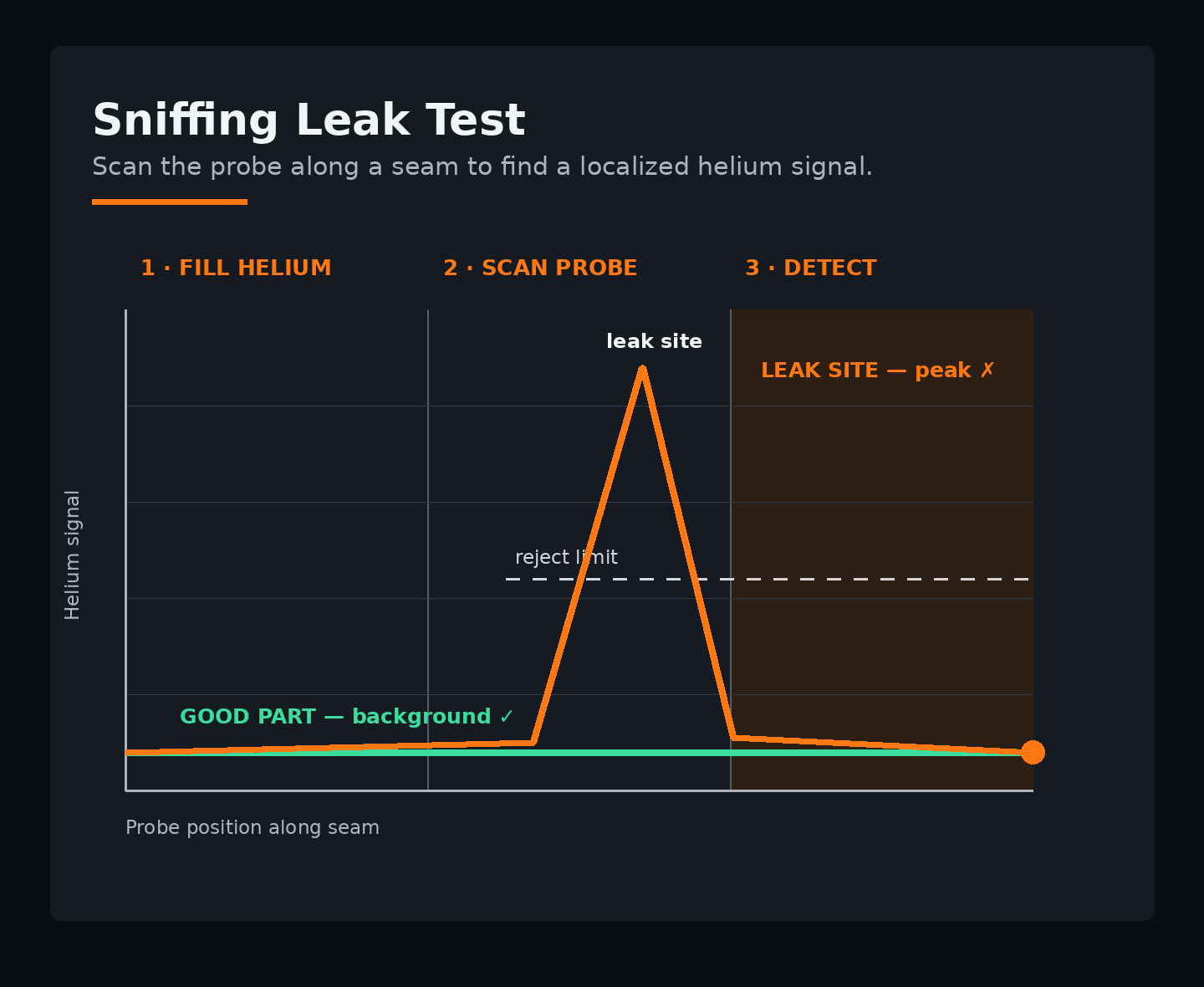 SniffingSniffing uses trace gas and a probe to locate a leak site along a seam or connection.
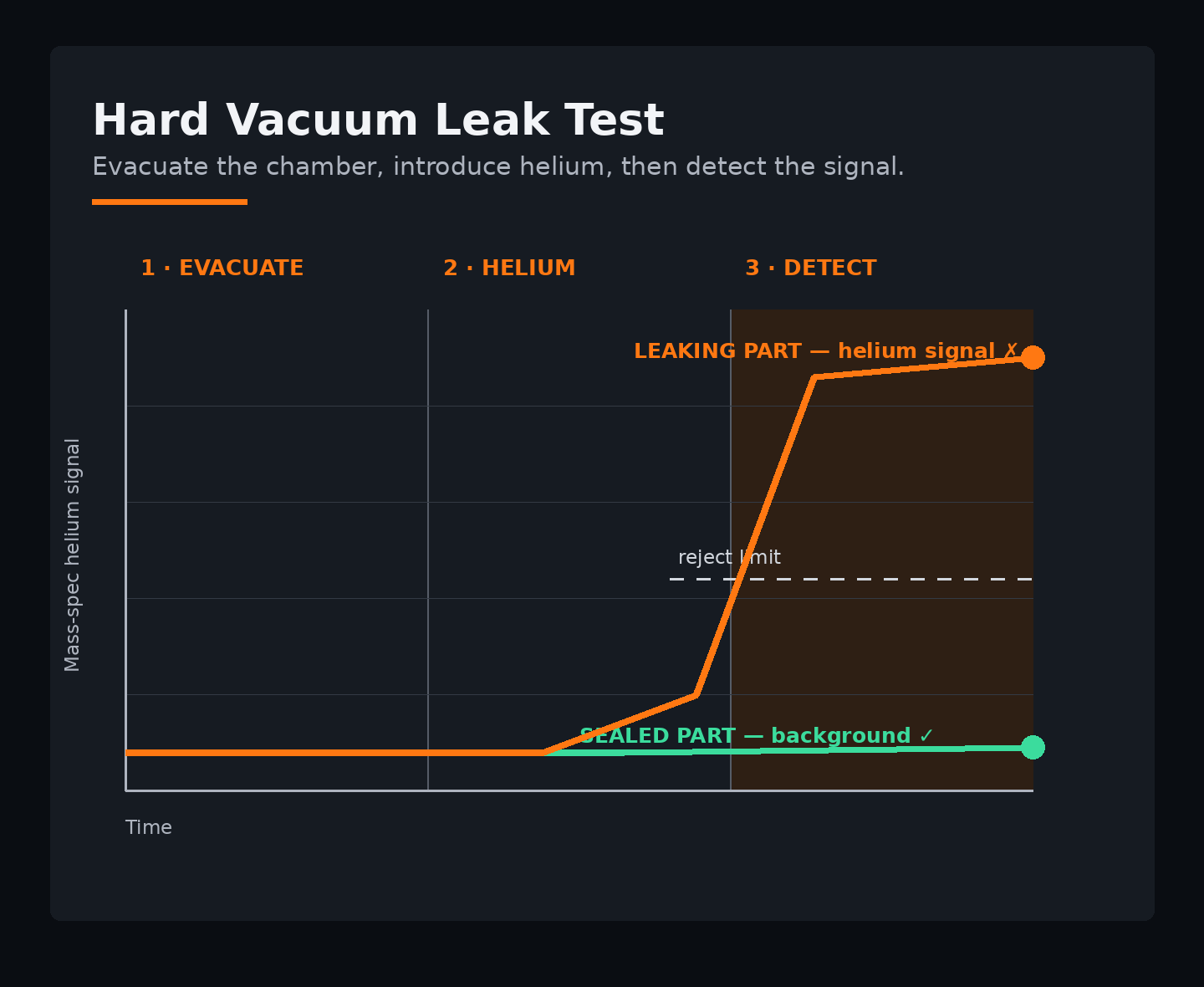 Hard vacuumHard-vacuum testing uses a mass spectrometer and helium to detect very small leaks.
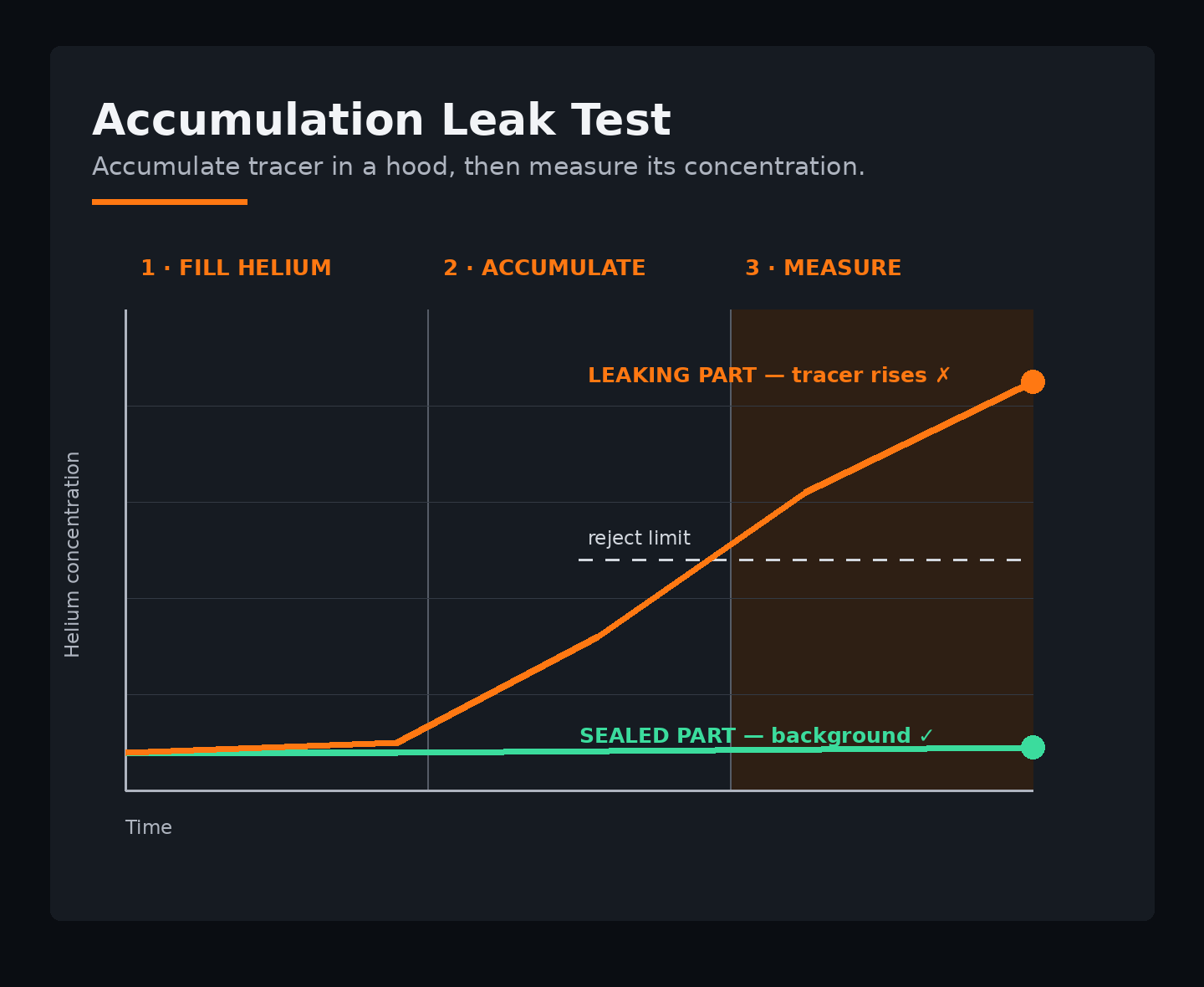 AccumulationAccumulation collects tracer gas released from a part and measures the concentration around it.
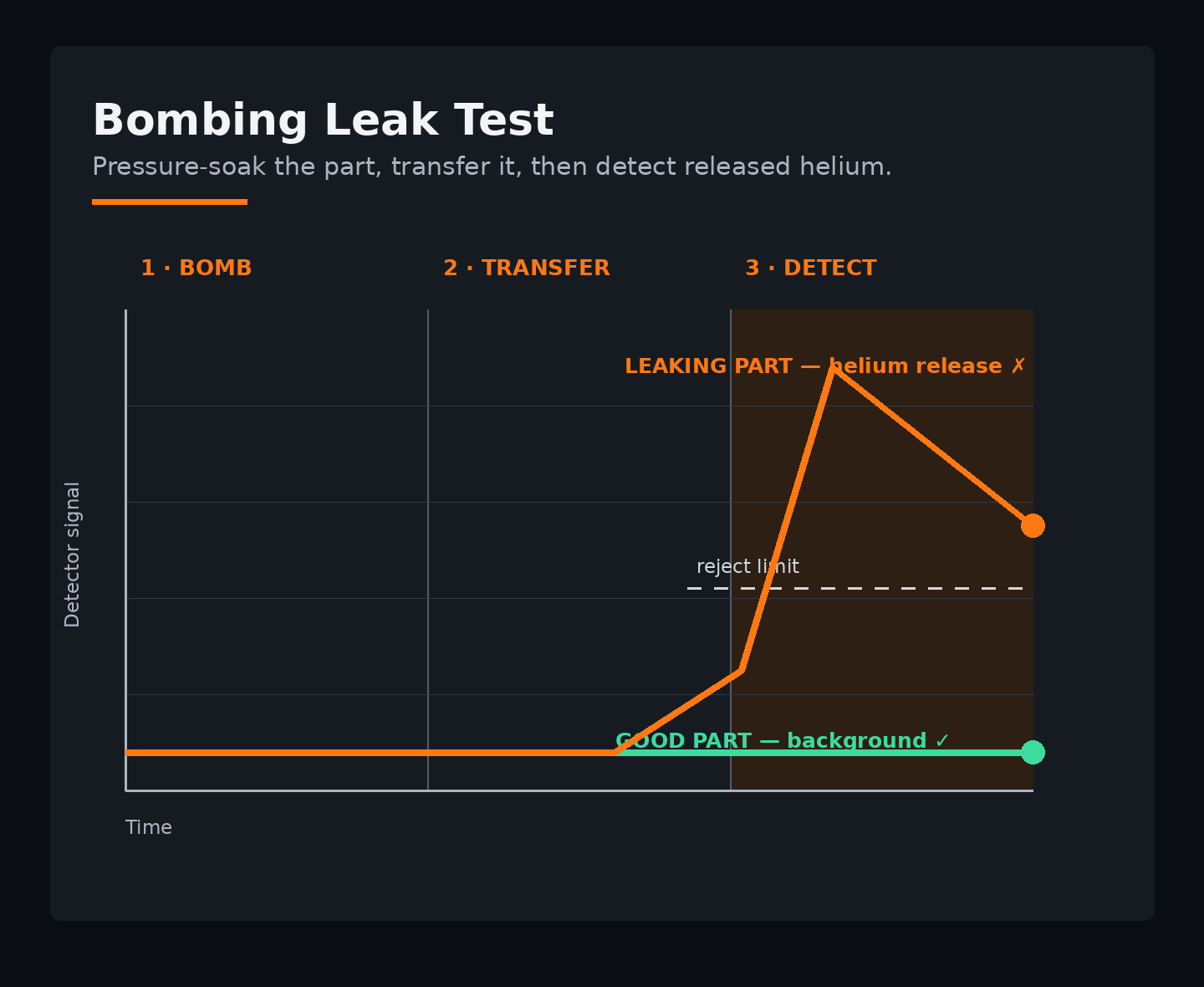 BombingBombing pressure-soaks a sealed component with helium, then detects gas released from a leak during measurement.
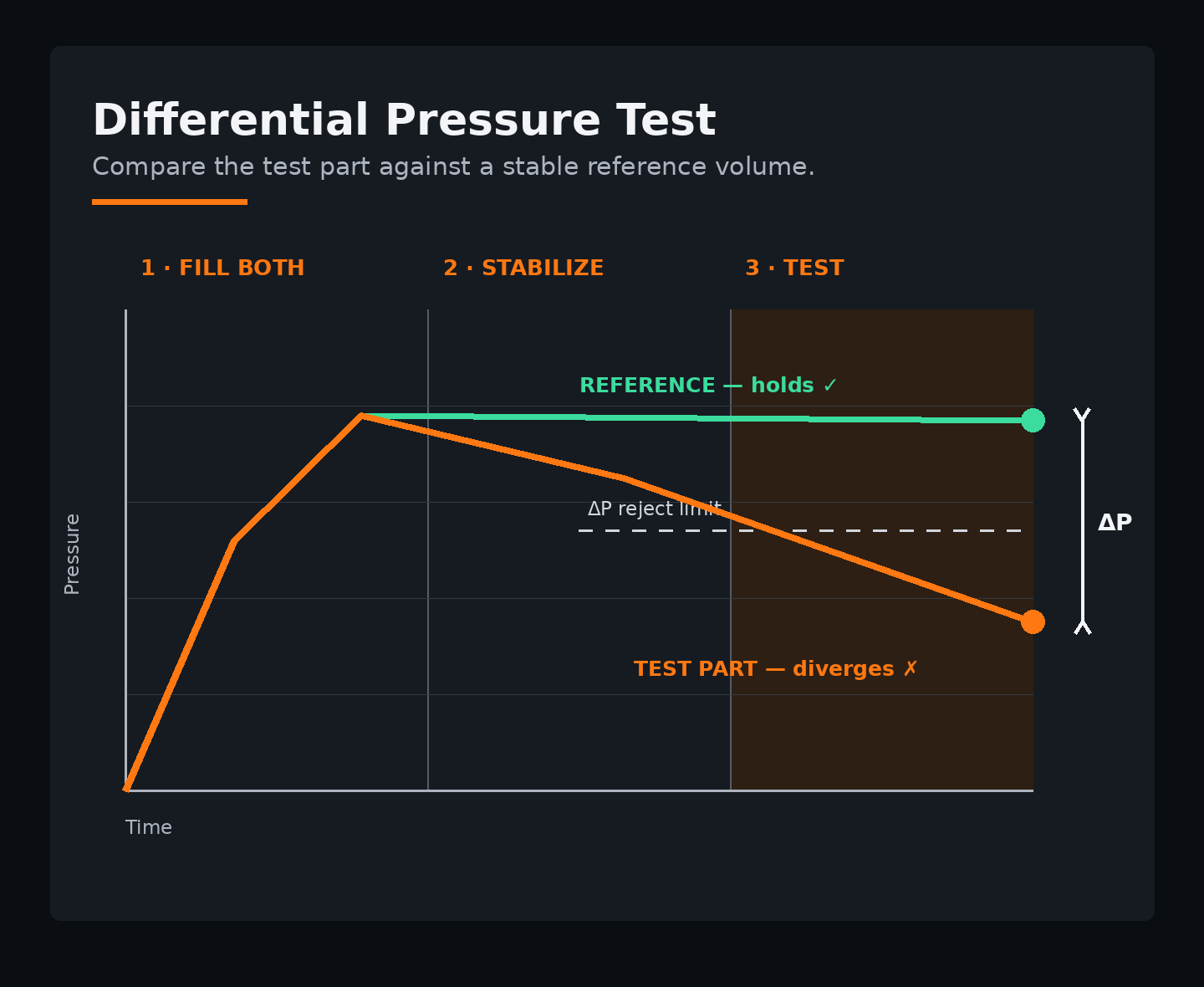 Differential pressureDifferential-pressure testing compares a test part with a reference volume and measures their pressure difference.
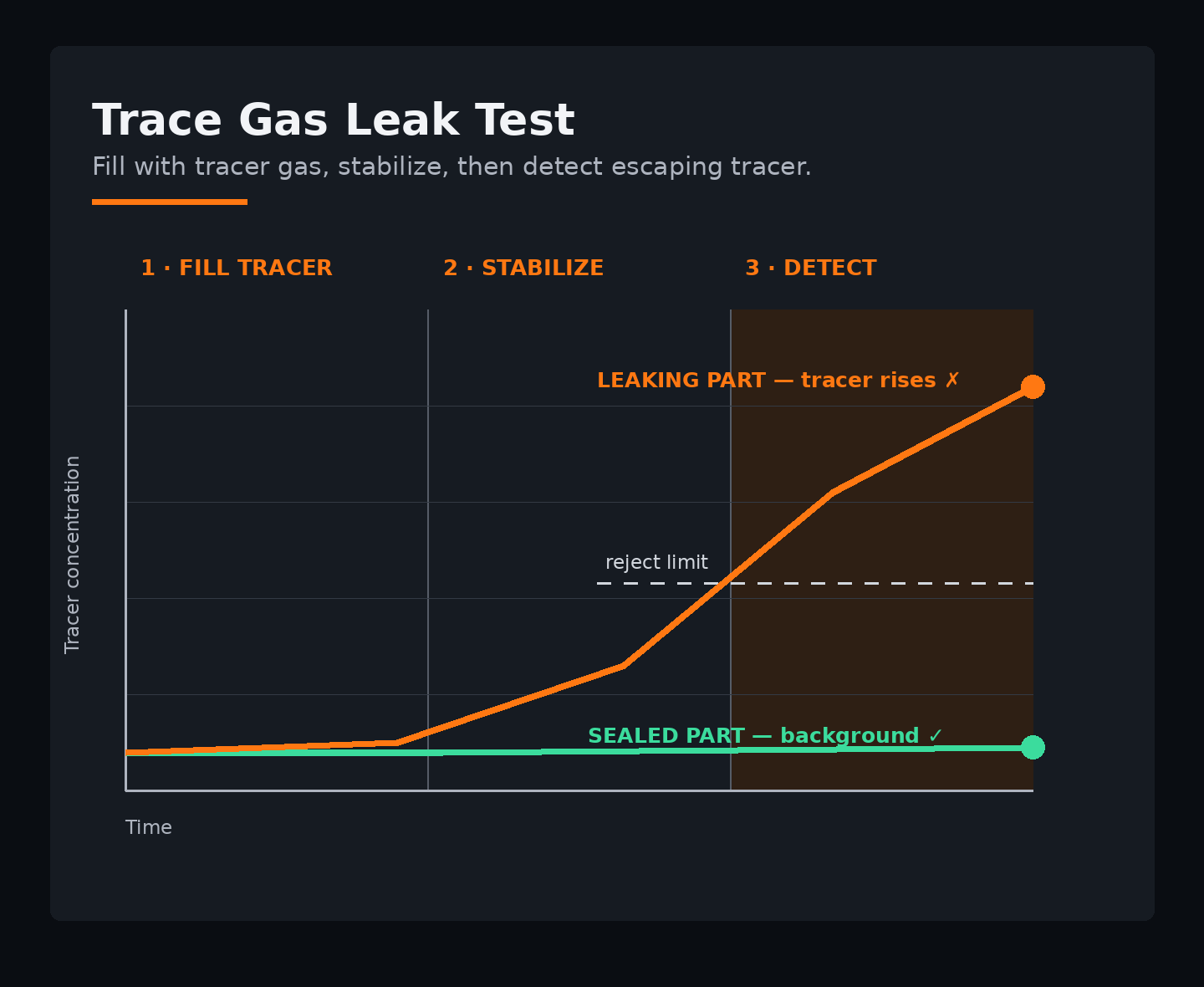 Trace gasTrace-gas testing fills a part with a tracer and detects gas escaping from a leak.
Method comparison
| Method | Non-destructive | Needs an access port | Locates the leak | Typical use |
|---|---|---|---|---|
| Pressure decay | ✓ | ✓ | × | Sealed parts with a port |
| Vacuum decay | ✓ | ✓ | × | Vacuum-sealed parts and packaging |
| Mass flow | ✓ | ✓ | × | Flow-rate limits |
| Occlusion | ✓ | ✓ | × | Blocked passages |
| Burst | × | ✓ | × | Failure pressure |
| Pressure cracking | ✓ | ✓ | × | Valve opening pressure |
| Chamber | ✓ | × | × | Sealed parts, no port |
| Sniffing | ✓ | ✓ | ✓ | Finding the leak site |
| Hard vacuum | ✓ | ✓ | × | Hermetic, safety-critical parts |
| Accumulation | ✓ | ✓ | × | Large parts, total leak rate |
| Bombing | ✓ | × | × | Sealed parts, no fill port |
| Differential pressure | ✓ | ✓ | × | Large volumes, low leak rates |
| Trace gas | ✓ | ✓ | ✓ | Very small leaks, quantified |
Major types of air leak detection test types
Air leak tests verify product integrity and performance by finding leaks caused by holes, cracks or defective seals. Each method serves a distinct purpose, letting a manufacturer select the test around the part design, materials and desired sensitivity.
Pressure decay observes pressure changes in a sealed system. Vacuum decay monitors pressure in a vacuum-sealed system. Occlusion assesses flow through an object or venturi, while mass flow quantifies gas or liquid flow.
Pressure cracking determines the pressure at which a hydraulic valve or similar product begins operation. Burst pressure testing exceeds a pressure threshold to make a product fail. Chamber testing examines a product or system in a controlled chamber environment.
Why air leak tests matter in manufacturing
Effective air leak detection supports product reliability, compliance, safety and public reputation. Manufacturers and OEMs use these tests to maintain high-quality standards and prevent failures or malfunctions in production.
Incorporating the right test into a manufacturing process helps maintain product integrity and reliability while meeting industry standards and regulations. Zaxis supports the selection of a test method and equipment for a production line.
Air leak test equipment support
Zaxis works from initial questions through after-sales support to help meet each production specification. Requesting a quote provides pricing details, turn-around estimates and information specific to an order.
Frequently asked questions
How do manufacturers select an air leak test type?
Selection depends on part design, material, available access, sensitivity and the production requirement.
What makes an industrial leak tester sensitive?
Compact internal volumes, integrated sensors and a 32-bit analog-to-digital converter support sensitive measurement.
When should a manufacturer use a chamber leak test?
Use a chamber test for sealed packaging or devices without accessible openings for a conventional connection.
Can a burst test be used for production evaluation?
A burst test measures the pressure at catastrophic failure, so it is a destructive test method.
Which test checks a valve opening pressure?
Pressure cracking detects the opening pressure of a check valve or similar component.
How does VM3 perform pressure decay testing?
The VM3 uses volumetric air leak testing techniques for pressure decay testing without an external air supply.
Ready to Ensure Product Integrity ?
Request for Quote
Compare methods side by side in the leak test method chooser, or review the pressure-decay buyer’s guide.

